English

Mobile:+86-311-8081-2683
Email:info@ydcastings.com
English
Feb . 14, 2025 17:34
Back to list
impeller
Centrifugal compressors play a pivotal role in various industries, from oil and gas to HVAC systems. At the heart of these machines is the impeller, a critical component that significantly impacts performance and efficiency. Different types of centrifugal compressor impellers are designed to accommodate a range of applications, each with its own unique features and benefits.
Material selection for centrifugal compressor impellers is another crucial aspect to consider. Impellers can be manufactured from a variety of materials, including aluminum, stainless steel, and titanium. Each material offers different strengths and weaknesses. For instance, aluminum is lightweight and cost-effective but may not provide the same level of durability as stainless steel. In contrast, titanium offers excellent strength-to-weight ratio and corrosion resistance, making it ideal for offshore and challenging chemical environments, albeit at a higher cost. Customization in impeller design is increasingly sought after to meet specific operational requirements. Computational Fluid Dynamics (CFD) has revolutionized the design process, allowing engineers to simulate and optimize impeller configurations for maximum efficiency and performance. This approach ensures that the impeller design is precisely tailored to the specific conditions in which it will operate, resulting in enhanced compressor longevity and reduced operational costs. Routine maintenance and thorough inspections are essential to ensure the optimal performance of centrifugal compressor impellers. Regularly scheduled maintenance helps identify potential issues such as wear, corrosion, or fatigue cracks before they lead to significant failures. Implementing a comprehensive maintenance strategy, including condition monitoring systems, not only extends the lifespan of the impeller but also enhances overall system reliability. Furthermore, the integration of digital tools and IoT technology in predictive maintenance strategies is transforming the landscape of impeller upkeep. By harnessing real-time data and advanced analytics, operators can anticipate maintenance needs accurately, reducing unexpected downtime and enhancing operational efficiency. Understanding the variations in centrifugal compressor impeller types and their suitability for different applications is essential for making informed decisions in industrial operations. By carefully considering factors such as operating environment, gas purity, and efficiency requirements, businesses can select the most appropriate impeller design to optimize performance, reduce maintenance costs, and enhance overall system reliability. This expertise not only ensures optimal compressor performance but also aligns with the broader objectives of sustainability and energy efficiency, crucial in today’s environmentally conscious landscape.
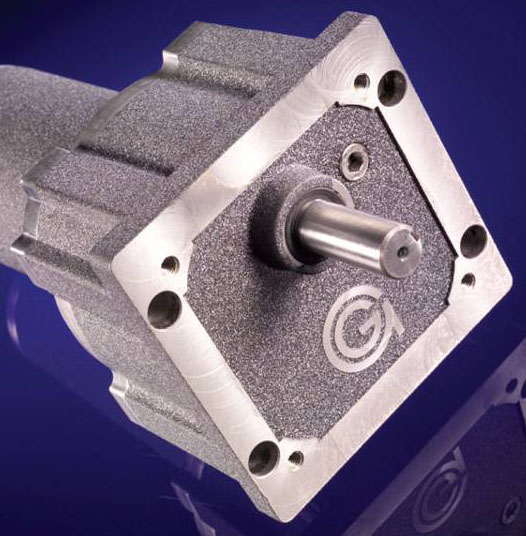
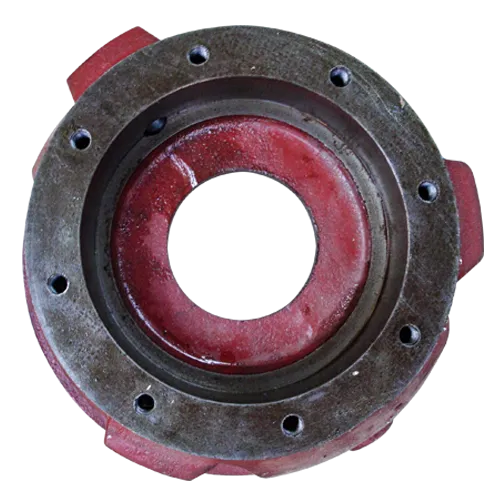
Material selection for centrifugal compressor impellers is another crucial aspect to consider. Impellers can be manufactured from a variety of materials, including aluminum, stainless steel, and titanium. Each material offers different strengths and weaknesses. For instance, aluminum is lightweight and cost-effective but may not provide the same level of durability as stainless steel. In contrast, titanium offers excellent strength-to-weight ratio and corrosion resistance, making it ideal for offshore and challenging chemical environments, albeit at a higher cost. Customization in impeller design is increasingly sought after to meet specific operational requirements. Computational Fluid Dynamics (CFD) has revolutionized the design process, allowing engineers to simulate and optimize impeller configurations for maximum efficiency and performance. This approach ensures that the impeller design is precisely tailored to the specific conditions in which it will operate, resulting in enhanced compressor longevity and reduced operational costs. Routine maintenance and thorough inspections are essential to ensure the optimal performance of centrifugal compressor impellers. Regularly scheduled maintenance helps identify potential issues such as wear, corrosion, or fatigue cracks before they lead to significant failures. Implementing a comprehensive maintenance strategy, including condition monitoring systems, not only extends the lifespan of the impeller but also enhances overall system reliability. Furthermore, the integration of digital tools and IoT technology in predictive maintenance strategies is transforming the landscape of impeller upkeep. By harnessing real-time data and advanced analytics, operators can anticipate maintenance needs accurately, reducing unexpected downtime and enhancing operational efficiency. Understanding the variations in centrifugal compressor impeller types and their suitability for different applications is essential for making informed decisions in industrial operations. By carefully considering factors such as operating environment, gas purity, and efficiency requirements, businesses can select the most appropriate impeller design to optimize performance, reduce maintenance costs, and enhance overall system reliability. This expertise not only ensures optimal compressor performance but also aligns with the broader objectives of sustainability and energy efficiency, crucial in today’s environmentally conscious landscape.
Next:
Latest news
-
Choosing an Engine Storage Crate Cover for Material and EnvironmentNewsNov.23,2026
-
Cylinder Head Chamber Buyers: Check the Casting Specification FirstNewsNov.17,2026
-
How Impeller Casting Manufacturers Match Material, Process and EquipmentNewsNov.15,2026
-
Valve body vs. intake air chamber: Which casting fits your assembly?NewsNov.02,2026
-
Air Intake Chamber FAQ: Specifications, Ordering and Support QuestionsNewsOct.28,2026
-
Motorcycle Accessories FAQ: Specifications, Ordering and Support QuestionsNewsOct.24,2026
Related PRODUCTS










