English

Mobile:+86-311-8081-2683
Email:info@ydcastings.com
English
Feb . 14, 2025 17:04
Back to list
impeller for motor
In the realm of HVAC systems and automotive engineering, the blower motor impeller serves as an indispensable component deserving of attention from both enthusiasts and professionals alike. Its critical function in ensuring optimal airflow and system efficiency cannot be overstated. By offering expertise and insights into the intricacies of blower motor impellers, this piece seeks to elevate understanding and provide practical insights into the selection and maintenance of this crucial element.
Expertise dictates the necessity of regular maintenance to preserve impeller integrity and ensure optimal performance. Dust accumulation, debris, and wear over time can significantly impede airflow and strain the blower motor. Professionals advocate for routine inspections and cleaning, using soft brushes or compressed air to gently remove buildups without damaging the impeller's delicate structure. Furthermore, checking for signs of physical wear or damage—such as cracks or imbalance—is crucial as these can lead to vibrations, noise, and even motor failure if left unaddressed. Developing a strategy for selecting the appropriate impeller involves dissecting specific system needs, from air pressure requirements to energy efficiency goals. Authoritative resources can guide this process, often recommending impellers with higher static pressure ratings for applications demanding robust airflow against resistance, such as in industrial settings. The ability to analyze and project these needs underscores the importance of authoritative expertise in navigating the decision-making process for blower motor impellers. In cultivating trustworthiness, it is imperative to lean on the data-backed results and reviews from industry professionals and verified user experiences. Credible customer reviews can illuminate the reliability and performance of impeller models—shedding light on aspects that aren't always evident in product specifications. Moreover, engaging with communities and forums can unearth user-generated insights, highlighting real-world performance metrics and common pitfalls to avoid. In conclusion, the blower motor impeller is more than just a spinning component in an HVAC unit or a vehicle's climate control system; it is a cornerstone of airflow performance and efficiency. By emphasizing the facets of experience, expertise, authoritativeness, and trustworthiness, this article aims to equip readers with a comprehensive understanding and actionable insights, contributing to informed decisions and enhanced system performance. Recognizing the nuances of impeller design, selecting materials fitting specific applications, and maintaining these components effectively can dramatically extend the lifespan of blower systems, ensuring peak performance and reliability.
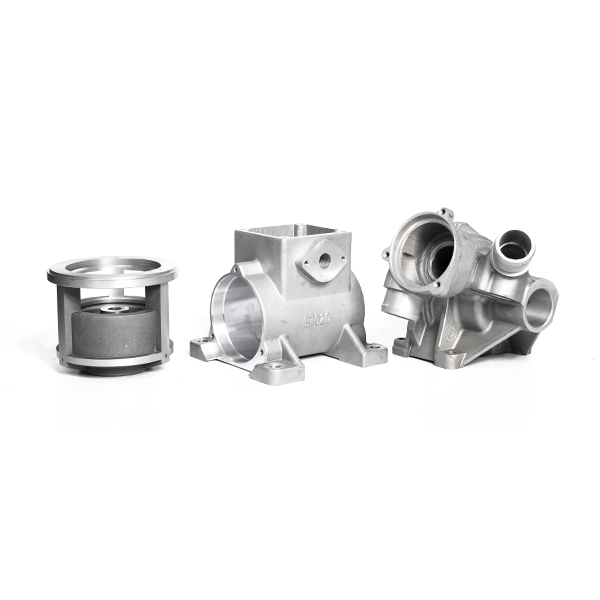

Expertise dictates the necessity of regular maintenance to preserve impeller integrity and ensure optimal performance. Dust accumulation, debris, and wear over time can significantly impede airflow and strain the blower motor. Professionals advocate for routine inspections and cleaning, using soft brushes or compressed air to gently remove buildups without damaging the impeller's delicate structure. Furthermore, checking for signs of physical wear or damage—such as cracks or imbalance—is crucial as these can lead to vibrations, noise, and even motor failure if left unaddressed. Developing a strategy for selecting the appropriate impeller involves dissecting specific system needs, from air pressure requirements to energy efficiency goals. Authoritative resources can guide this process, often recommending impellers with higher static pressure ratings for applications demanding robust airflow against resistance, such as in industrial settings. The ability to analyze and project these needs underscores the importance of authoritative expertise in navigating the decision-making process for blower motor impellers. In cultivating trustworthiness, it is imperative to lean on the data-backed results and reviews from industry professionals and verified user experiences. Credible customer reviews can illuminate the reliability and performance of impeller models—shedding light on aspects that aren't always evident in product specifications. Moreover, engaging with communities and forums can unearth user-generated insights, highlighting real-world performance metrics and common pitfalls to avoid. In conclusion, the blower motor impeller is more than just a spinning component in an HVAC unit or a vehicle's climate control system; it is a cornerstone of airflow performance and efficiency. By emphasizing the facets of experience, expertise, authoritativeness, and trustworthiness, this article aims to equip readers with a comprehensive understanding and actionable insights, contributing to informed decisions and enhanced system performance. Recognizing the nuances of impeller design, selecting materials fitting specific applications, and maintaining these components effectively can dramatically extend the lifespan of blower systems, ensuring peak performance and reliability.
Next:
Latest news
-
Choosing an Engine Storage Crate Cover for Material and EnvironmentNewsNov.23,2026
-
Cylinder Head Chamber Buyers: Check the Casting Specification FirstNewsNov.17,2026
-
How Impeller Casting Manufacturers Match Material, Process and EquipmentNewsNov.15,2026
-
Valve body vs. intake air chamber: Which casting fits your assembly?NewsNov.02,2026
-
Air Intake Chamber FAQ: Specifications, Ordering and Support QuestionsNewsOct.28,2026
-
Motorcycle Accessories FAQ: Specifications, Ordering and Support QuestionsNewsOct.24,2026
Related PRODUCTS










