English

Mobile:+86-311-8081-2683
Email:info@ydcastings.com
English
Feb . 12, 2025 19:30
Back to list
chiller impeller
Chiller impellers are at the heart of any efficient cooling system, serving as critical components that drive fluid dynamics to enable reduced temperatures in industrial, commercial, and institutional buildings. Understanding the nuances of chiller impellers can significantly impact the efficiency and longevity of cooling mechanisms, directly influencing your bottom line and environmental footprint.
Trustworthiness in manufacturers is vital for ensuring the long-term reliability of chiller impellers. Industry leaders often adhere to stringent quality standards, utilizing robust quality control processes and offering extensive warranties. This ensures their impellers meet or exceed expected performance metrics. Companies like Trane, Carrier, and York have established themselves as authoritative figures by consistently delivering high-quality products backed by reliable customer service and technical support. Maintaining chiller impellers involves regular checks for wear and tear, as imbalances or damage can lead to inefficiencies and increased operational costs. To enhance trustworthiness, it is recommended to engage in predictive maintenance using advanced diagnostic tools to preemptively identify potential issues before they escalate into costly downtimes. In conclusion, the choice of a chiller impeller is not merely a technical decision but a strategic one that impacts operational efficiency, cost-effectiveness, and sustainability. Employing the right expertise to select and maintain these components ensures robust performance and long-term savings. The continuous evolution of materials and designs means that businesses must stay informed to leverage the latest innovations. By integrating experience, expertise, authoritativeness, and trustworthiness, stakeholders can unlock unparalleled efficiency in their cooling systems, ensuring both economic viability and environmental responsibility.
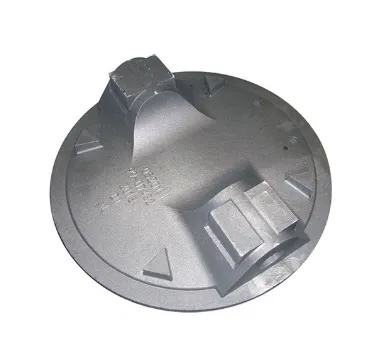

Trustworthiness in manufacturers is vital for ensuring the long-term reliability of chiller impellers. Industry leaders often adhere to stringent quality standards, utilizing robust quality control processes and offering extensive warranties. This ensures their impellers meet or exceed expected performance metrics. Companies like Trane, Carrier, and York have established themselves as authoritative figures by consistently delivering high-quality products backed by reliable customer service and technical support. Maintaining chiller impellers involves regular checks for wear and tear, as imbalances or damage can lead to inefficiencies and increased operational costs. To enhance trustworthiness, it is recommended to engage in predictive maintenance using advanced diagnostic tools to preemptively identify potential issues before they escalate into costly downtimes. In conclusion, the choice of a chiller impeller is not merely a technical decision but a strategic one that impacts operational efficiency, cost-effectiveness, and sustainability. Employing the right expertise to select and maintain these components ensures robust performance and long-term savings. The continuous evolution of materials and designs means that businesses must stay informed to leverage the latest innovations. By integrating experience, expertise, authoritativeness, and trustworthiness, stakeholders can unlock unparalleled efficiency in their cooling systems, ensuring both economic viability and environmental responsibility.
Next:
Latest news
-
Choosing an Engine Storage Crate Cover for Material and EnvironmentNewsNov.23,2026
-
Cylinder Head Chamber Buyers: Check the Casting Specification FirstNewsNov.17,2026
-
How Impeller Casting Manufacturers Match Material, Process and EquipmentNewsNov.15,2026
-
Valve body vs. intake air chamber: Which casting fits your assembly?NewsNov.02,2026
-
Air Intake Chamber FAQ: Specifications, Ordering and Support QuestionsNewsOct.28,2026
-
Motorcycle Accessories FAQ: Specifications, Ordering and Support QuestionsNewsOct.24,2026
Related PRODUCTS










