English

Mobile:+86-311-8081-2683
Email:info@ydcastings.com
English
Feb . 12, 2025 19:07
Back to list
as impeller
For professionals seeking optimization in fluid dynamics and pump technology, the impeller stands central to achieving peak performance. These rotational components convert mechanical energy into fluid movement, rendering them indispensable in diverse industries, from water treatment plants to aerospace engineering. Understanding the intrinsic value and operational mechanics of impellers can significantly impact the efficiency and longevity of machinery.
Authoritativeness in the field is built upon a legacy of innovation and rigorous testing. Leading manufacturers invest heavily in R&D to enhance impeller performance. By conducting extensive empirical research, they've pioneered advanced impeller designs that exemplify the cutting-edge of fluid manipulation technology. Take, for instance, the advent of CFD (Computational Fluid Dynamics) in impeller design. This technology allows for precise modeling and testing without the need for physical prototypes, making it an authoritative tool in the development of high-efficiency impellers. These authoritative techniques and technologies provide the assurances that customers and partners seek when integrating advanced solutions. Trustworthiness is inherently tied to the reliability of impellers in practice. Industry standards and certifications, such as those from ISO (International Organization for Standardization) or ANSI (American National Standards Institute), offer confidence in the material quality and manufacturing processes. Trust is further solidified through the transparent documentation of performance metrics and failure rates, leading to better predictive maintenance and reduced downtimes. Companies that prioritize transparency and adhere to stringent quality controls reinforce their reputation, ensuring stakeholders that their investments are secure and their operations unimpaired. In conclusion, mastering the design and application of impellers is paramount for engineers and decision-makers focused on fluid handling systems. By leveraging a blend of experience, deep expertise, authoritative technological practices, and a commitment to trustworthiness, businesses can harness the full potential of impellers. This holistic approach not only enhances system performance but also extends equipment life, ensuring that their investment yields significant returns.
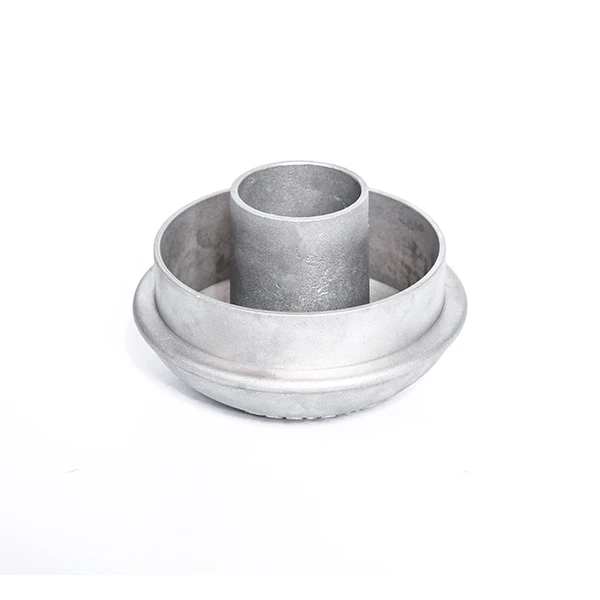
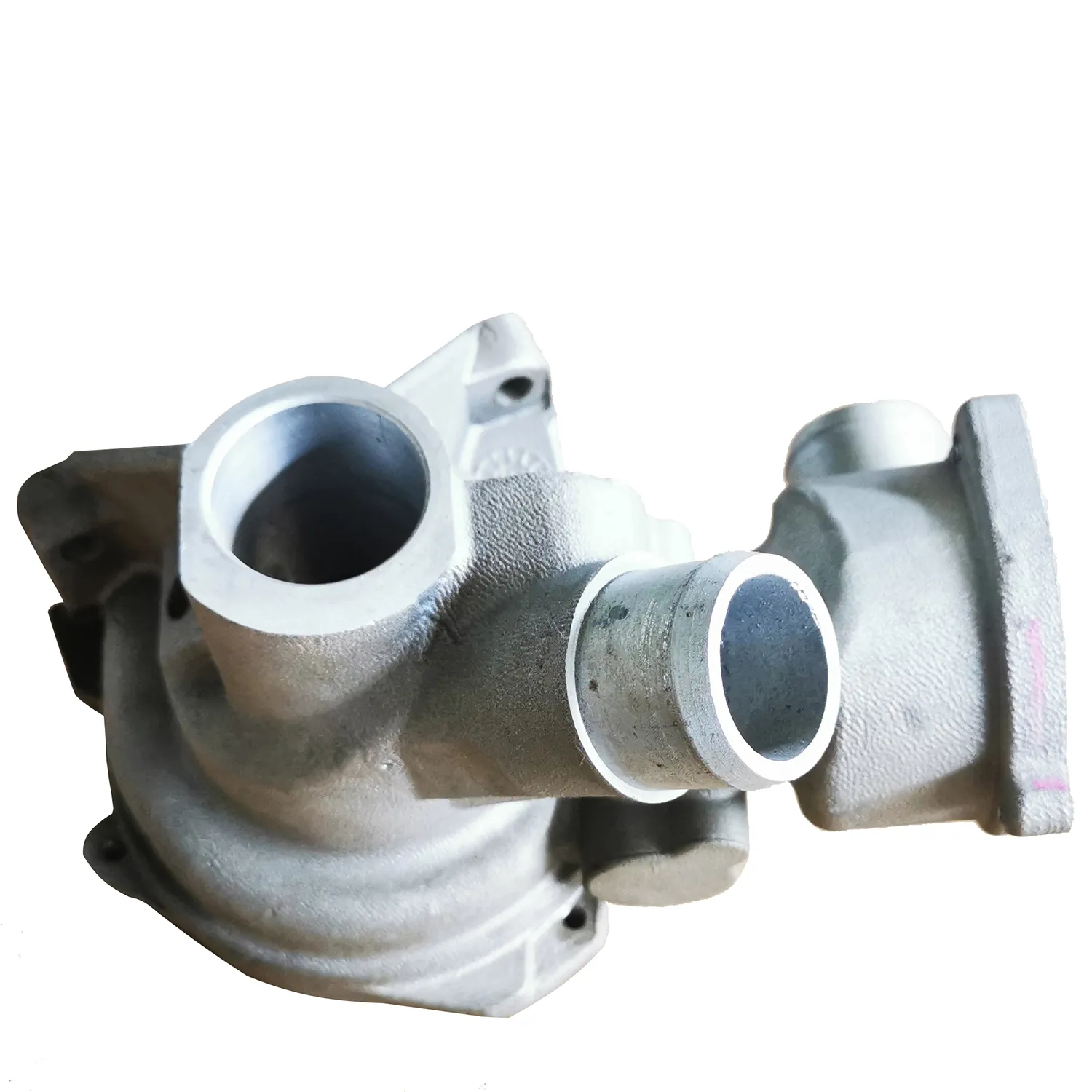
Authoritativeness in the field is built upon a legacy of innovation and rigorous testing. Leading manufacturers invest heavily in R&D to enhance impeller performance. By conducting extensive empirical research, they've pioneered advanced impeller designs that exemplify the cutting-edge of fluid manipulation technology. Take, for instance, the advent of CFD (Computational Fluid Dynamics) in impeller design. This technology allows for precise modeling and testing without the need for physical prototypes, making it an authoritative tool in the development of high-efficiency impellers. These authoritative techniques and technologies provide the assurances that customers and partners seek when integrating advanced solutions. Trustworthiness is inherently tied to the reliability of impellers in practice. Industry standards and certifications, such as those from ISO (International Organization for Standardization) or ANSI (American National Standards Institute), offer confidence in the material quality and manufacturing processes. Trust is further solidified through the transparent documentation of performance metrics and failure rates, leading to better predictive maintenance and reduced downtimes. Companies that prioritize transparency and adhere to stringent quality controls reinforce their reputation, ensuring stakeholders that their investments are secure and their operations unimpaired. In conclusion, mastering the design and application of impellers is paramount for engineers and decision-makers focused on fluid handling systems. By leveraging a blend of experience, deep expertise, authoritative technological practices, and a commitment to trustworthiness, businesses can harness the full potential of impellers. This holistic approach not only enhances system performance but also extends equipment life, ensuring that their investment yields significant returns.
Next:
Latest news
-
Choosing an Engine Storage Crate Cover for Material and EnvironmentNewsNov.23,2026
-
Cylinder Head Chamber Buyers: Check the Casting Specification FirstNewsNov.17,2026
-
How Impeller Casting Manufacturers Match Material, Process and EquipmentNewsNov.15,2026
-
Valve body vs. intake air chamber: Which casting fits your assembly?NewsNov.02,2026
-
Air Intake Chamber FAQ: Specifications, Ordering and Support QuestionsNewsOct.28,2026
-
Motorcycle Accessories FAQ: Specifications, Ordering and Support QuestionsNewsOct.24,2026
Related PRODUCTS










