English

Mobile:+86-311-8081-2683
Email:info@ydcastings.com
English
Fabricating Precision Components with Cast Stainless Steel Techniques and Applications
The Advantages of Cast Stainless Steel Parts in Industrial Applications
Cast stainless steel parts have garnered significant attention in various industries due to their unique properties and wide-ranging applications. This article explores the advantages of using cast stainless steel components, particularly in manufacturing and engineering sectors.
One of the primary benefits of cast stainless steel parts is their excellent corrosion resistance. Stainless steel is known for its ability to withstand corrosion from environmental factors, including moisture and various chemicals. This characteristic makes it an ideal choice for industries such as food processing, pharmaceuticals, and petrochemicals, where equipment is constantly exposed to harsh conditions and sanitization processes. Cast stainless steel parts maintain their integrity over time, reducing the need for frequent replacements and repairs.
Additionally, the casting process allows for intricate designs and complex geometries that are often challenging to achieve with other manufacturing methods, such as machining. By pouring molten stainless steel into molds, manufacturers can create shapes that are tailored to specific applications, which can reduce assembly time and increase overall efficiency. This flexibility in design is crucial for meeting the evolving demands of various industries, enabling manufacturers to innovate while maintaining quality.
cast stainless steel parts
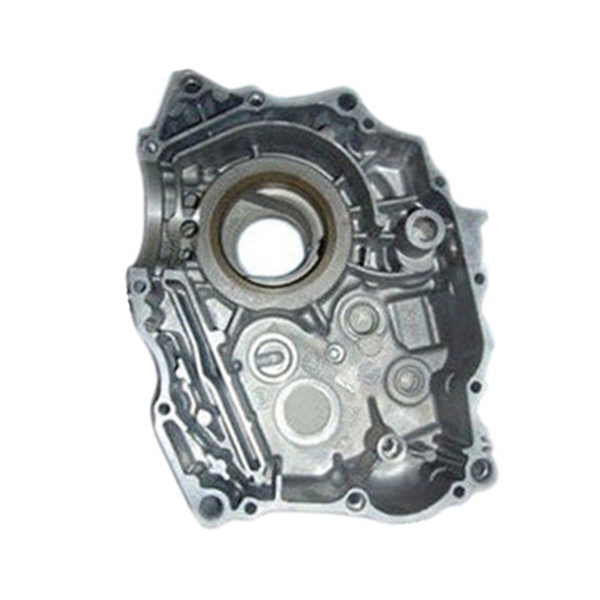
Another advantage of cast stainless steel parts is their excellent mechanical properties
. These parts typically possess high strength and durability, making them suitable for heavy-duty applications. Whether it’s valves in a chemical plant, components in an automotive engine, or structural elements in construction, cast stainless steel can withstand demanding conditions without compromising performance. Its ability to endure extreme temperatures further enhances its appeal for a wide range of applications.Cost-effectiveness is another essential factor to consider. While the initial investment for cast stainless steel parts may be higher compared to other materials, their long lifespan and low maintenance requirements lead to significant cost savings over time. Industries that rely on durability and long-term performance find that stainless steel parts provide better value despite the upfront costs.
Moreover, the sustainability aspect of stainless steel cannot be overlooked. As a recyclable material, stainless steel aligns with modern environmental standards and regulations. Manufacturers are increasingly seeking materials that minimize their ecological impact, and cast stainless steel parts contribute positively to sustainability efforts by reducing waste and promoting recycling.
In conclusion, the advantages of cast stainless steel parts, including corrosion resistance, versatility in design, mechanical strength, cost-effectiveness, and sustainability, make them an indispensable choice for numerous industries. As technology advances and industries continue to evolve, the demand for high-quality, durable, and environmentally friendly components will undoubtedly increase, solidifying the role of cast stainless steel parts in the future of manufacturing.
-
Choosing an Engine Storage Crate Cover for Material and EnvironmentNewsNov.23,2026
-
Cylinder Head Chamber Buyers: Check the Casting Specification FirstNewsNov.17,2026
-
How Impeller Casting Manufacturers Match Material, Process and EquipmentNewsNov.15,2026
-
Valve body vs. intake air chamber: Which casting fits your assembly?NewsNov.02,2026
-
Air Intake Chamber FAQ: Specifications, Ordering and Support QuestionsNewsOct.28,2026
-
Motorcycle Accessories FAQ: Specifications, Ordering and Support QuestionsNewsOct.24,2026










