English

Mobile:+86-311-8081-2683
Email:info@ydcastings.com
English
Types of Impellers Used in Water Pump Applications
Understanding Water Pump Impeller Types
Water pumps play a crucial role in various industrial, agricultural, and municipal applications, serving the primary function of moving water from one location to another. A vital component of a water pump is the impeller, which imparts kinetic energy to the water, facilitating its movement. Different types of impellers are designed to meet specific performance criteria, and understanding these types can significantly enhance the efficiency and effectiveness of a pumping system.
Centrifugal impellers are the most common type found in water pumps. These impellers function by converting rotational kinetic energy into hydrodynamic energy, resulting in high flow rates. They typically consist of curved blades that extend outward from the pump shaft. There are several variants of centrifugal impellers, including
- Open Impellers These have no cover over the blade tips, allowing for the passage of solids in the fluid. They are easier to clean and maintain, making them suitable for wastewater applications. - Closed Impellers These feature a front and rear shroud covering the blades, which increases efficiency by reducing turbulence. Closed impellers are commonly used in clean water applications due to their higher performance and efficiency.
- Semi-Open Impellers These split the difference between open and closed designs, offering some advantages of both, such as reduced wear while allowing for the passage of larger particles.
2. Positive Displacement Impellers
water pump impeller types
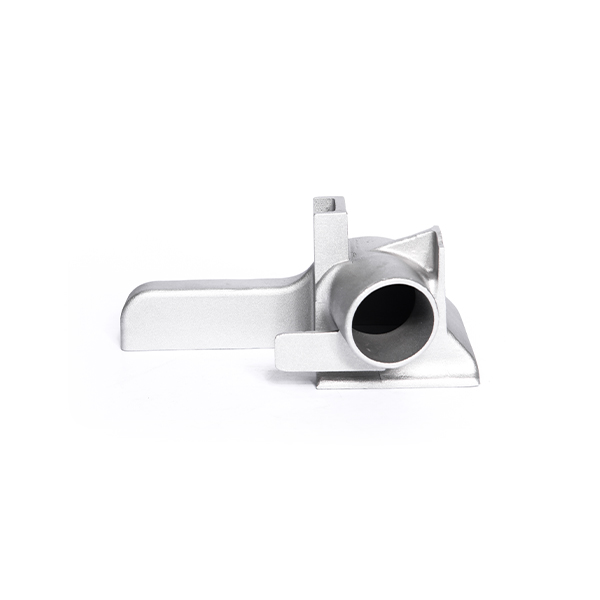
Unlike centrifugal impellers, positive displacement (PD) impellers trap a fixed volume of fluid and move it through the pump. This type of impeller is particularly effective for delivering a consistent flow, especially at high pressures. PD impellers can be classified into two main types
- Gear Impellers These consist of two or more gears that mesh together to move fluid. They are widely used in applications requiring precise flow rates and pressure control, such as in oil and chemical transfer.
- Diaphragm Impellers Utilizing a flexible diaphragm, these impellers create a sealed chamber that moves fluid through the pump. They are ideal for applications requiring the handling of corrosive or hazardous fluids, ensuring no leakage occurs.
3. Mixed Flow Impellers
Mixed flow impellers combine features of both centrifugal and axial flow impellers. They are designed to handle intermediate flow rates and pressures effectively. This type is commonly used in large pumping stations and water treatment facilities where space is limited but high efficiency is still required.
Conclusion
Selecting the right type of impeller for a water pump is essential for maximizing performance, efficiency, and longevity. Centrifugal impellers, with their various designs, are ideal for generalized fluid transfer, while positive displacement impellers excel in specialized applications requiring precise control. Mixed flow impellers serve as a versatile option, balancing flow and pressure capabilities. Understanding these options will help engineers and operators make informed decisions tailored to their specific pumping needs. Proper selection and maintenance of the impeller type can lead to significant operational savings and enhanced system performance.
-
Choosing an Engine Storage Crate Cover for Material and EnvironmentNewsNov.23,2026
-
Cylinder Head Chamber Buyers: Check the Casting Specification FirstNewsNov.17,2026
-
How Impeller Casting Manufacturers Match Material, Process and EquipmentNewsNov.15,2026
-
Valve body vs. intake air chamber: Which casting fits your assembly?NewsNov.02,2026
-
Air Intake Chamber FAQ: Specifications, Ordering and Support QuestionsNewsOct.28,2026
-
Motorcycle Accessories FAQ: Specifications, Ordering and Support QuestionsNewsOct.24,2026










