English

Mobile:+86-311-8081-2683
Email:info@ydcastings.com
English
Casting Techniques for Small Aluminum Components in Manufacturing Processes
Casting Small Aluminum Parts An Essential Overview
Casting small aluminum parts has become an integral manufacturing process across various industries, including automotive, aerospace, electronics, and consumer products. The ability to produce intricate shapes with high precision makes aluminum casting an attractive option for manufacturers looking to meet the demanding specifications of modern engineering.
Understanding Aluminum Casting
Aluminum casting involves pouring molten aluminum into a mold to create shapes that can range from simple to highly complex. The process is characterized by its versatility and the beneficial properties of aluminum, such as its lightweight, corrosion resistance, and excellent thermal and electrical conductivity. The key stages in the aluminum casting process include melting, pouring, solidification, and finishing.
1. Melting The process begins by melting aluminum ingots in a furnace. This is usually done at a temperature of around 660 degrees Celsius (1220 degrees Fahrenheit). Different melting methods, such as electric induction or gas-fired furnaces, can be used depending on the application and desired metal quality.
2. Pouring Once the aluminum is molten, it is carefully poured into a mold. Molds can be made of various materials, including sand, metal, or ceramic, and they can be designed for single-use or multiple uses, depending on production requirements.
3. Solidification As the molten aluminum fills the mold, it begins to cool and solidify. The rate of cooling will influence the properties of the finished part. Slow cooling typically yields a coarser grain structure, while rapid cooling can lead to finer grains, impacting the strength and hardness of the final product.
4. Finishing After solidification, the casting is removed from the mold, and any excess material or imperfections are address. This may involve machining, grinding, or surface treatment processes to achieve the desired specifications and quality.
Benefits of Aluminum Casting
The choice to cast small aluminum parts offers several distinct advantages
- Lightweight Construction Aluminum is significantly lighter than many alternative metals, making it a preferred choice in industries such as automotive and aerospace, where reducing weight can lead to improved fuel efficiency and performance.
casting small aluminum parts
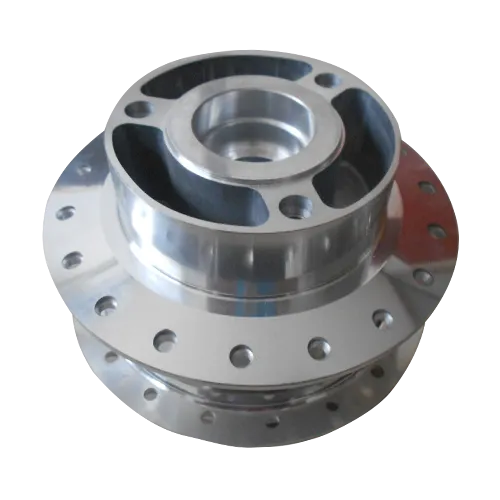
- Corrosion Resistance Aluminum naturally forms a protective oxide layer that prevents corrosion. This characteristic is particularly beneficial for products exposed to harsh environments.
- Good Thermal and Electrical Conductivity Aluminum's excellent conductivity makes it suitable for applications in electrical and electronic components, where efficient heat dissipation is essential.
- Complex Geometries Casting techniques allow manufacturers to create intricate parts that might be impossible to achieve through other manufacturing processes. This capability enables the design of more innovative products.
Challenges in Casting Small Aluminum Parts
While aluminum casting presents numerous benefits, there are challenges to consider
- Defects and Quality Control Issues such as porosity, surface imperfections, and dimensional inaccuracies can arise during the casting process. It’s crucial for manufacturers to implement stringent quality control measures to identify and rectify these defects.
- Cost Considerations Although casting can be cost-effective for large volume production, the initial setup costs, especially for custom molds and tooling, can be significant. Manufacturers need to balance these costs against production volumes to ensure profitability.
- Environmental Concerns The melting of aluminum requires significant energy, and the associated carbon footprint is a growing concern within the industry. Efforts are being made to adopt more sustainable practices, such as recycling scrap aluminum and using cleaner energy sources for melting.
Future Trends in Aluminum Casting
As industries evolve, so does the technology associated with aluminum casting. Innovations such as 3D printing and advanced mold-making techniques are increasingly being integrated into the casting process. This allows for even greater design freedom and efficiency. Moreover, the growing emphasis on sustainability is driving the development of environmentally friendly casting processes, emphasizing recycling and reduced waste.
In conclusion, casting small aluminum parts is a vital aspect of modern manufacturing. With their unique properties and ability to be shaped into complex geometries, aluminum parts offer exciting opportunities for innovation across various sectors. By addressing the associated challenges and leveraging technological advancements, manufacturers can continue to enhance the efficiency and quality of aluminum casting processes, thereby meeting the ever-evolving demands of their markets.
-
Choosing an Engine Storage Crate Cover for Material and EnvironmentNewsNov.23,2026
-
Cylinder Head Chamber Buyers: Check the Casting Specification FirstNewsNov.17,2026
-
How Impeller Casting Manufacturers Match Material, Process and EquipmentNewsNov.15,2026
-
Valve body vs. intake air chamber: Which casting fits your assembly?NewsNov.02,2026
-
Air Intake Chamber FAQ: Specifications, Ordering and Support QuestionsNewsOct.28,2026
-
Motorcycle Accessories FAQ: Specifications, Ordering and Support QuestionsNewsOct.24,2026










