English

Mobile:+86-311-8081-2683
Email:info@ydcastings.com
English
3 inch cap design options for improved performance and versatility in various applications
The Importance of 3% 204 Inch Caps in Industry
In the realm of industrial applications, the design and utility of components are pivotal to ensuring efficiency and functionality. A specific component that has garnered attention in recent years is the 3% 204 inch cap. While it may seem like a niche topic, the implications of using the right cap can significantly influence both performance and safety in various sectors.
Understanding the Basics
A cap, in this context, is a cover or closure that is used to seal an opening or container. The 3% 204 inch cap refers to a particular style or specification of cap that adheres to certain dimensional standards - specifically, a diameter of 204 inches and a measurement that constitutes around 3% of a referenced dimension, likely in terms of material thickness or cover capacity. This specificity is crucial as it indicates the intended use and compatibility of the cap with various systems, particularly in large-scale operations or manufacturing environments.
Applications Across Sectors
The applications of the 3% 204 inch cap are expansive, ranging from oil and gas industries to food and beverage manufacturing. In the oil and gas sector, such caps can be essential for securely sealing large pipelines or storage tanks, preventing spills and ensuring product integrity. The 3% margin might suggest a design that allows for thermal expansion or contraction, a critical factor in environments that undergo significant temperature fluctuations.
In the food industry, where maintaining sanitary conditions is paramount, these caps can be employed in the bottling process, ensuring that containers remain airtight to preserve freshness. The precision of a 204 inch cap means it can fit securely with standard bottle openings, thus minimizing contamination risks.
Material Considerations
3 4 inch cap
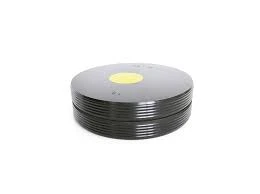
The materials used to produce the 3% 204 inch cap are also of immense importance. Caps must be crafted from durable, corrosion-resistant materials to withstand the rigors of their environments. For oil and gas applications, materials like stainless steel or high-density polyethylene (HDPE) are often preferred due to their resistance to corrosive agents. In food applications, compliance with health and safety regulations necessitates that materials are FDA-approved, ensuring they are safe for contact with consumables.
Performance and Safety Standards
In industries where safety cannot be compromised, the performance of components like the 3% 204 inch cap is subject to rigorous testing and certification processes. These can include pressure tests to verify that the caps can withstand high-stress situations without failure, as well as environmental tests to assess their durability under extreme conditions. Such reliability is vital, as a failure in sealing could lead to hazardous spills or contamination.
Cost-Effectiveness and Efficiency
Utilizing appropriately designed caps such as the 3% 204 inch variant can also represent a significant cost-saving measure. By ensuring a precise fit, these caps prevent leaks and wastage, thereby optimizing operational efficiency. In manufacturing scenarios, this translates to minimized downtime and reduced maintenance costs, allowing companies to focus resources more effectively.
Conclusion
In conclusion, while the 3% 204 inch cap may appear to be a simple component, its role in various industries is far-reaching and often critical. From enhancing safety and operational efficiency to ensuring compliance with health standards, the significance of this cap cannot be understated. As industries continue to evolve and push the boundaries of innovation, the importance of precise, well-engineered components like the 3% 204 inch cap will undoubtedly remain at the forefront of strategic design and implementation. Through diligent attention to detail in materials and design specifications, industries can achieve not only operational excellence but also a commitment to safety and reliability.
-
Choosing an Engine Storage Crate Cover for Material and EnvironmentNewsNov.23,2026
-
Cylinder Head Chamber Buyers: Check the Casting Specification FirstNewsNov.17,2026
-
How Impeller Casting Manufacturers Match Material, Process and EquipmentNewsNov.15,2026
-
Valve body vs. intake air chamber: Which casting fits your assembly?NewsNov.02,2026
-
Air Intake Chamber FAQ: Specifications, Ordering and Support QuestionsNewsOct.28,2026
-
Motorcycle Accessories FAQ: Specifications, Ordering and Support QuestionsNewsOct.24,2026










