English

Mobile:+86-311-808-126-83
Email:info@ydcastings.com
English
Exploring Techniques and Benefits of Casting Aluminum for Various Applications
Casting Aluminum A Comprehensive Overview
Aluminum casting is a process that involves pouring molten aluminum into a mold to create various shapes and components. This technique has been widely adopted in different industries, including automotive, aerospace, and consumer goods, due to aluminum's unique properties such as lightweight, corrosion resistance, and excellent thermal conductivity. This article explores the fundamental aspects of aluminum casting, its advantages, methods, and applications.
Properties of Aluminum
Aluminum is a versatile metal, known for its low density and high strength-to-weight ratio. It is also resistant to oxidation, meaning it does not rust as easily as iron or steel. Moreover, aluminum is highly malleable, which allows it to be shaped into intricate designs without losing its structural integrity. These properties make aluminum an ideal candidate for casting, leading to its extensive use in manufacturing various products.
Advantages of Aluminum Casting
One of the primary reasons for using aluminum casting is its ability to produce complex shapes with high precision. Aluminum castings often require less machining due to their near-net shape capabilities, which saves both time and material costs. Additionally, the lightweight nature of aluminum casts means that finished products are easier to handle and transport.
Another significant advantage is the excellent surface finish achieved through the casting process. Aluminum can be anodized or coated easily, enhancing its aesthetic appeal and providing additional protection against corrosion. Furthermore, the recyclability of aluminum makes it an environmentally friendly option, aligning with sustainable manufacturing practices.
Methods of Aluminum Casting
Several methods are employed in the aluminum casting process, each with its unique advantages and applications
casting aluminum
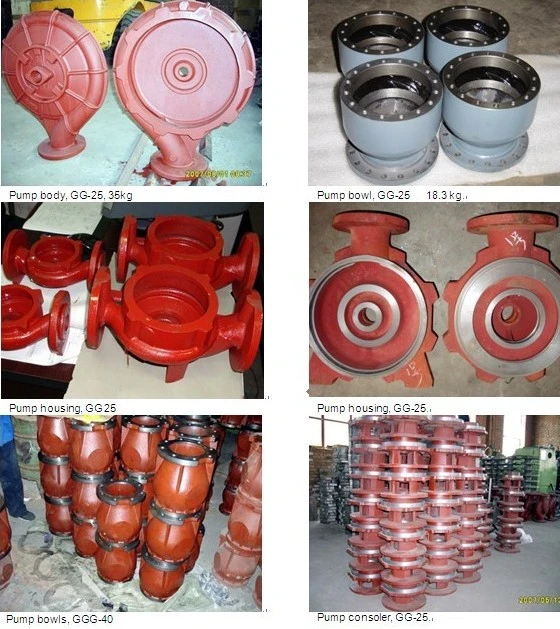
1. Sand Casting This is one of the oldest and most commonly used techniques. In sand casting, a pattern is made from a material such as wood or metal, which is then surrounded by sand to form a mold. The molten aluminum is poured into the mold and allowed to cool, creating the desired shape. Sand casting is particularly effective for producing large, heavy parts.
2. Die Casting In this method, molten aluminum is forced into a mold under high pressure. Die casting is known for its ability to produce lightweight and precise components quickly. It is commonly used in the automotive industry for parts such as engine blocks and transmission cases.
3. Investment Casting Also known as lost-wax casting, this method involves creating a wax pattern that is coated with a ceramic shell. Once the shell is formed, the wax is melted away, leaving a cavity for the molten aluminum. Investment casting is excellent for producing complex and detailed parts, often used in aerospace applications.
4. Permanent Mold Casting This method utilizes reusable metal molds, which can withstand high temperatures. The molten aluminum is poured into these molds, allowing for quick cooling and solidification. Permanent mold casting is ideal for producing high-volume production runs of aluminum parts with uniform properties.
Applications of Aluminum Casting
The applications of aluminum casting are vast and diverse. In the automotive sector, aluminum castings are used for engine components, wheels, and structural parts, providing strength while reducing overall vehicle weight for better fuel efficiency. The aerospace industry relies on aluminum castings for aircraft components, ensuring safety and performance while keeping weight to a minimum.
In consumer goods, aluminum casting is found in products ranging from cookware to decorative items. Its aesthetic versatility and durability make aluminum appealing for both functional and decorative purposes. Additionally, the construction industry utilizes aluminum castings in architectural features, window frames, and other structural elements.
Conclusion
Aluminum casting has revolutionized manufacturing across various industries, offering a balance of performance, cost-effectiveness, and environmental sustainability. As technology continues to evolve, the processes and applications of aluminum casting are expected to expand, paving the way for new innovations and opportunities in the realm of manufacturing. Whether in automotive, aerospace, or everyday products, aluminum casting remains a crucial aspect of modern industry.
-
Precision Valve Castings for Agricultural Irrigation and Fluid Control SystemsNewsMay.08,2026
-
Precision Impeller and Compressor Components for Agricultural MachineryNewsMay.08,2026
-
Essential Cast Components for Agricultural Machinery: Oil Management and Motor ProtectionNewsMay.08,2026
-
High-Performance Cast Components for Agricultural Machinery: From Cooling to Exhaust SystemsNewsMay.08,2026
-
Agricultural Valve Castings: Durable Flow Control Solutions for Farm Irrigation SystemsNewsMay.08,2026
-
High-Performance Agricultural Pump Components: Precision Castings for Reliable Farm OperationsNewsMay.08,2026