English

Mobile:+86-311-808-126-83
Email:info@ydcastings.com
English
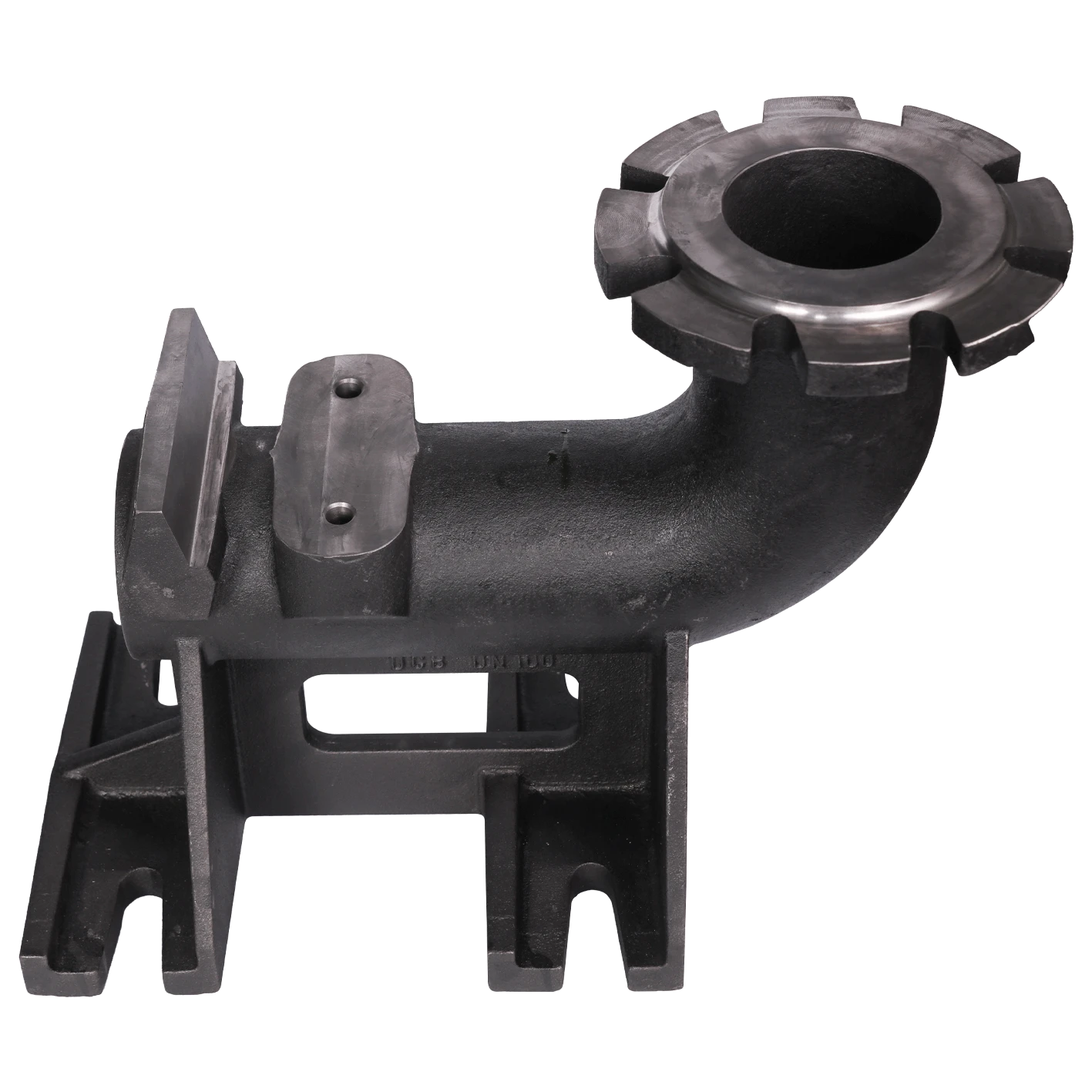
7.3 turbo exhaust housing
The Impact of 7.3% Turbo Exhaust Housing on Performance
When it comes to enhancing the performance of automotive engines, especially in turbocharged applications, every component of the system plays a crucial role. Among these components, the turbo exhaust housing stands out as a critical factor influencing overall efficiency, power output, and throttle response. A 7.3% turbo exhaust housing can significantly impact how an engine delivers power and performs under various conditions.
Understanding Turbo Exhaust Housing
The turbo exhaust housing serves as a conduit for exhaust gases that are directed toward the turbine within the turbocharger. It consists of two primary sections the turbine housing itself, which houses the turbine wheel, and the wastegate outlet, which helps manage boost pressure. When the engine expels exhaust gases, they spin the turbine, which is connected to a compressor that forces additional air into the engine's intake. This process increases the amount of oxygen available for combustion, resulting in more power.
The Role of Design and Efficiency
The design of the turbo exhaust housing is pivotal in determining how effectively the exhaust gases are converted into usable energy. A well-optimized housing minimizes restrictions and reduces backpressure, allowing for quicker spool times and enhanced turbo response. The 7.3% figure often refers to specific modifications or improvements that reduce the size and weight of the housing while maintaining structural integrity and heat resistance.
By employing lighter materials and refining the geometry of the housing, manufacturers can achieve a solution that allows gases to flow more freely. This improves turbocharger responsiveness and increases the overall efficiency of the engine. For enthusiasts hoping to squeeze more power from their engines, the investment in a high-performance 7.3% turbo exhaust housing can lead to noticeable gains.
Performance Benefits
Adopting a 7
.3% turbo exhaust housing can yield several benefits, including1. Increased Power Output The enhanced flow of exhaust gases allows for more robust boost pressure, translating into greater horsepower and torque figures. This is particularly significant for high-performance vehicles where every additional horsepower counts.
7.3 turbo exhaust housing
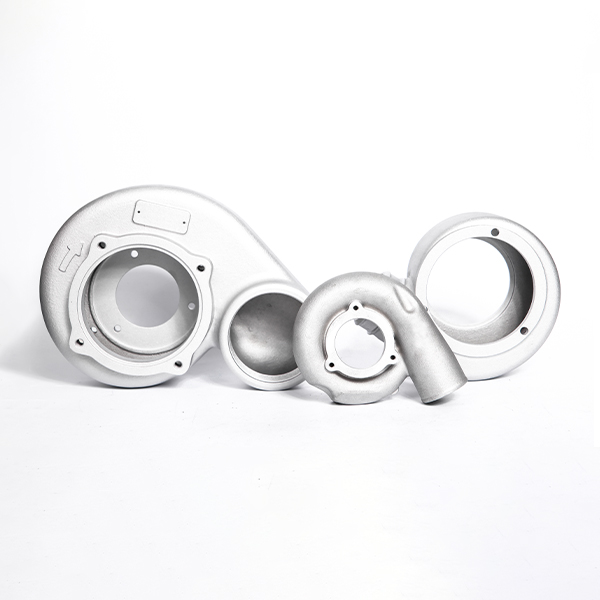
2. Improved Throttle Response One of the most sought-after traits in performance vehicles is the ability of the engine to respond quickly to driver input. With reduced backpressure and optimized airflow, vehicles equipped with a 7.3% turbo exhaust housing can accelerate faster and deliver power more immediately when the throttle is engaged.
3. Better Fuel Efficiency Ironically, more power does not necessarily mean less efficiency. By optimizing exhaust flow, the engine can operate more efficiently, potentially leading to better fuel economy. This becomes crucial in applications where power and efficiency must coexist, such as in modern diesel engines or high-performance street cars.
4. Enhanced Sound Car enthusiasts often appreciate the sound of an engine, and modifications to the turbo exhaust housing can provide a sportier, more aggressive exhaust note. A well-designed housing can change how exhaust gases exit the system, contributing to a more pleasing auditory experience.
Considerations Before Upgrading
While the advantages of a 7.3% turbo exhaust housing are enticing, several factors warrant consideration before making such an investment. Firstly, it is essential to assess whether the modification is compatible with the existing turbocharger setup and engine configuration. Improper installation or incompatibility can lead to performance issues or even engine damage.
Moreover, tuning the engine after installation is recommended to maximize the benefits of the new exhaust housing. This ensures that the air-fuel ratio is optimized and that the engine management system accommodates the increased air flow.
Lastly, it’s crucial to consider local regulations regarding exhaust modifications. Some regions impose strict laws on emissions and noise levels, and any changes may need to comply with these regulations.
Conclusion
In conclusion, a 7.3% turbo exhaust housing represents a valuable opportunity for performance enthusiasts looking to improve their vehicle's capabilities. By enhancing exhaust flow, reducing backpressure, and improving overall engine efficiency, this modification can significantly impact power output and response. However, as with any performance upgrade, careful consideration of compatibility and proper tuning will ensure that drivers can enjoy the full advantages of their enhanced turbocharged systems. With the right approach, a turbo exhaust housing upgrade can lead to an exhilarating driving experience and a more powerful engine at your command.
-
Precision Valve Castings for Agricultural Irrigation and Fluid Control SystemsNewsMay.08,2026
-
Precision Impeller and Compressor Components for Agricultural MachineryNewsMay.08,2026
-
Essential Cast Components for Agricultural Machinery: Oil Management and Motor ProtectionNewsMay.08,2026
-
High-Performance Cast Components for Agricultural Machinery: From Cooling to Exhaust SystemsNewsMay.08,2026
-
Agricultural Valve Castings: Durable Flow Control Solutions for Farm Irrigation SystemsNewsMay.08,2026
-
High-Performance Agricultural Pump Components: Precision Castings for Reliable Farm OperationsNewsMay.08,2026