English

Mobile:+86-311-8081-2683
Email:info@ydcastings.com
English
casting products
The Significance of Casting Products in Modern Manufacturing
Casting has been a cornerstone of manufacturing for centuries, playing a significant role in a myriad of industries, including automotive, aerospace, and construction. The process of casting involves pouring molten metal into a mold to create parts and products with intricate shapes and designs. This technique not only allows for complex geometries that are often difficult to achieve through other manufacturing processes but also reduces material waste, making it an efficient and cost-effective option.
One of the most prominent benefits of casting products is their ability to produce large volumes of components with consistent quality. Manufacturers can create highly reproducible parts, which is particularly critical in industries where safety and reliability are paramount. For instance, in the automotive sector, precisely cast components such as engine blocks and transmission housings are essential for vehicle performance and durability. Advances in casting technology, including the use of computer-aided design (CAD) and simulation software, have further enhanced precision and minimized defects, leading to improved performance of the final products.
Moreover, the versatility of casting extends to a wide range of materials. While traditional casting primarily utilized metals like iron and aluminum, technological advancements have now made it possible to cast products from materials such as plastic, resin, and even certain ceramics. This flexibility allows manufacturers to tailor their products to meet specific requirements, such as weight reduction, enhanced corrosion resistance, or improved thermal properties. Consequently, industries can innovate more rapidly and effectively satisfy the needs of consumers.
casting products
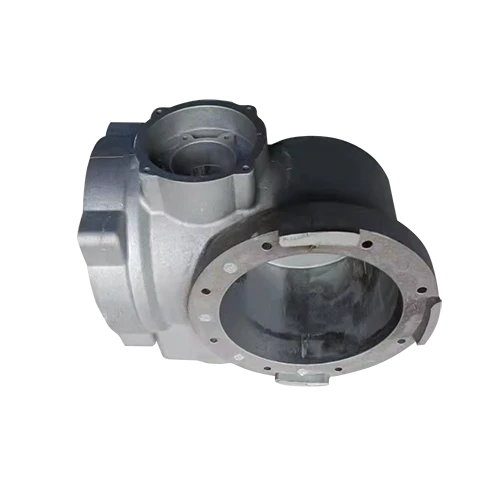
In addition to versatility in materials, the casting process itself has evolved significantly. Innovations such as 3D printing of molds and cores have revolutionized the traditional casting process, enabling greater design freedom. This shift allows engineers to create more complex and optimized geometries that enhance the functionality of the product while simultaneously reducing production time. As a result, manufacturers can respond more quickly to changing market demands, providing customized solutions that cater to unique applications.
Another aspect of casting products is the sustainability it can offer. As manufacturers strive to reduce their environmental footprint, casting processes can be designed to minimize waste and energy consumption. For example, technologies such as sand casting allow for the recycling of sand and metal scraps, which lowers material costs and reduces landfill waste. Additionally, advancements in clean energy sources encourage the use of environmentally friendly practices in foundries, further promoting the sustainability of casting products.
Casting also plays a pivotal role in the economy. It supports a vast network of suppliers and provides job opportunities across various skill levels, from mold makers to engineers. The ripple effect of casting products extends to related industries, such as machining and assembly, creating a robust ecosystem that fuels economic growth. In this interconnected landscape, the demand for high-quality casting products not only drives innovation within the sector but also propels advances across other fields.
In conclusion, casting products significantly impact modern manufacturing by offering versatility, efficiency, and sustainability. As technology continues to evolve, so too will the capabilities and applications of casting in various industries. The ability to create complex and high-quality components will remain a vital asset for manufacturers, ensuring that casting products will continue to be a fundamental component of industrial progress for years to come. Whether in the creation of essential machinery, intricate art pieces, or high-performance automotive parts, castings are undeniably at the heart of innovation and functionality in our everyday lives.
-
Choosing an Engine Storage Crate Cover for Material and EnvironmentNewsNov.23,2026
-
Cylinder Head Chamber Buyers: Check the Casting Specification FirstNewsNov.17,2026
-
How Impeller Casting Manufacturers Match Material, Process and EquipmentNewsNov.15,2026
-
Valve body vs. intake air chamber: Which casting fits your assembly?NewsNov.02,2026
-
Air Intake Chamber FAQ: Specifications, Ordering and Support QuestionsNewsOct.28,2026
-
Motorcycle Accessories FAQ: Specifications, Ordering and Support QuestionsNewsOct.24,2026










