Mobile:+86-311-808-126-83
Email:info@ydcastings.com

Cast Iron & Aluminum Castings: Durable Parts for Farm Systems
In farming and heavy equipment, your machinery’s reliability depends on the strength and quality of its most basic parts. From moving water and waste to protecting motors and managing engine heat, durable metal components are non-negotiable. Whether you’re connecting robust drainage lines with a cast iron waste pipe connector, enclosing a pump motor with a precision aluminum motor housing, or ensuring an engine stays cool with a 911 fan housing, choosing the right materials and manufacturing processes makes all the difference. Let’s break down why these parts matter and how modern casting technology delivers the performance your equipment demands.
Cast Iron Waste Pipe Connector for Heavy-Duty Drainage
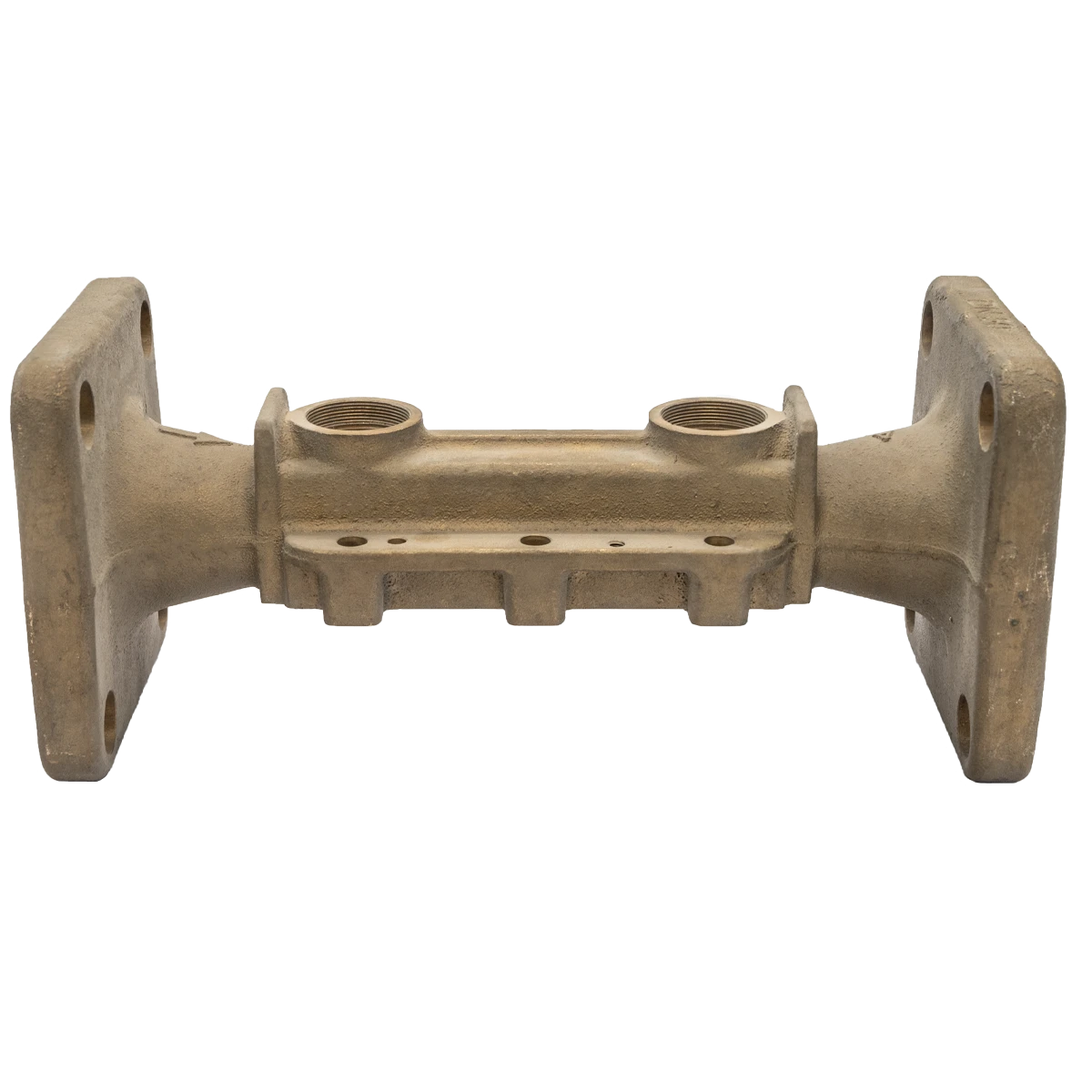
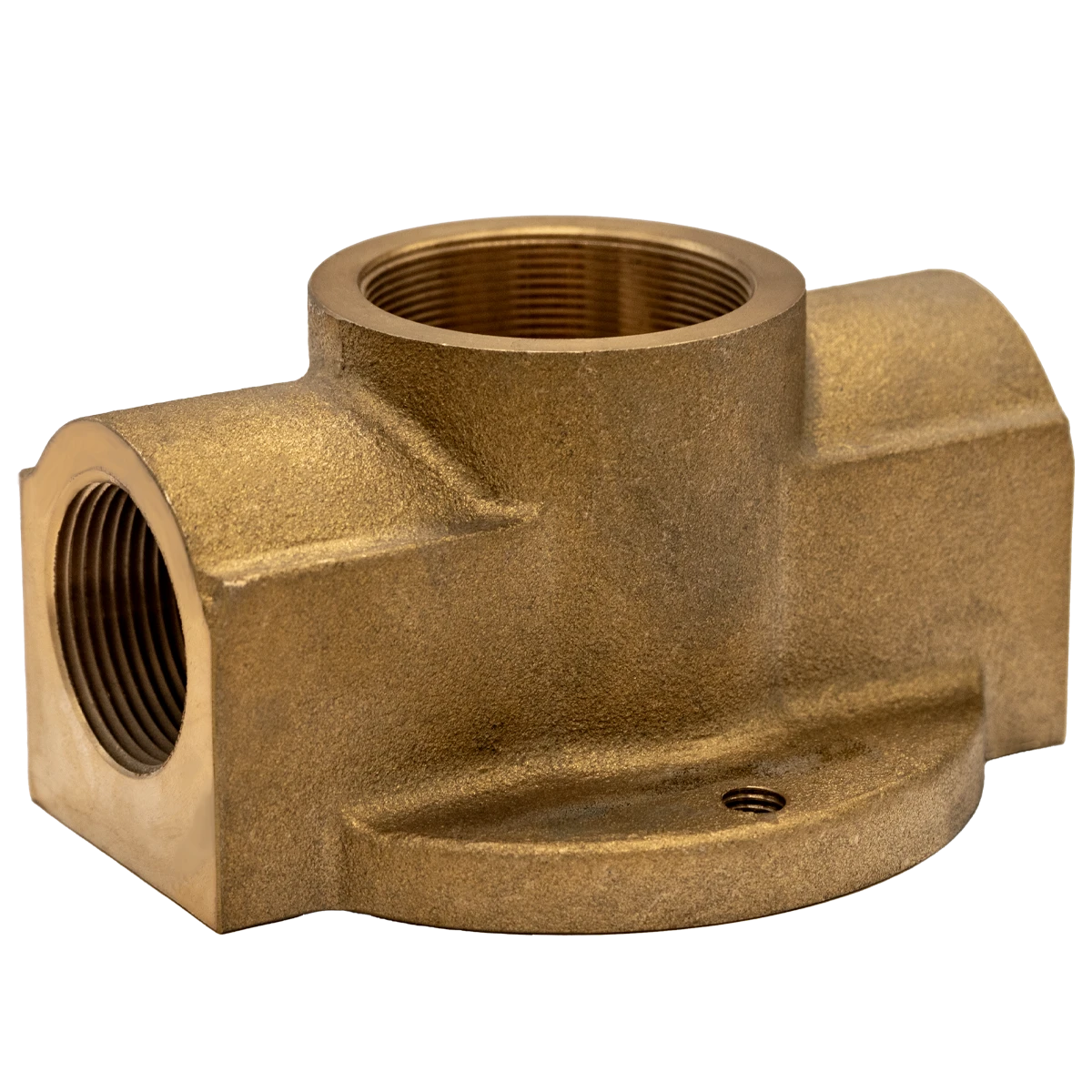
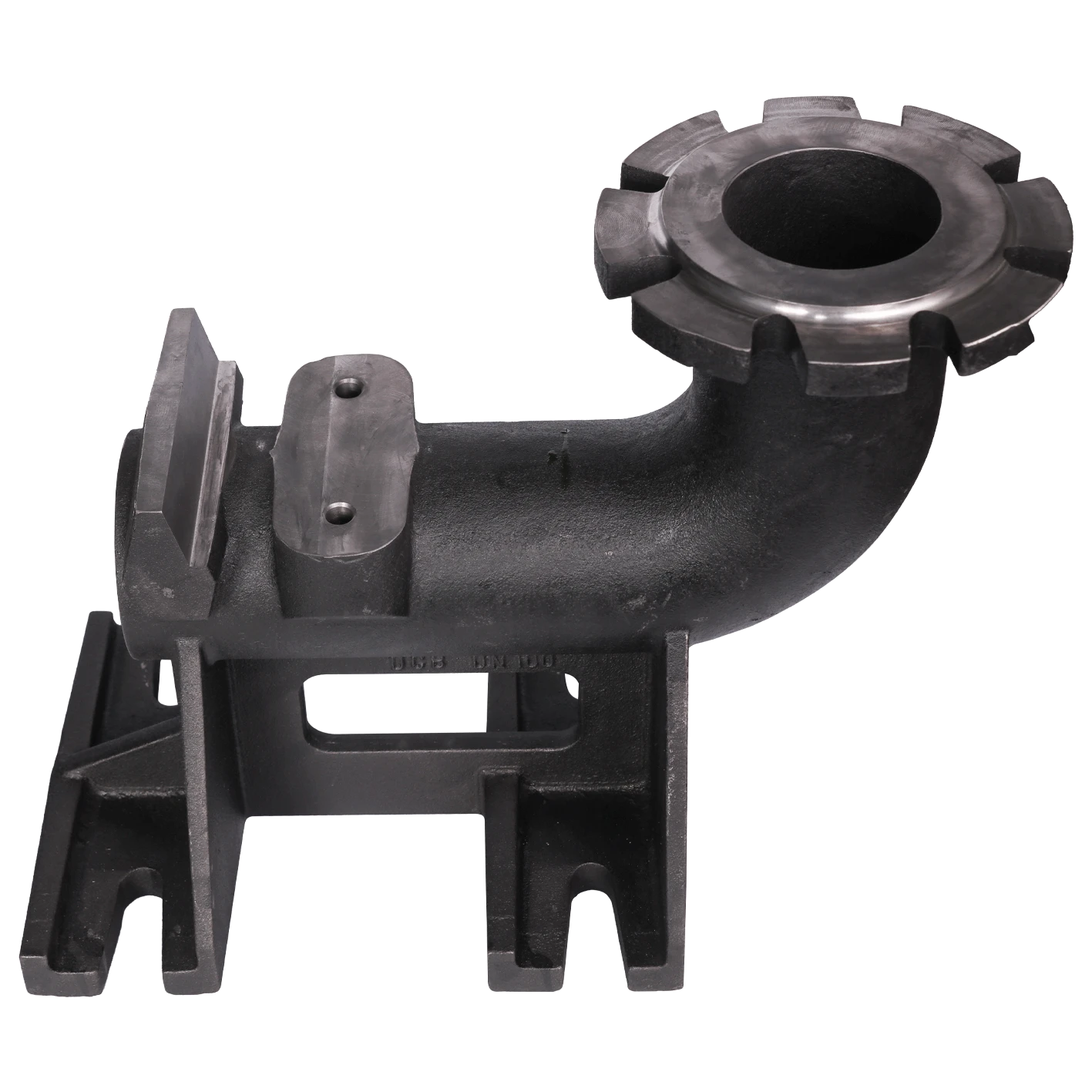
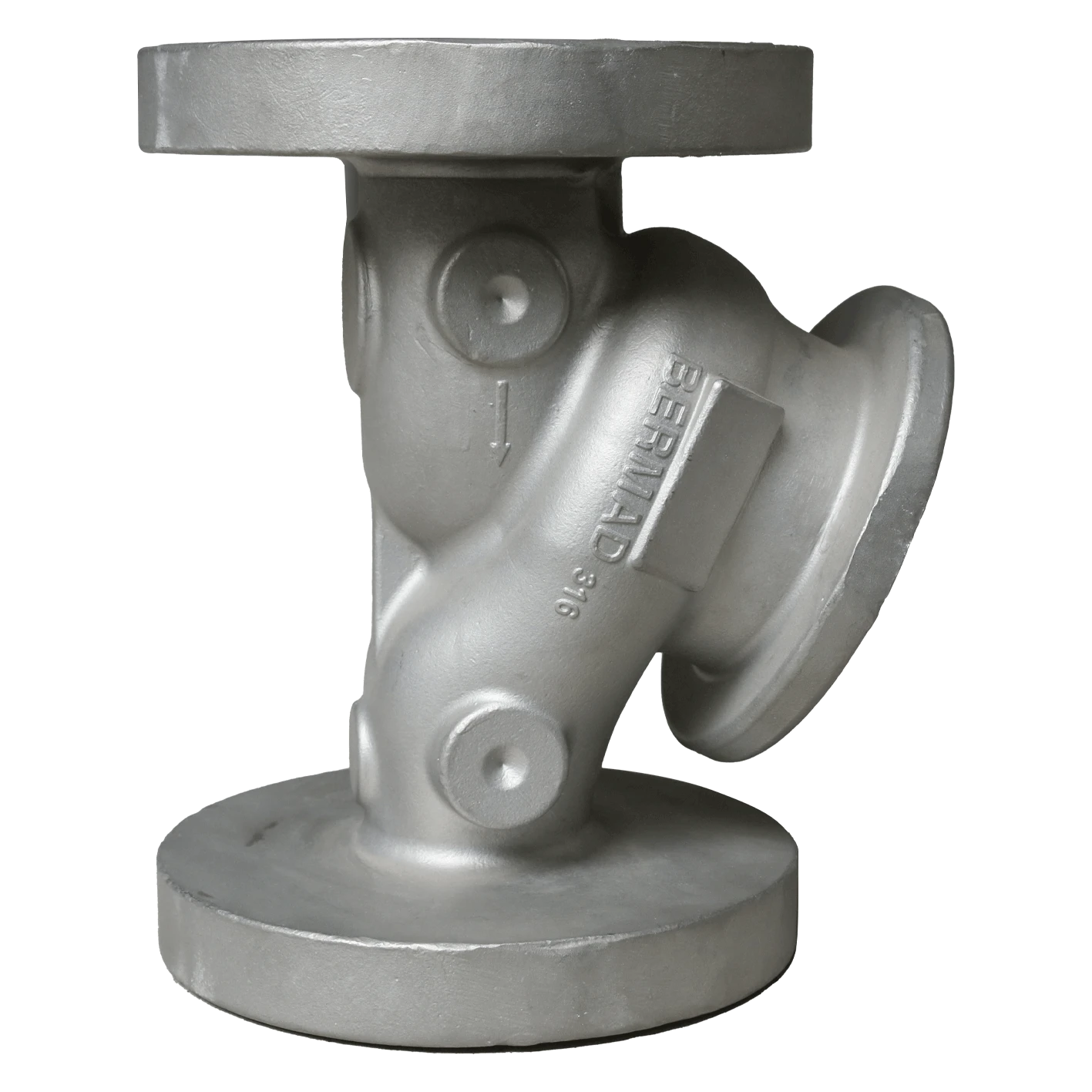
In agricultural and equipment-shop drainage systems, durability is key. A cast iron waste pipe connector offers the rugged strength needed to handle wastewater, coolants, or runoff without failing. Cast iron resists corrosion and withstands physical impact better than many plastics or thinner metals, making it ideal for below-floor drains, wash bays, or outdoor runoff lines. Choosing a well-cast cast iron waste pipe connector ensures a long-lasting, leak-resistant connection that won’t let you down when you need it most.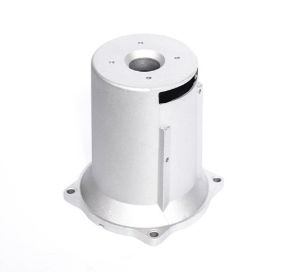
Aluminum Motor Housing for Lightweight Protection
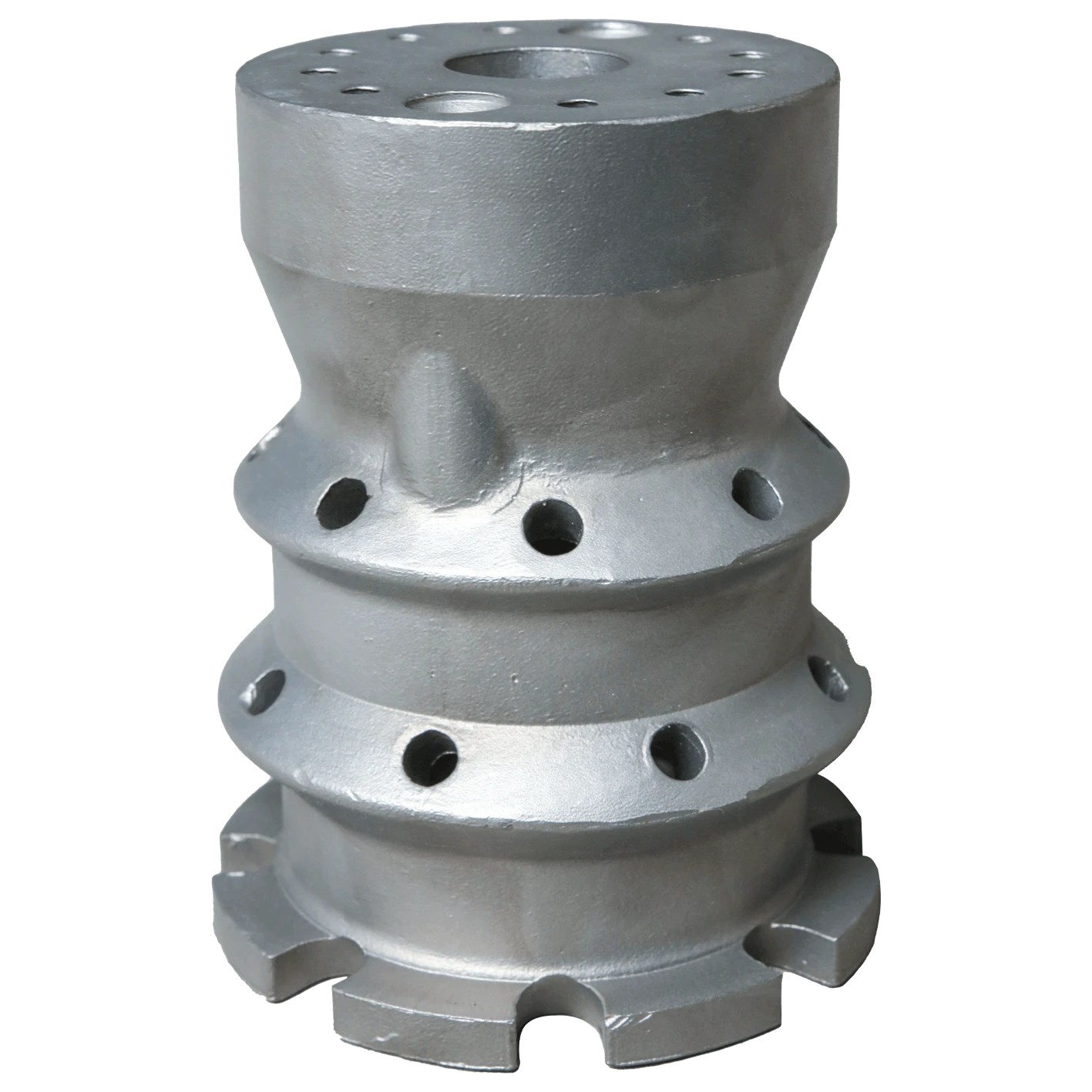
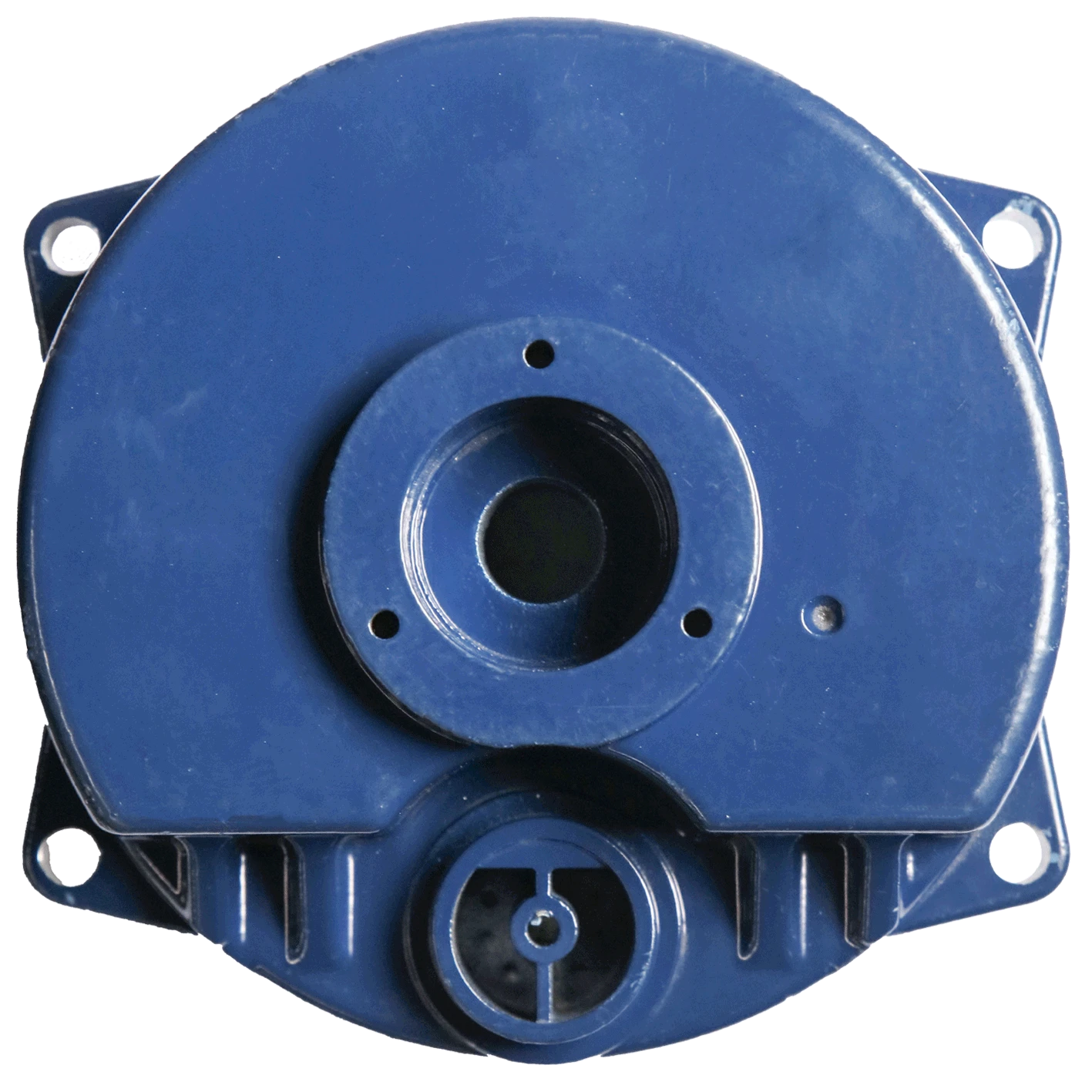
When it comes to enclosing motors on pumps, fans, or processing equipment, an aluminum motor housing provides the perfect balance of protection and weight savings. Aluminum is strong yet light, which reduces strain on mounts and supports. A housing made through motor housing casting techniques also allows for integrated cooling fins or mounting points, simplifying assembly. For farming equipment where every pound matters and heat dissipation is crucial, an aluminum motor housing is a smart, efficient choice.
The process behind a reliable housing is just as important as the material. Motor housing casting—often using die-casting methods—enables the production of complex, net-shape parts with high dimensional accuracy. This means the housing fits the motor perfectly, with minimal need for machining. Whether it’s for a ventilation fan or an irrigation pump, a housing produced through advanced motor housing casting ensures better heat dissipation, improved sealing, and longer service life for the motor inside.
911 Fan Housing for High-Performance Engine Cooling
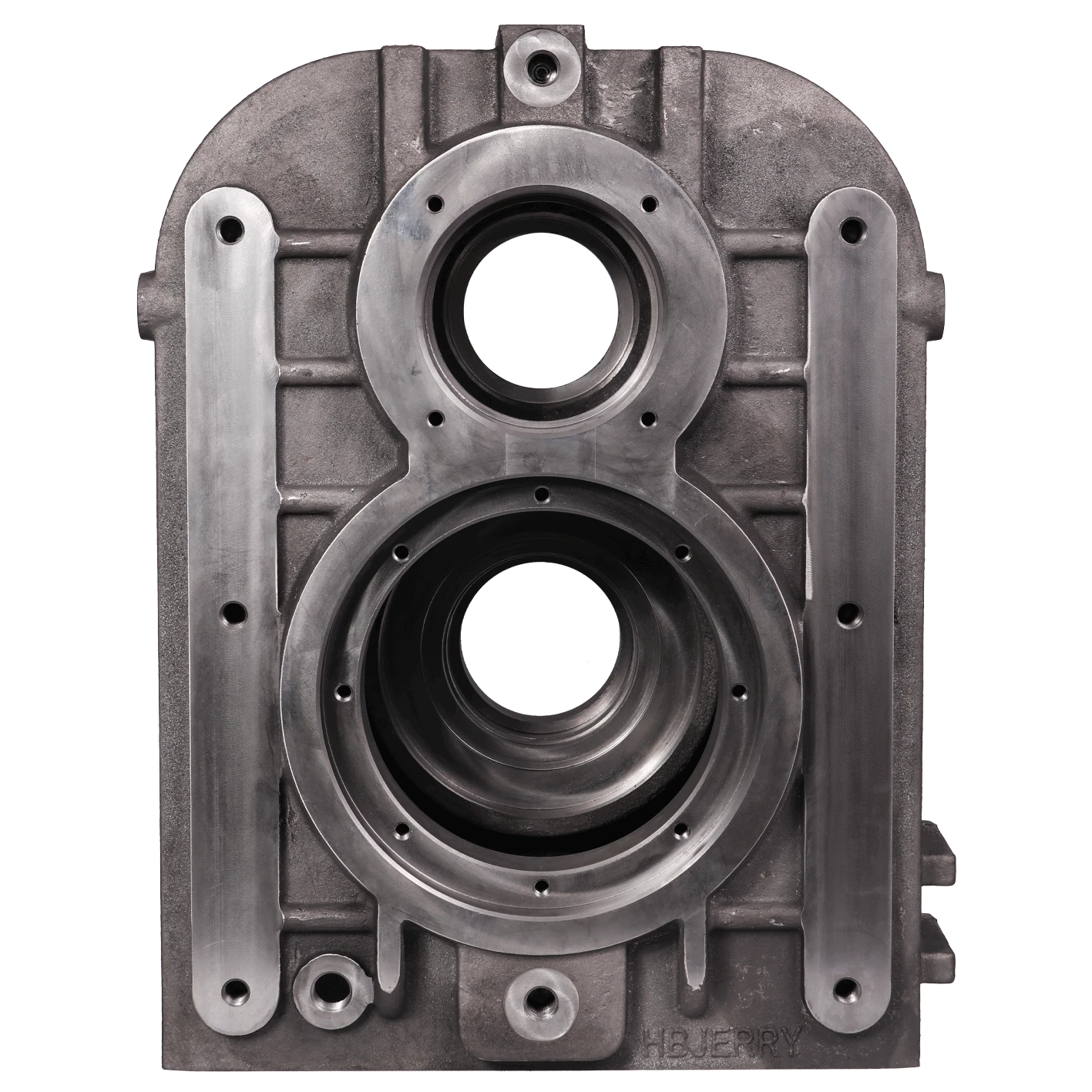
In high-demand applications—like cooling systems for powerful tractor engines or industrial air-moving equipment—the 911 fan housing represents a class of precision-engineered components. These housings are designed to maximize airflow efficiency and direct cooling precisely where it’s needed. Often manufactured using specialized casting processes, a 911 fan housing must be lightweight yet rigid to minimize vibration and noise. Its design is critical for maintaining optimal engine temperatures under heavy load, directly impacting performance and longevity.
Beyond housings and connectors, die-cast aluminum radiators are vital for thermal management. Using high-pressure die casting, aluminum alloys like ADC12 are formed into radiators with complex fin structures that maximize heat dissipation. These die-cast radiators are lightweight, corrosion-resistant, and offer excellent thermal conductivity—key for cooling engines in harvesters, tractors, and stationary equipment. The process allows for a single, strong piece with no seams, reducing leak points and improving reliability in dusty, vibrating farm environments.
Aluminum motor housing FAQs
What are the benefits of a cast iron waste pipe connector over PVC?
A cast iron waste pipe connector is far more resistant to physical impact, heat, and certain chemicals compared to PVC. It’s ideal for locations with heavy traffic, potential for debris impact, or where fire resistance is a consideration, such as in workshops or processing areas.
Why is aluminum commonly used for motor housings?
Aluminum motor housing components are popular because aluminum is lightweight, which reduces overall weight, and it has good natural heat dissipation properties. The motor housing casting process also allows for designs that include cooling fins directly in the casting, improving thermal management.
What is the difference between a generic fan housing and a 911 fan housing?
While both serve to direct airflow, a 911 fan housing is typically a precision-engineered part designed for specific high-performance or critical cooling applications. It often features optimized aerodynamic shapes, more robust mounting, and is made to tighter tolerances to ensure efficient, quiet, and reliable operation under demanding conditions.
Can die-cast aluminum radiators be repaired if damaged?
Due to their integrated, high-pressure die-cast construction, die-cast aluminum radiators are generally not repairable in the field if they crack or develop leaks in the core. Replacement is usually the recommended course of action to ensure reliable cooling performance.
Are these cast parts customizable for different equipment models?
Yes, reputable manufacturers and suppliers often offer customization. Motor housing casting and other processes can be tailored to produce parts with specific dimensions, mounting points, or integrated features to fit unique equipment models or specialized agricultural applications.
From managing fluids with a tough cast iron waste pipe connector to protecting vital motors with a precision aluminum motor housing, the right cast component ensures your equipment runs longer and performs better. Advanced processes like motor housing casting and the engineering behind a 911 fan housing directly contribute to efficiency and uptime.
Don’t compromise on the parts that form the backbone of your machinery. Explore our range of durable cast solutions designed for the demands of agriculture and heavy equipment. Visit our website today to find the connectors, housings, and cooling components you need—and keep your operations running strong. Click here to browse our catalog and connect with our technical team now!
-
Precision Valve Castings for Agricultural Irrigation and Fluid Control SystemsNewsMay.08,2026
-
Precision Impeller and Compressor Components for Agricultural MachineryNewsMay.08,2026
-
Essential Cast Components for Agricultural Machinery: Oil Management and Motor ProtectionNewsMay.08,2026
-
High-Performance Cast Components for Agricultural Machinery: From Cooling to Exhaust SystemsNewsMay.08,2026
-
Agricultural Valve Castings: Durable Flow Control Solutions for Farm Irrigation SystemsNewsMay.08,2026
-
High-Performance Agricultural Pump Components: Precision Castings for Reliable Farm OperationsNewsMay.08,2026