English

Mobile:+86-311-8081-2683
Email:info@ydcastings.com
English
Brass Impeller Design for Enhanced Performance and Durability in Fluid Systems
The Benefits of Brass Impellers in Pump Applications
Brass impellers have gained popularity in various industrial applications due to their excellent corrosion resistance, durability, and superior performance. In this article, we will explore the advantages of using brass impellers, particularly in hydraulic pumps and similar systems.
Understanding Brass Impellers
Brass is an alloy primarily composed of copper and zinc, though it can also contain small amounts of other metals to enhance its properties. The combination of these metals gives brass excellent mechanical strength, workability, and resistance to corrosion. Impellers, the rotating components of pumps that provide the necessary force to move fluids, can be crafted from various materials, but brass offers unique benefits that make it a preferred choice in many situations.
Corrosion Resistance
One of the standout features of brass impellers is their resistance to corrosion. In environments where water, chemicals, and other corrosive elements are present, traditional materials like steel or aluminum may suffer from degradation. Brass, on the other hand, is less susceptible to rust and corrosion, which allows it to maintain its integrity over a prolonged period. This characteristic is particularly important in applications involving seawater or other challenging fluids, where case failure could lead to costly downtime and repairs.
Durability and Strength
Brass impellers exhibit remarkable durability, which is essential in high-performance environments. The material can withstand high levels of stress and strain without deforming, ensuring consistent performance under demanding conditions. This strength is crucial for maintaining the pump's efficiency and effectiveness, as any loss of shape in the impeller can directly affect flow rates and pressure.
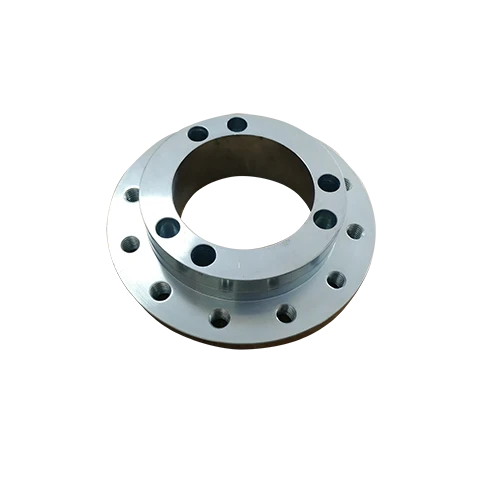
brass impeller
Thermal Conductivity
Another notable advantage of brass impellers is their excellent thermal conductivity. This property allows for effective heat dissipation, reducing the risk of overheating in pump operations. When fluids are pumped at higher temperatures, brass impellers help maintain optimal operating conditions, which can lead to improved efficiency and longevity of the entire pump system.
Reduced Maintenance
The longevity and corrosion resistance of brass impellers contribute to lower maintenance requirements in pump systems. Operators will find that brass impellers tend to have longer service lives, reducing the need for frequent replacements and maintenance interventions. This efficiency not only saves time but also lessens the overall operational costs associated with pump systems.
Applications of Brass Impellers
Brass impellers are commonly used in a variety of industries, including marine, automotive, HVAC (heating, ventilation, and air conditioning), and water treatment. In marine applications, for instance, their resistance to seawater corrosion makes them ideal for bilge pumps and other devices exposed to harsh saltwater environments. In HVAC systems, brass impellers effectively circulate fluids in cooling and heating systems, ensuring reliable operation and energy efficiency.
Conclusion
The advantages of brass impellers—such as corrosion resistance, durability, thermal conductivity, and reduced maintenance—make them an excellent choice for many pump applications. As industries continue to seek reliable and efficient solutions, the use of brass impellers is likely to grow, providing a combination of performance and longevity that meets the demands of modern engineering. Whether in critical marine operations or everyday HVAC systems, brass impellers are a testament to the enduring benefits of this versatile material.
-
Choosing an Engine Storage Crate Cover for Material and EnvironmentNewsNov.23,2026
-
Cylinder Head Chamber Buyers: Check the Casting Specification FirstNewsNov.17,2026
-
How Impeller Casting Manufacturers Match Material, Process and EquipmentNewsNov.15,2026
-
Valve body vs. intake air chamber: Which casting fits your assembly?NewsNov.02,2026
-
Air Intake Chamber FAQ: Specifications, Ordering and Support QuestionsNewsOct.28,2026
-
Motorcycle Accessories FAQ: Specifications, Ordering and Support QuestionsNewsOct.24,2026










