English

Mobile:+86-311-8081-2683
Email:info@ydcastings.com
English
Precision Casting Techniques for High-Quality Stainless Steel Applications in Modern Industries
The Significance and Benefits of Stainless Steel Precision Casting
Stainless steel precision casting has emerged as a pivotal technique in modern manufacturing, playing a critical role across various industries, including automotive, aerospace, medical, and industrial sectors. This article explores the intricacies of this casting method, its advantages, applications, and future potential.
What is Stainless Steel Precision Casting?
Stainless steel precision casting, often referred to as investment casting or lost wax casting, involves creating intricate metal parts by pouring molten stainless steel into molds made from a wax model. The wax model is first coated with a ceramic material, which, after the wax is melted away, leaves behind a precise mold. Once the mold is prepared, molten stainless steel is poured in, solidifying to form the desired shape.
This method allows for complex geometries and high levels of detail that are difficult to achieve with traditional machining processes. Therefore, stainless steel precision casting is the preferred choice for creating components that require stringent tolerances and surface finishes.
Advantages of Stainless Steel Precision Casting
1. Complex Geometry One of the primary advantages of stainless steel precision casting is its ability to produce intricate and complex designs. This capability is especially beneficial in industries such as aerospace, where components often feature complex contours and internal passages.
2. Material Versatility Stainless steel is highly resistant to corrosion, heat, and wear. Its mechanical properties make it suitable for harsh environments, ensuring longevity and durability of the components manufactured. Moreover, precision casting allows manufacturers to use various stainless steel alloys to meet specific requirements.
3. Reduced Material Waste Unlike traditional machining methods, which often involve significant waste of raw material, precision casting optimizes material usage. The process allows for near-net shapes, meaning that components can be produced with minimal waste, thus being more environmentally friendly.
4. Cost-Effectiveness While the initial setup for precision casting can be higher due to mold creation, the overall cost can be lower in the long run, especially for large production runs. The efficiency of the process, combined with reduced material waste and labor costs, contributes to a more economical manufacturing solution.
5. Enhanced Surface Finish Stainless steel precision casting results in superior surface finishes, often eliminating the need for additional machining processes. This aspect is particularly beneficial for applications where aesthetic appeal or low friction is critical.
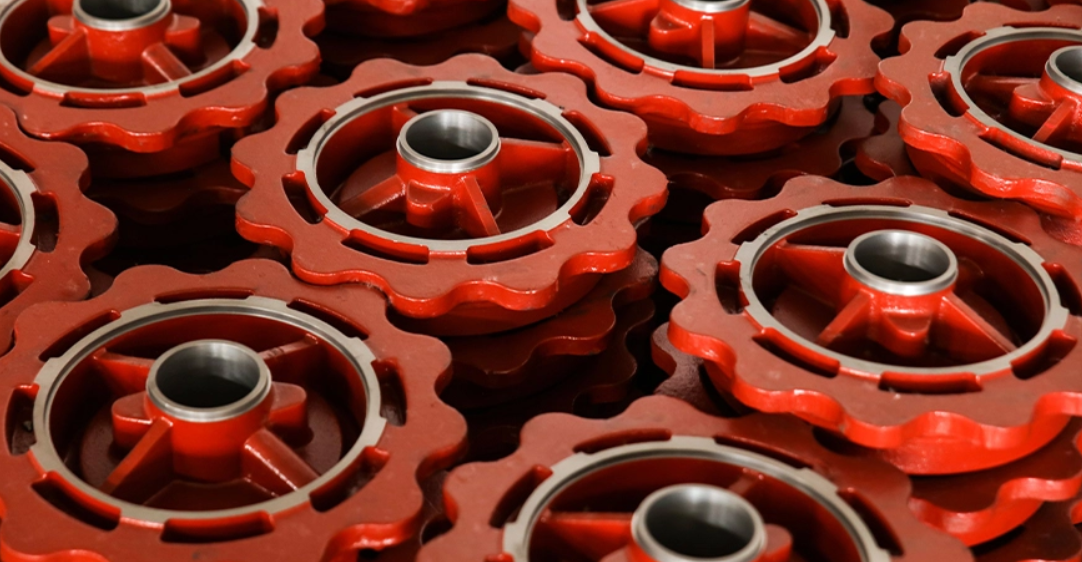
stainless steel precision casting
Applications of Stainless Steel Precision Casting
Stainless steel precision casting finds applications across numerous fields due to its adaptability and reliability.
- Aerospace Components such as turbine blades, valves, and structural parts are manufactured using this technique, where precision is paramount for safety and performance.
- Automotive Parts like engine components, transmission housings, and exhaust manifolds benefit from the robustness and precision of stainless steel castings.
- Medical Devices Stainless steel’s biocompatibility and resistance to sterilization processes make it an ideal choice for surgical instruments and implants.
- Industrial Equipment Various industrial applications require durable and corrosion-resistant components, which stainless steel precision casting readily provides.
Future Trends
The future of stainless steel precision casting looks promising, driven by advancements in technology. Innovations in 3D printing and computer-aided design (CAD) are expected to enhance the precision and efficiency of the casting process. Furthermore, the growing demand for lightweight and high-strength materials in various sectors will likely push the boundaries of stainless steel casting techniques.
Additionally, as industries continue to focus on sustainability, the reduced waste and high material efficiency of precision casting make it an attractive option for environmentally conscious manufacturers.
Conclusion
In summary, stainless steel precision casting is a sophisticated method that supports the creation of complex and high-quality components across a spectrum of industries. With its numerous advantages, ranging from material efficiency to exceptional precision, it is poised to remain a vital technology in the manufacturing landscape, paving the way for future innovations and applications. As industries evolve, stainless steel precision casting will continue to be at the forefront, meeting the demands of modern engineering and design challenges.
-
Choosing an Engine Storage Crate Cover for Material and EnvironmentNewsNov.23,2026
-
Cylinder Head Chamber Buyers: Check the Casting Specification FirstNewsNov.17,2026
-
How Impeller Casting Manufacturers Match Material, Process and EquipmentNewsNov.15,2026
-
Valve body vs. intake air chamber: Which casting fits your assembly?NewsNov.02,2026
-
Air Intake Chamber FAQ: Specifications, Ordering and Support QuestionsNewsOct.28,2026
-
Motorcycle Accessories FAQ: Specifications, Ordering and Support QuestionsNewsOct.24,2026










