English

Mobile:+86-311-8081-2683
Email:info@ydcastings.com
English
brass casting
Brass Casting An Age-Old Technique with Modern Applications
Brass casting is a fascinating and versatile metalworking process that has played a crucial role in various industries for centuries. Combining copper and zinc, brass is a corrosion-resistant and malleable alloy known for its excellent casting properties and aesthetic appeal. The process of brass casting involves creating a mold into which molten brass is poured, allowing it to cool and solidify into the desired shape. This article delves into the history, processes, applications, and future of brass casting.
The Historical Significance of Brass Casting
Brass casting dates back to ancient civilizations, where the alloy was used for coins, ornaments, and various tools. The earliest known use of brass was in Egypt around 300 B.C., where it was appreciated for its gold-like appearance. The Romans further advanced brass casting techniques, using it to produce a wide range of items, from weaponry to intricate art pieces. Over the centuries, brass became a preferred material due to its workability, resistance to corrosion, and beautiful finish.
During the Industrial Revolution, the demand for brass surged with the rise of machinery and manufacturing. Brass components became essential in various applications, including plumbing, electrical fittings, and decorative elements in architecture. The casting process evolved, incorporating new technologies and methods that improved efficiency and precision.
The Brass Casting Process
The brass casting process can be broken down into several key steps
1. Pattern Making The first step involves creating a pattern of the desired object, usually made from wood, metal, or plastic. This pattern serves as a template for the mold.
2. Mold Creation The pattern is used to create a mold, which can be made from various materials, including sand, metal, or ceramics. Sand casting is one of the most common methods, where the pattern is pressed into sand to form a cavity.
brass casting
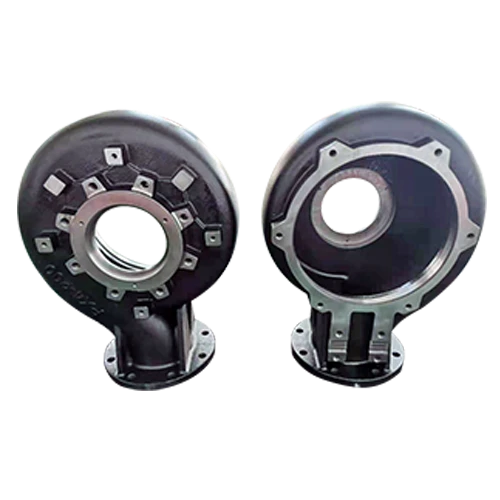
3. Melting the Brass The next step is to melt the brass alloy in a furnace. This requires reaching high temperatures, typically around 900 to 1,000 degrees Celsius. The molten brass should have the right composition to ensure desired mechanical properties and appearance.
4. Pouring Once the brass is molten, it is carefully poured into the mold. This requires precision to avoid defects such as air pockets or inclusions.
5. Cooling and Finishing After the brass has cooled and solidified, the mold is removed, and the casting is cleaned. Any excess material, known as flashing, is trimmed off, and the surface may be polished or coated to enhance its appearance.
Applications of Brass Casting
Brass casting has a wide range of applications across various industries. In architecture, brass is used for decorative elements like door handles, light fixtures, and railings, adding elegance and durability to structures. In the automotive industry, brass components are vital for fittings, valves, and connectors due to their excellent machinability and resistance to corrosion.
The musical instrument industry also benefits from brass casting. Instruments like trumpets, trombones, and saxophones are often made from brass, which produces a rich, vibrant sound. Additionally, the electrical industry relies on brass for connectors and terminals, owing to its conductivity and reliability.
The Future of Brass Casting
As technology advances, so does the brass casting industry. Innovations such as 3D printing and computer-aided design (CAD) have opened new avenues for creating intricate patterns and more complex designs. Moreover, sustainability is becoming a focal point, with efforts to recycle brass and reduce waste in the casting process.
In conclusion, brass casting is an age-old technique that continues to evolve with modern technology. Its rich history, coupled with its diverse applications and ongoing innovations, ensures that brass will remain a valuable material in numerous fields. Whether used for practical components or artistic creations, brass casting showcases the enduring appeal of this unique alloy. As industries strive for efficiency and sustainability, the future of brass casting looks promising, blending traditional craftsmanship with cutting-edge practices.
-
Choosing an Engine Storage Crate Cover for Material and EnvironmentNewsNov.23,2026
-
Cylinder Head Chamber Buyers: Check the Casting Specification FirstNewsNov.17,2026
-
How Impeller Casting Manufacturers Match Material, Process and EquipmentNewsNov.15,2026
-
Valve body vs. intake air chamber: Which casting fits your assembly?NewsNov.02,2026
-
Air Intake Chamber FAQ: Specifications, Ordering and Support QuestionsNewsOct.28,2026
-
Motorcycle Accessories FAQ: Specifications, Ordering and Support QuestionsNewsOct.24,2026










