English

Mobile:+86-311-8081-2683
Email:info@ydcastings.com
English
Design and Functionality of Surge Protection in Compressor Housing Systems
The Importance of Anti-Surge Compressor Housing in Modern Engineering
In the ever-evolving landscape of industrial engineering, the efficiency and reliability of compressors play a pivotal role across various sectors, from oil and gas to manufacturing and refrigeration. One of the critical components that contribute to the optimal functioning of compressors is the anti-surge compressor housing. Understanding the design, function, and advantages of anti-surge systems is essential for engineers and industry professionals aiming to enhance performance and operational safety.
Understanding Surge and Its Implications
Surge occurs when a compressor operates outside its intended range, typically due to changes in flow rate or pressure. This phenomenon can lead to unstable operation, causing vibration, noise, and potentially catastrophic failure. The consequences of surge can be significant, including costly downtime, expensive repairs, and even safety hazards for personnel. As a result, the design of compressor housings that can effectively mitigate surge phenomena has become a focal point in engineering practices.
The Role of Anti-Surge Compressor Housing
Anti-surge compressor housing is engineered to prevent the onset of surge by promoting stable flow conditions within the compressor
. The design typically includes various elements such as volutes, diffusers, and specially designed intake systems that work together to ensure a uniform flow of gases or fluids.A well-constructed anti-surge housing integrates advanced flow dynamics principles to maintain optimal pressure levels and velocities. By doing so, it allows the compressor to operate at lower pressures without risking the surge. The housing often features sensors and control systems that monitor operational parameters in real time, enabling instantaneous adjustments when deviations from ideal conditions are detected.
Benefits of Anti-Surge Solution
anti surge compressor housing
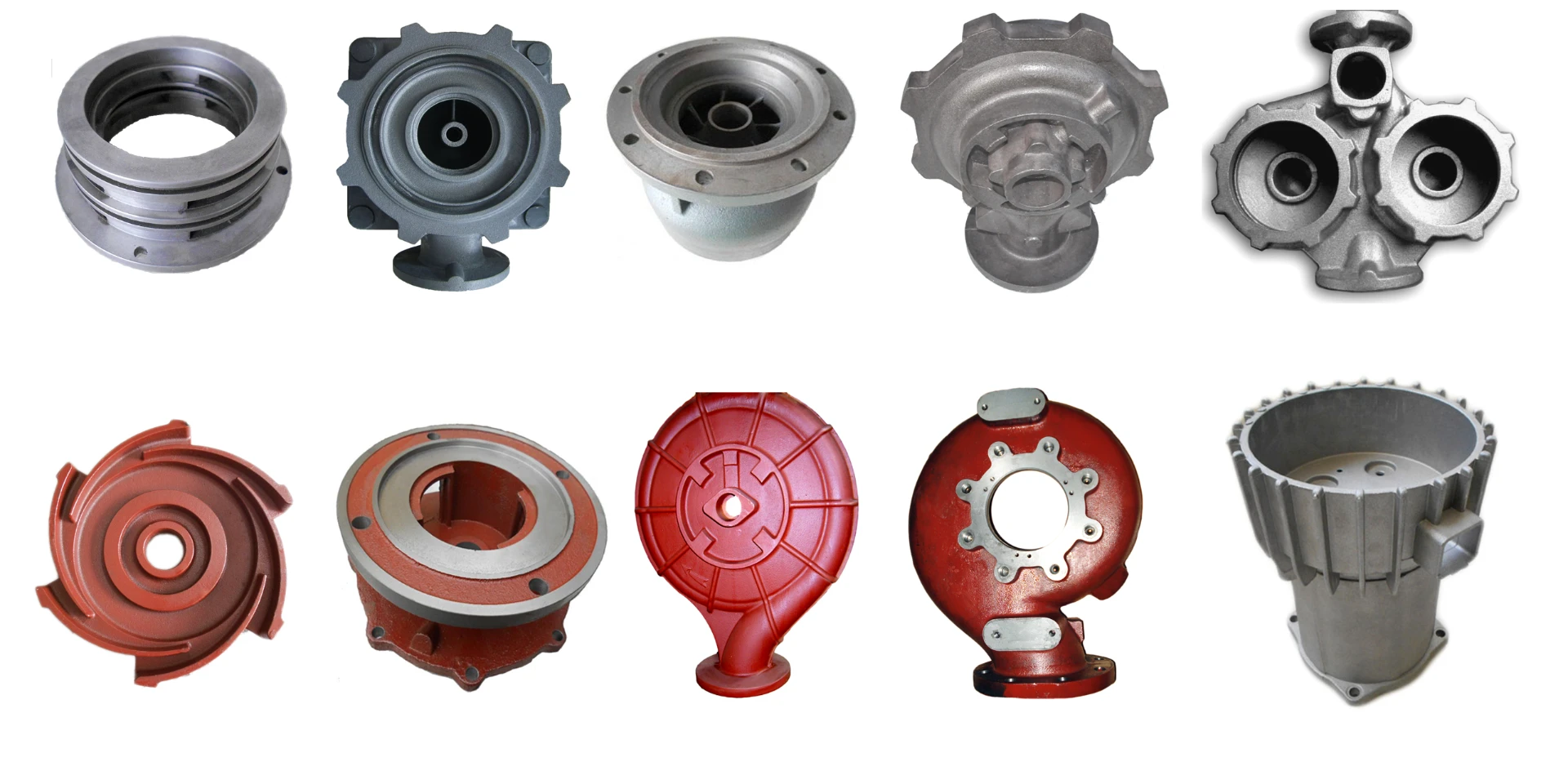
1. Enhanced Reliability The primary benefit of anti-surge compressor housing is increased reliability. By preventing surge conditions, these systems ensure that compressors can operate continuously without interruptions. This longevity is invaluable to industries that rely on consistent production processes.
2. Improved Efficiency Anti-surge housings contribute to the overall efficiency of compressor systems. By optimizing flow dynamics and minimizing pressure losses, the energy consumed by the compressor is reduced. This not only translates to lower operational costs but also contributes to environmental sustainability by minimizing energy waste.
3. Safety and Risk Mitigation Reducing the likelihood of surge-related failures enhances workplace safety. Anti-surge systems mitigate the risks associated with sudden pressure fluctuations that can lead to hazardous situations. As safety becomes an increasing priority in industrial operations, the incorporation of anti-surge compressor housing aligns with best practice standards.
4. Flexibility and Adaptability Modern compressor applications often require flexibility in operation due to variable loading conditions. Anti-surge features allow compressors to operate efficiently over a wider range of flow conditions, making them suitable for diverse applications. This adaptability is critical in industries such as petrochemicals, where process requirements can change rapidly.
5. Cost-Effectiveness in the Long Run Although the initial investment in anti-surge compressor housing may be higher, the long-term benefits outweigh costs. The reduction in maintenance expenses, minimized downtime, and extended equipment lifespan typically yield significant savings.
Conclusion
In conclusion, anti-surge compressor housing is an indispensable component in the design and operation of efficient and reliable compressor systems. Through improved flow dynamics and real-time monitoring, these systems prevent surge conditions, enhancing operational efficiency, safety, and reliability. As industries continue to prioritize efficiency and sustainability, the development and implementation of advanced anti-surge solutions will play a critical role in shaping the future of engineering practices. Investing in these technologies not only supports immediate operational goals but also aligns with the broader mission of achieving sustainable industrial practices.
-
Choosing an Engine Storage Crate Cover for Material and EnvironmentNewsNov.23,2026
-
Cylinder Head Chamber Buyers: Check the Casting Specification FirstNewsNov.17,2026
-
How Impeller Casting Manufacturers Match Material, Process and EquipmentNewsNov.15,2026
-
Valve body vs. intake air chamber: Which casting fits your assembly?NewsNov.02,2026
-
Air Intake Chamber FAQ: Specifications, Ordering and Support QuestionsNewsOct.28,2026
-
Motorcycle Accessories FAQ: Specifications, Ordering and Support QuestionsNewsOct.24,2026










