English

Mobile:+86-311-8081-2683
Email:info@ydcastings.com
English
Understanding the Process and Benefits of Die Casting in Manufacturing Techniques
What is Die Casting?
Die casting is a manufacturing process that enables the production of complex metal parts with high precision and a remarkable degree of surface finish. It is widely utilized in various industries, including automotive, aerospace, electronics, and consumer goods, due to its ability to create intricate shapes and reduce material waste. This article explores the die casting process, its advantages, applications, and considerations for manufacturers.
The Die Casting Process
The die casting process involves forcing molten metal into a mold or die under high pressure. This method can be executed in two primary ways hot chamber die casting and cold chamber die casting.
1. Hot Chamber Die Casting This method is typically used for metals with low melting points, like zinc, aluminum, and magnesium. In hot chamber die casting, the molten metal is kept in a chamber that is heated. A plunger then injects the molten metal into a mold cavity. This process is efficient for producing large quantities of small to medium-sized components quickly.
2. Cold Chamber Die Casting This technique is preferred for metals with higher melting points, such as aluminum. In this method, the molten metal is poured into the chamber separately and then forced into the mold by a plunger. Cold chamber die casting is generally slower and more energy-intensive than hot chamber die casting but allows for the production of larger and more robust components.
Once the molten metal is injected into the mold, it quickly solidifies under pressure. This high-pressure solidification process ensures that even the most intricate and detailed designs are captured flawlessly in the final product. The molds used in die casting are manufactured from high-quality steel, often heat-treated for increased durability, as they are designed to withstand the intense pressure and temperature involved in the process.
Advantages of Die Casting
Die casting offers several advantages over other metal forming processes
- Precision and Complexity Die casting can produce highly complex shapes with minimal finishing required. The process achieves tight tolerances, making it suitable for detailed designs.
- Material Efficiency The precision of die casting minimizes material waste. Excess metal can often be reused, further enhancing material efficiency.
- Fast Production Rates Once the dies are made, the production process can be rapid, resulting in high volumes of parts produced within relatively short timeframes.
- Superior Surface Finish Components produced through die casting often feature smoother surfaces compared to other manufacturing methods. This characteristic makes them ideal for aesthetic applications.
what is diecasting
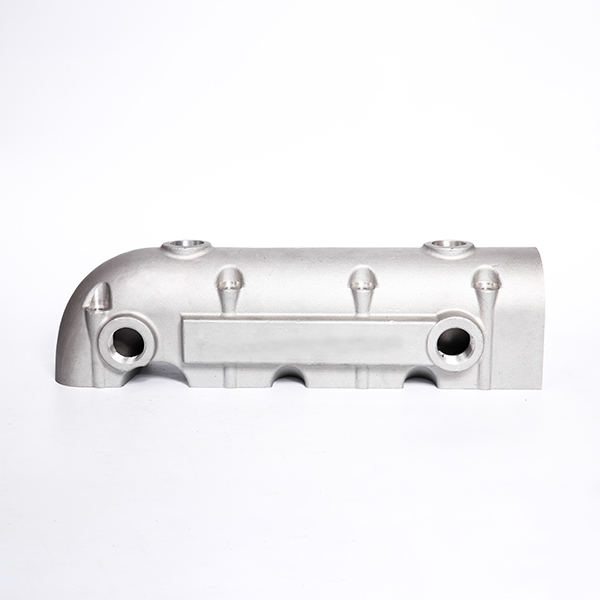
- Strength and Durability The high pressure used in die casting contributes to the strength and integrity of the finished parts, making them suitable for demanding applications.
Applications of Die Casting
Die casting is prominently used in various sectors
- Automotive Industry The automotive sector capitalizes on die casting for producing engine components, transmission cases, and other structural parts that require strength and precision.
- Aerospace Industry Components such as housings, brackets, and fittings that require high strength-to-weight ratios benefit from die casting.
- Consumer Products Everyday items, including appliances, electronic casings, and furniture hardware, utilize die casting for their intricate designs and durable finishes.
- Industrial Equipment Many machinery parts and tools are manufactured through die casting, ensuring durability and reliability in heavy-duty applications.
Considerations for Manufacturers
While die casting offers numerous benefits, there are certain considerations manufacturers must keep in mind
- Initial Costs The cost of creating high-quality dies can be significant, which may deter small-scale production runs. However, the investment often pays off for large-scale operations.
- Material Limitations The process is typically limited to specific metals, primarily zinc, aluminum, and magnesium. Each of these materials has its advantages and disadvantages.
- Design Parameters Parts must be designed with the die casting process in mind. Features like undercuts can complicate the design and may require additional engineering considerations.
In conclusion, die casting is a versatile and efficient manufacturing method that plays a crucial role in producing precise and complex metal components across various industries. With its numerous advantages, it continues to be a preferred choice for manufacturers aiming to achieve high-quality results and meet the growing demands of modern production. The continued advancement in die casting technology promises to enhance its capabilities and expand its applications even further in the future.
-
Choosing an Engine Storage Crate Cover for Material and EnvironmentNewsNov.23,2026
-
Cylinder Head Chamber Buyers: Check the Casting Specification FirstNewsNov.17,2026
-
How Impeller Casting Manufacturers Match Material, Process and EquipmentNewsNov.15,2026
-
Valve body vs. intake air chamber: Which casting fits your assembly?NewsNov.02,2026
-
Air Intake Chamber FAQ: Specifications, Ordering and Support QuestionsNewsOct.28,2026
-
Motorcycle Accessories FAQ: Specifications, Ordering and Support QuestionsNewsOct.24,2026










