English

Mobile:+86-311-8081-2683
Email:info@ydcastings.com
English
Understanding the Function and Design of Blower Impellers in HVAC Systems
The Importance of Blower Impellers in Industrial Applications
In numerous industrial applications, the efficiency and performance of air movement are critical factors that influence overall operational effectiveness. At the heart of these systems lies the blower impeller, a vital component responsible for converting rotational energy into airflow. Understanding the design, function, and types of blower impellers can significantly enhance system efficiency and longevity.
What is a Blower Impeller?
A blower impeller is a rotating component in centrifugal and positive displacement blowers that accelerates air or gas, creating a pressure differential that facilitates airflow. The design of the impeller directly impacts the blower's ability to move air efficiently, and variations in its shape and size can cater to different application requirements. Impellers are typically made from durable materials such as aluminum, stainless steel, or composite materials, ensuring they can withstand the stresses of high-speed operation.
Types of Blower Impellers
1. Centrifugal Impellers These impellers utilize centrifugal force to increase the speed of air or gas. They are characterized by their curved blades, which direct the flow outward from the center. Centrifugal impellers are known for their efficiency and are commonly used in HVAC systems, cooling towers, and industrial ventilation.
2. Positive Displacement Impellers In contrast to centrifugal impellers, positive displacement impellers trap a fixed volume of air and force it into the discharge outlet. These include rotary lobe and screw-type impellers. They are often used in applications requiring consistent airflow, such as pneumatic conveying systems and medical devices.
3. Airfoil Impellers Designed with an aerodynamic profile, airfoil impellers minimize drag while maximizing airflow. This type is particularly useful in high-performance environments like aerospace applications, where efficiency and weight savings are paramount.
Factors Influencing Impeller Selection
When selecting a blower impeller for a specific application, several factors must be considered
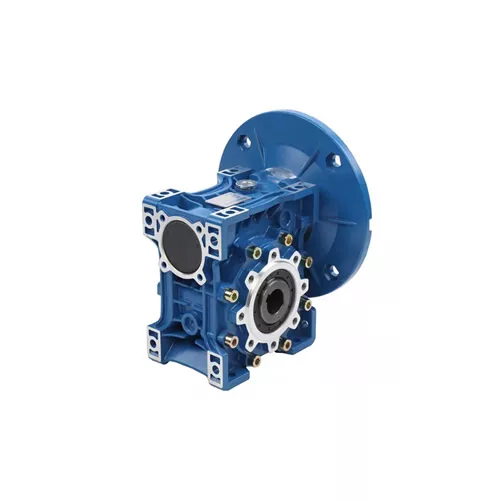
blower impeller
- Airflow Requirements The volume of air needed and the desired pressure increase will determine the impeller type and size. It's essential to match the impeller design to these specifications for optimal performance.
- Operating Conditions Temperature, humidity, and the presence of contaminants can affect material choice and design. For example, corrosive environments might necessitate stainless steel construction, while high temperatures may require specialized coatings.
- Noise Levels Some applications demand quieter operations. Impeller designs can be optimized to minimize noise, making it crucial to select the right configuration to suit such requirements.
The Impact of Impeller Design on Efficiency
The efficiency of a blower system is heavily influenced by the impeller's design. A well-optimized impeller can significantly reduce energy consumption while maintaining the desired airflow. Advanced computational fluid dynamics (CFD) tools are often used during the design process to simulate airflow patterns and optimize blade shapes, leading to improved performance.
Maintenance and Longevity
Regular maintenance of the blower impeller is crucial for ensuring longevity and consistent performance. This includes inspecting for wear, corrosion, and imbalance, which can cause vibrations leading to premature failure. Proper lubrication and alignment also play a pivotal role in extending the lifespan of the impeller.
Conclusion
Blower impellers are indispensable components in a wide range of industrial applications, facilitating efficient air movement critical for operation. By understanding their types, functions, and the factors influencing their selection, industries can improve performance while reducing operational costs. Proper maintenance ensures these impellers function effectively, ultimately enhancing the overall efficiency and reliability of blower systems. As industries continue to evolve, the role of blower impellers will remain significant, adapting to new technologies and applications to meet the demands of the future.
-
Choosing an Engine Storage Crate Cover for Material and EnvironmentNewsNov.23,2026
-
Cylinder Head Chamber Buyers: Check the Casting Specification FirstNewsNov.17,2026
-
How Impeller Casting Manufacturers Match Material, Process and EquipmentNewsNov.15,2026
-
Valve body vs. intake air chamber: Which casting fits your assembly?NewsNov.02,2026
-
Air Intake Chamber FAQ: Specifications, Ordering and Support QuestionsNewsOct.28,2026
-
Motorcycle Accessories FAQ: Specifications, Ordering and Support QuestionsNewsOct.24,2026










