English

Mobile:+86-311-8081-2683
Email:info@ydcastings.com
English
Designing a 3% V-Band Connection for T4 Elbow Applications in Performance Engineering
Understanding the 3% V-Band to T4 Elbow Transition
In the world of plumbing, HVAC systems, and various industrial applications, the efficient transfer of fluids or gases is paramount. One of the key components that facilitates this transfer is the elbow joint, which is used to connect two segments of piping at an angle. Among the various options available, the 3% V-band to T4 elbow transition has garnered attention for its suitability in specific applications. This article explores the details of this transition, its benefits, and potential uses.
A 3% V-band coupling refers to a type of connection that uses a V-shaped band to secure two pipe ends together, offering a reliable and leak-proof seal. This coupling is particularly advantageous because it allows for slight misalignments between pipe segments, which can often occur during installation or as a result of thermal expansion and contraction. The V-band's design provides flexibility, enabling easier adjustments without compromising the integrity of the seal.
Understanding the 3% V-Band to T4 Elbow Transition
Transitioning from a 3% V-band joint to a T4 elbow presents several advantages. One significant benefit is the improved flow characteristics. The gradual contour of the T4 elbow ensures reduced turbulence and pressure loss, enhancing the overall efficiency of the piping system. This is particularly important in systems where maintaining pressure and flow rate is critical, such as in chemical processing or high-performance automotive applications.
3 v band to t4 elbow
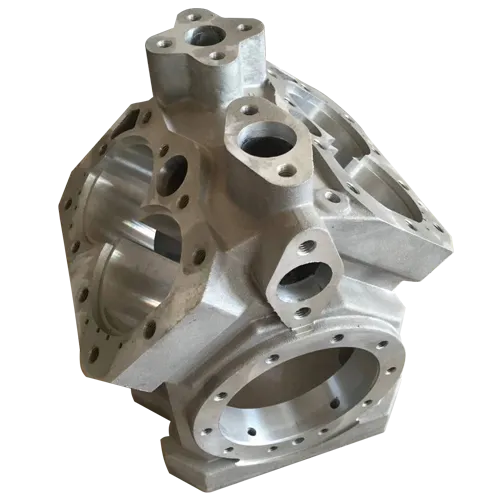
The compatibility of a 3% V-band coupling with a T4 elbow also allows for a seamless transition between different systems or components. For instance, in a complete exhaust system for a performance vehicle, this transition enables the integration of various parts—such as the turbocharger, downpipe, and exhaust pipes—without the need for complex modifications or custom fabrications. This adaptability not only saves time during installation but also minimizes costs associated with bespoke components.
Installation of a 3% V-band to T4 elbow is relatively straightforward, particularly for skilled technicians familiar with these components. The V-band allows for quick clamping, ensuring a tight seal that reduces the risk of leaks. It's crucial, however, to ensure that the alignment between the V-band connection and the T4 elbow is precise to avoid any unnecessary stress on the joints, which could lead to premature failure.
Another aspect worth considering is the material selection for both the V-band and T4 elbow. High-quality materials, such as stainless steel or high-grade alloys, can significantly enhance the durability and corrosion resistance of the components, making them suitable for applications in harsh environments. This is particularly important for systems exposed to chemicals or extreme temperatures, as proper material choice can extend the lifespan of the entire piping system.
In conclusion, the transition from a 3% V-band coupling to a T4 elbow offers several benefits, including improved flow dynamics, ease of installation, and adaptability for various systems. Whether in the automotive sector, chemical processing, or HVAC applications, this transition can optimize performance and reliability. As industries continue to evolve and seek efficient solutions, understanding the nuances of such components will remain crucial for engineers and technicians alike.
-
Choosing an Engine Storage Crate Cover for Material and EnvironmentNewsNov.23,2026
-
Cylinder Head Chamber Buyers: Check the Casting Specification FirstNewsNov.17,2026
-
How Impeller Casting Manufacturers Match Material, Process and EquipmentNewsNov.15,2026
-
Valve body vs. intake air chamber: Which casting fits your assembly?NewsNov.02,2026
-
Air Intake Chamber FAQ: Specifications, Ordering and Support QuestionsNewsOct.28,2026
-
Motorcycle Accessories FAQ: Specifications, Ordering and Support QuestionsNewsOct.24,2026










