English

Mobile:+86-311-8081-2683
Email:info@ydcastings.com
English
aluminum melting
Understanding Aluminum Melting Processes, Techniques, and Applications
Aluminum is one of the most widely used metals in various industries, thanks to its lightweight, strength, and corrosion resistance. However, before aluminum can be crafted into the products we use every day, it must undergo melting. The process of aluminum melting is crucial in the aluminum manufacturing industry, serving as the foundation for casting, recycling, and alloying.
The Melting Process
Melting aluminum involves heating the solid metal to its melting point, which is approximately 660 degrees Celsius (1220 degrees Fahrenheit). This process is essential for transforming solid aluminum into a molten state, allowing it to be poured into molds for casting, or to be combined with other materials to create alloys tailored for specific applications.
Aluminum melting can occur through various techniques, with the most common methods being induction melting, resistance melting, and crucible melting. Each of these techniques has its own advantages and is chosen based on the desired outcome and scale of production.
Induction Melting is widely used in industrial settings. This technique uses electromagnetic induction to heat the aluminum. A coil generates an alternating magnetic field, inducing an electric current in the aluminum, which in turn heats the metal to its melting point. This method is highly efficient, energy-saving, and allows for precise temperature control, making it an optimal choice for large-scale aluminum melting operations.
Resistance Melting relies on the electrical resistance of the aluminum itself. When a current is passed through the aluminum, the resistance generates heat, eventually melting the metal. This method is typically used for smaller batches and is less common in large-scale operations due to slower melting rates.
Crucible Melting involves heating aluminum in a container made of refractory material. It’s a traditional method that is still prevalent, especially in smaller foundries. The crucible is heated using a furnace, and while this method is relatively simple, it may not be as efficient as induction melting for large quantities.
aluminum melting
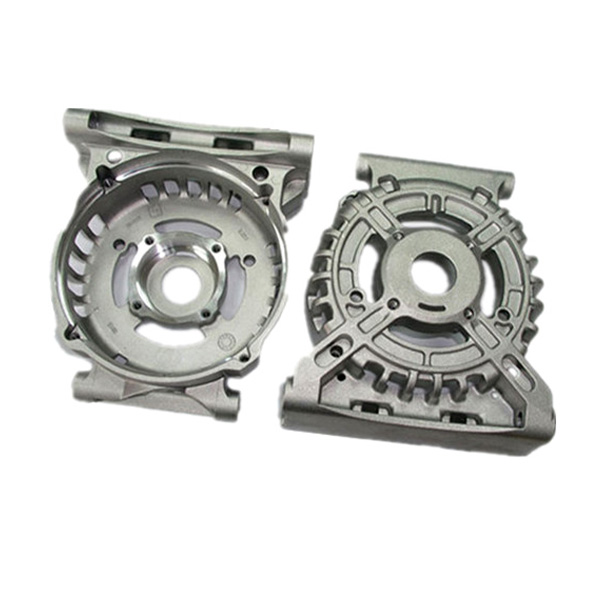
Importance of Recycling
One of the most significant aspects of aluminum melting is its role in recycling. Aluminum is one of the few metals that can be recycled indefinitely without losing its properties. The recycling process typically involves collecting scrap aluminum, cleaning it, and then melting it down for reuse. This process not only conserves natural resources but also saves energy; recycling aluminum consumes about 95% less energy compared to producing new aluminum from ore.
Applications of Melted Aluminum
Melted aluminum is the cornerstone of various applications. Once in a molten state, aluminum can be cast into different shapes, from airplane components to car parts, to consumer goods like cans and packaging. The ability to mold aluminum into precise shapes allows manufacturers to produce intricate designs while maintaining strength and reducing weight.
Furthermore, melted aluminum is crucial for creating advanced aluminum alloys. By combining aluminum with elements like copper, magnesium, and silicon, manufacturers can enhance specific properties, achieving performance characteristics suited for aerospace, automotive, and construction sectors.
Conclusion
In conclusion, the melting of aluminum is a sophisticated process that serves as the backbone of the aluminum industry. The ability to efficiently melt and recycle aluminum not only supports manufacturing but also fosters sustainability practices critical in today’s environment. As technology advances, the methods of aluminum melting continue to evolve, paving the way for innovative applications and solutions in various fields. Understanding the melting process and its implications is essential for anyone interested in the metal's lifecycle and its vast industrial applications.
-
Choosing an Engine Storage Crate Cover for Material and EnvironmentNewsNov.23,2026
-
Cylinder Head Chamber Buyers: Check the Casting Specification FirstNewsNov.17,2026
-
How Impeller Casting Manufacturers Match Material, Process and EquipmentNewsNov.15,2026
-
Valve body vs. intake air chamber: Which casting fits your assembly?NewsNov.02,2026
-
Air Intake Chamber FAQ: Specifications, Ordering and Support QuestionsNewsOct.28,2026
-
Motorcycle Accessories FAQ: Specifications, Ordering and Support QuestionsNewsOct.24,2026










