English

Mobile:+86-311-8081-2683
Email:info@ydcastings.com
English
Cooling Fan Impeller Design for Enhanced Motor Performance and Efficiency
Understanding Motor Cooling Fan Impellers Design, Function, and Importance
Motor cooling fans play a pivotal role in maintaining the efficiency and longevity of various systems, from small electronic devices to large industrial machinery. At the heart of these cooling systems lies the impeller — a crucial component that drives the movement of air and helps regulate temperature. Understanding the design, function, and significance of motor cooling fan impellers is essential for both manufacturers and users alike.
What is an Impeller?
An impeller is a rotating component of a centrifugal pump or fan that enhances the flow of fluid — in this case, air. In cooling fans, the impeller converts rotational energy into kinetic energy, causing air to move in a specific direction. Typically made from materials like plastic, metal, or composite materials, impellers come in various shapes and sizes tailored to specific applications.
Design Considerations
The design of a cooling fan impeller is influenced by multiple factors, including the intended application, desired airflow, and efficiency requirements. The geometry of the blades, for instance, affects how much air is moved and how effectively it cools the targeted component.
1. Blade Shape Different blade shapes (such as straight, curved, or angled) can have significant impacts on airflow and pressure. Curved blades, for example, tend to create a smoother airflow, enhancing efficiency and reducing noise.
2. Number of Blades The number of blades on an impeller is another critical design aspect. More blades generally mean higher airflow but can also increase noise and energy consumption. Conversely, fewer blades might improve efficiency and decrease the system's weight.
3. Diameter and Size The size of the impeller directly influences airflow rates. Larger impellers can move more air but may require more energy to spin, making size a crucial consideration in balancing performance with energy efficiency.
4. Material Choice The choice of material affects durability, weight, and noise levels. For instance, plastic impellers are lightweight and cost-effective but may not withstand high temperatures as well as metal ones. Composite materials can offer a blend of desirable properties, including strength and weight savings.
motor cooling fan impeller
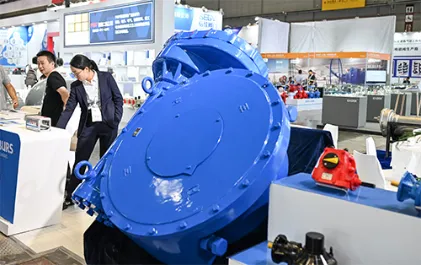
Functionality of Impellers
The primary function of a motor cooling fan impeller is to create airflow that directs heat away from components like motors, CPUs, or power transistors
. This cooling mechanism is vital in preventing overheating, which can lead to performance issues or even catastrophic failures.When the impeller rotates, it draws in ambient air through its intake and expels it over the components, enhancing heat dissipation. The effectiveness of this cooling strategy depends on the impeller's design and how well it integrates with the entire cooling system.
Importance in Various Applications
Motor cooling fan impellers are critical in different fields, including consumer electronics, automotive industries, and industrial processes
1. Consumer Electronics In devices such as computers and gaming consoles, efficient cooling is necessary to maintain performance during prolonged use. Impellers help manage heat, thereby ensuring that devices operate within safe temperature ranges.
2. Automotive Applications In vehicles, cooling fan impellers assist in regulating engine temperature. They prevent overheating, which can lead to engine failure and costly repairs.
3. Industrial Machinery Heavy machinery often generates significant heat during operation. Impellers in industrial cooling fans ensure that optimal operating temperatures are maintained, enhancing performance and durability.
Conclusion
Motor cooling fan impellers are integral to the effective management of heat in various applications. Their design, functionality, and materials play a crucial role in ensuring safe and efficient operation across a multitude of industries. As technology advances and efficiency demands increase, the development of innovative impeller designs will continue to be vital in meeting these challenges. Understanding the intricacies of these components is essential for anyone involved in the engineering, manufacturing, or maintenance of cooling systems, as it directly impacts performance, reliability, and longevity.
-
Choosing an Engine Storage Crate Cover for Material and EnvironmentNewsNov.23,2026
-
Cylinder Head Chamber Buyers: Check the Casting Specification FirstNewsNov.17,2026
-
How Impeller Casting Manufacturers Match Material, Process and EquipmentNewsNov.15,2026
-
Valve body vs. intake air chamber: Which casting fits your assembly?NewsNov.02,2026
-
Air Intake Chamber FAQ: Specifications, Ordering and Support QuestionsNewsOct.28,2026
-
Motorcycle Accessories FAQ: Specifications, Ordering and Support QuestionsNewsOct.24,2026










