English

Mobile:+86-311-8081-2683
Email:info@ydcastings.com
English
aluminum gravity die casting
Aluminum Gravity Die Casting A Comprehensive Overview
Aluminum gravity die casting is a widely employed manufacturing process known for producing high-quality aluminum components with intricate geometries. This technique utilizes gravity to fill a mold with molten aluminum, making it an efficient and cost-effective method, especially for medium to high volume production.
The gravity die casting process begins with the creation of a mold, typically made from steel or iron. These molds are designed to withstand the high temperatures of molten aluminum and can be reused multiple times, making the process economically viable. The mold consists of two halves that are clamped together, ensuring that no aluminum can escape during the casting process.
Once the mold is prepared, aluminum is melted in a furnace. The molten aluminum is then poured into the mold cavity, where it fills the shape of the design. Gravity plays a crucial role here; as the aluminum flows into the mold, it takes the shape of the cavity, cooling and solidifying to form a finished part. This method allows for greater control over the pouring process, reducing the chances of defects such as air bubbles and voids.
aluminum gravity die casting
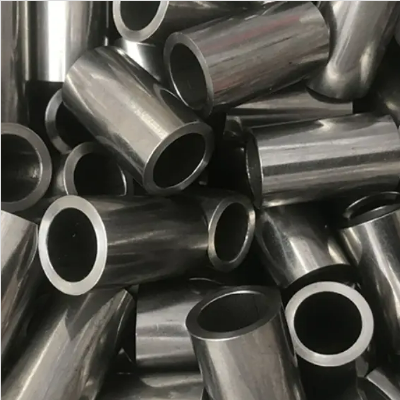
One of the primary advantages of aluminum gravity die casting is its ability to produce complex shapes with excellent surface finish and dimensional accuracy. The process accommodates various intricate designs that would be challenging to achieve with other casting methods, such as sand casting. Moreover, aluminum's lightweight nature ensures that the finished products are not only strong but also reduce overall weight, making them ideal for industries like automotive and aerospace.
Additionally, aluminum gravity die casting supports various secondary operations, including machining, surface treatment, and assembly. This versatility makes it suitable for a broad range of applications—from engine components and housings to various structural parts in vehicles.
Despite its many benefits, there are limitations to aluminum gravity die casting. For instance, it may not be suitable for very large parts or components requiring extremely thin walls. Furthermore, the initial costs of creating high-quality molds can be substantial, which may not be economical for low-volume production runs.
In conclusion, aluminum gravity die casting stands out as a reliable and efficient technique for manufacturing high-quality aluminum components. Its ability to create complex shapes with excellent finish and precision makes it a preferred option in various industries. As technology continues to advance, the process is likely to evolve, offering even more possibilities for innovation in manufacturing. With its combination of quality, efficiency, and cost-effectiveness, aluminum gravity die casting remains a pivotal process in modern engineering and production.
-
Choosing an Engine Storage Crate Cover for Material and EnvironmentNewsNov.23,2026
-
Cylinder Head Chamber Buyers: Check the Casting Specification FirstNewsNov.17,2026
-
How Impeller Casting Manufacturers Match Material, Process and EquipmentNewsNov.15,2026
-
Valve body vs. intake air chamber: Which casting fits your assembly?NewsNov.02,2026
-
Air Intake Chamber FAQ: Specifications, Ordering and Support QuestionsNewsOct.28,2026
-
Motorcycle Accessories FAQ: Specifications, Ordering and Support QuestionsNewsOct.24,2026










