English

Mobile:+86-311-8081-2683
Email:info@ydcastings.com
English
open mold casting
Open Mold Casting A Comprehensive Overview
Open mold casting is a versatile and popular method used in the metalworking industry for producing components with intricate shapes and designs. This casting technique is particularly celebrated for its simplicity, cost-effectiveness, and the quality of the final product. In this article, we will explore the fundamental principles of open mold casting, its applications, advantages, and some considerations to bear in mind.
At its core, open mold casting involves pouring molten metal into a mold that is open at the top, allowing for easy access during the casting process. The mold can be constructed from various materials, including metal, sand, or plaster, depending on the specific application and requirements of the casting. One common example of open mold casting is the sand casting process, where a mixture of sand and a bonding agent is shaped into a mold. The molten metal is then poured into the cavity created by the mold, where it cools and solidifies.
One of the main attractions of open mold casting is its ability to create complex geometries that might be challenging to achieve with other manufacturing methods. This makes it a favored choice for producing custom parts, prototypes, or limited runs of specialized components. Industries such as automotive, aerospace, and artistic sculpting harness open mold casting for creating intricate metal designs and functional parts.
Open mold casting can accommodate a wide range of metals, including aluminum, bronze, and iron, making it suitable for a variety of applications. The casting process can be modified to suit the desired characteristics of the final product, including strength, weight, and surface finish. For instance, different pouring techniques and cooling methods can be employed to refine the properties of the casting.
open mold casting
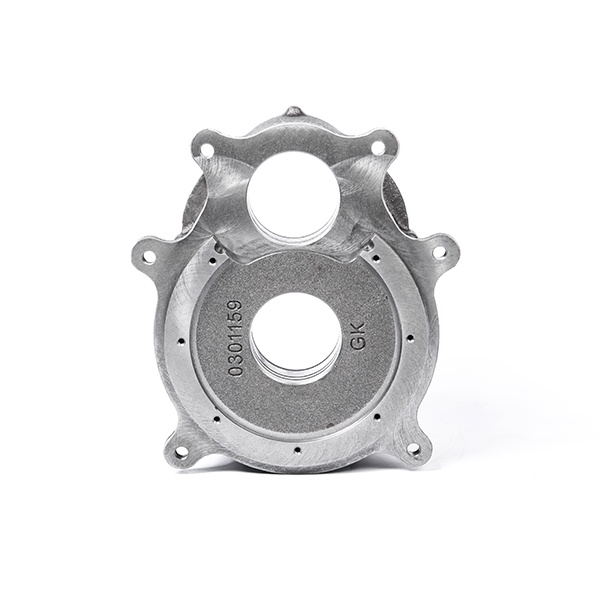
In terms of advantages, open mold casting offers several key benefits. Firstly, it is a relatively low-cost process, particularly when compared to more advanced casting methods such as investment casting. The materials required are often inexpensive, and the overall setup can be less labor-intensive. Moreover, open mold casting allows for quick turnaround times, which can be crucial for projects with tight deadlines or those that require rapid prototyping.
Another significant advantage of open mold casting is its adaptability. It can be easily adjusted to accommodate a range of design specifications and material types. This flexibility makes it an ideal choice for industries that demand customization and innovation, as well as for artisans looking to create unique pieces of art.
However, despite its many benefits, there are some considerations that must be taken into account when opting for open mold casting. One limitation is the potential for surface defects, such as sand inclusion or porosity, which can affect the quality of the final product. Additionally, the dimensional accuracy achieved by open mold casting is typically not as high as that of more precision-driven methods, such as die casting.
Furthermore, the open mold casting process can sometimes result in variations in material properties if not managed carefully. Factors such as cooling rates and mold design can significantly influence the performance characteristics of the final casting. Therefore, it is essential for foundry professionals to have a thorough understanding of the materials and processes involved to mitigate these issues effectively.
In conclusion, open mold casting is a widely utilized and efficient method for producing a broad range of metal components. Its advantages, including cost-effectiveness, flexibility, and capability for intricate designs, make it a popular choice in various industries. While there are considerations regarding surface quality and dimensional accuracy, advancements in techniques and materials continue to enhance the effectiveness of open mold casting. Whether for industrial applications or artistic endeavors, open mold casting remains a fundamental process in the realm of metal fabrication.
-
Choosing an Engine Storage Crate Cover for Material and EnvironmentNewsNov.23,2026
-
Cylinder Head Chamber Buyers: Check the Casting Specification FirstNewsNov.17,2026
-
How Impeller Casting Manufacturers Match Material, Process and EquipmentNewsNov.15,2026
-
Valve body vs. intake air chamber: Which casting fits your assembly?NewsNov.02,2026
-
Air Intake Chamber FAQ: Specifications, Ordering and Support QuestionsNewsOct.28,2026
-
Motorcycle Accessories FAQ: Specifications, Ordering and Support QuestionsNewsOct.24,2026










