Mobile:+86-311-808-126-83
Email:info@ydcastings.com

Jun . 22, 2024 04:07
Back to list
Aluminum Casting Plant
Aluminum Casting Factory A Comprehensive Guide
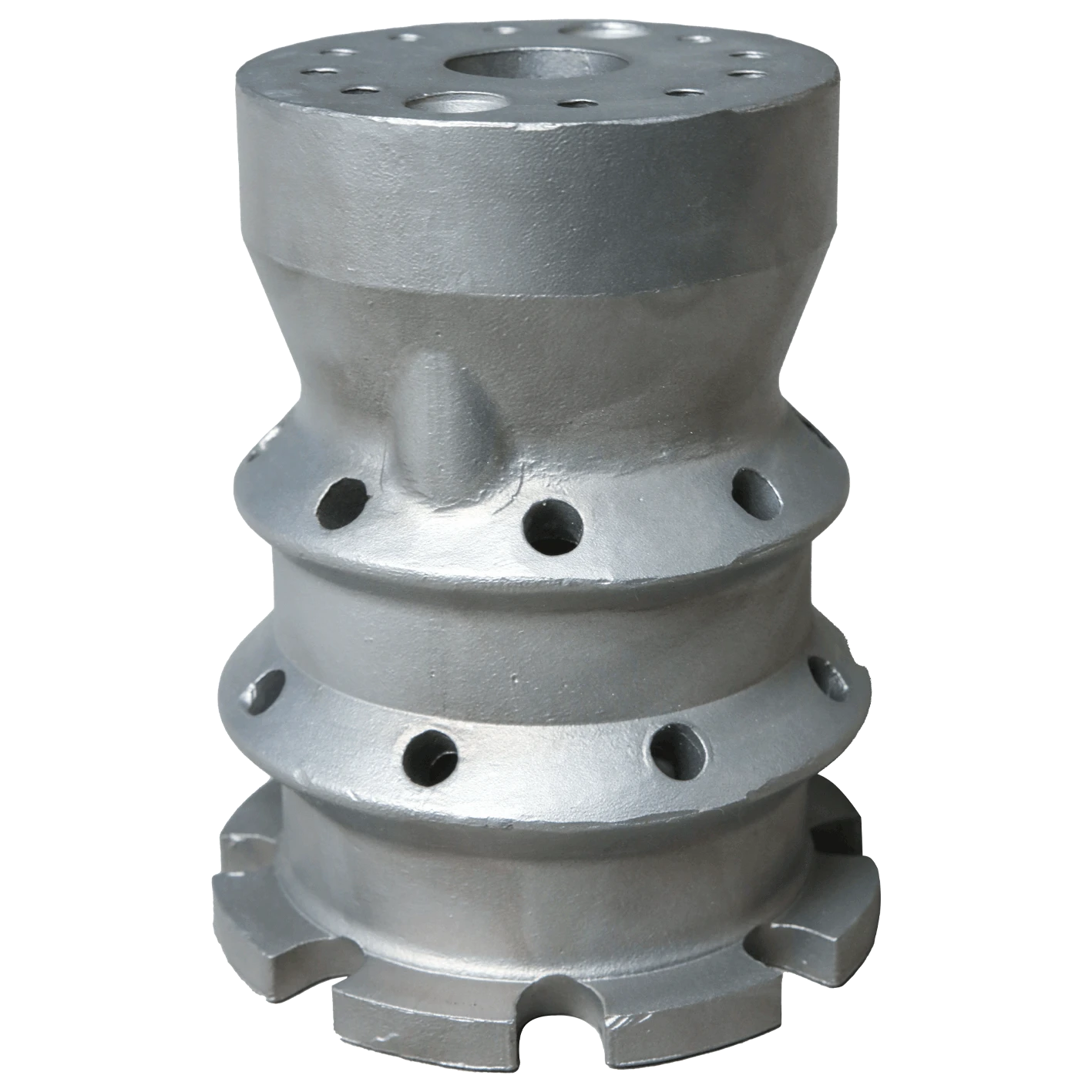
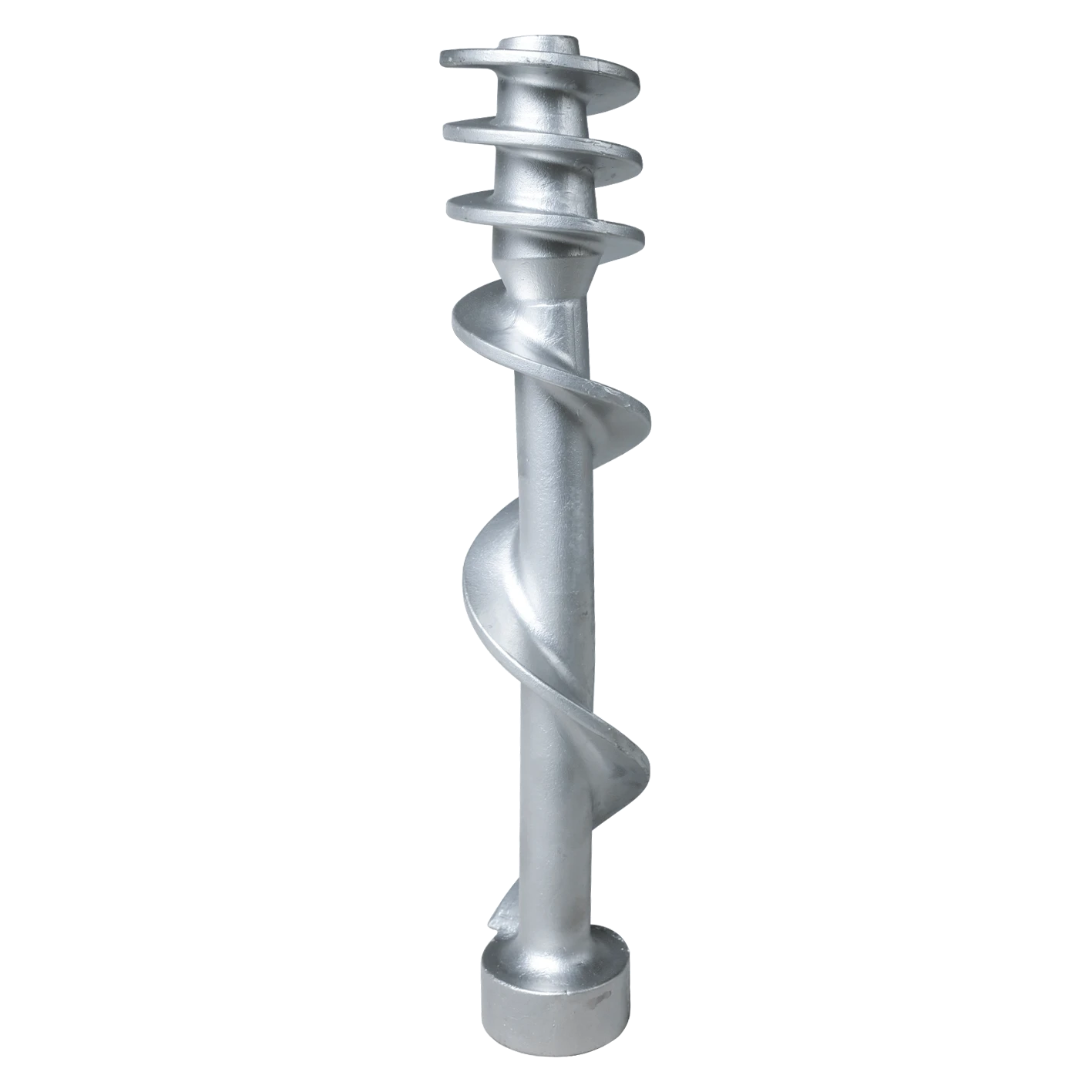
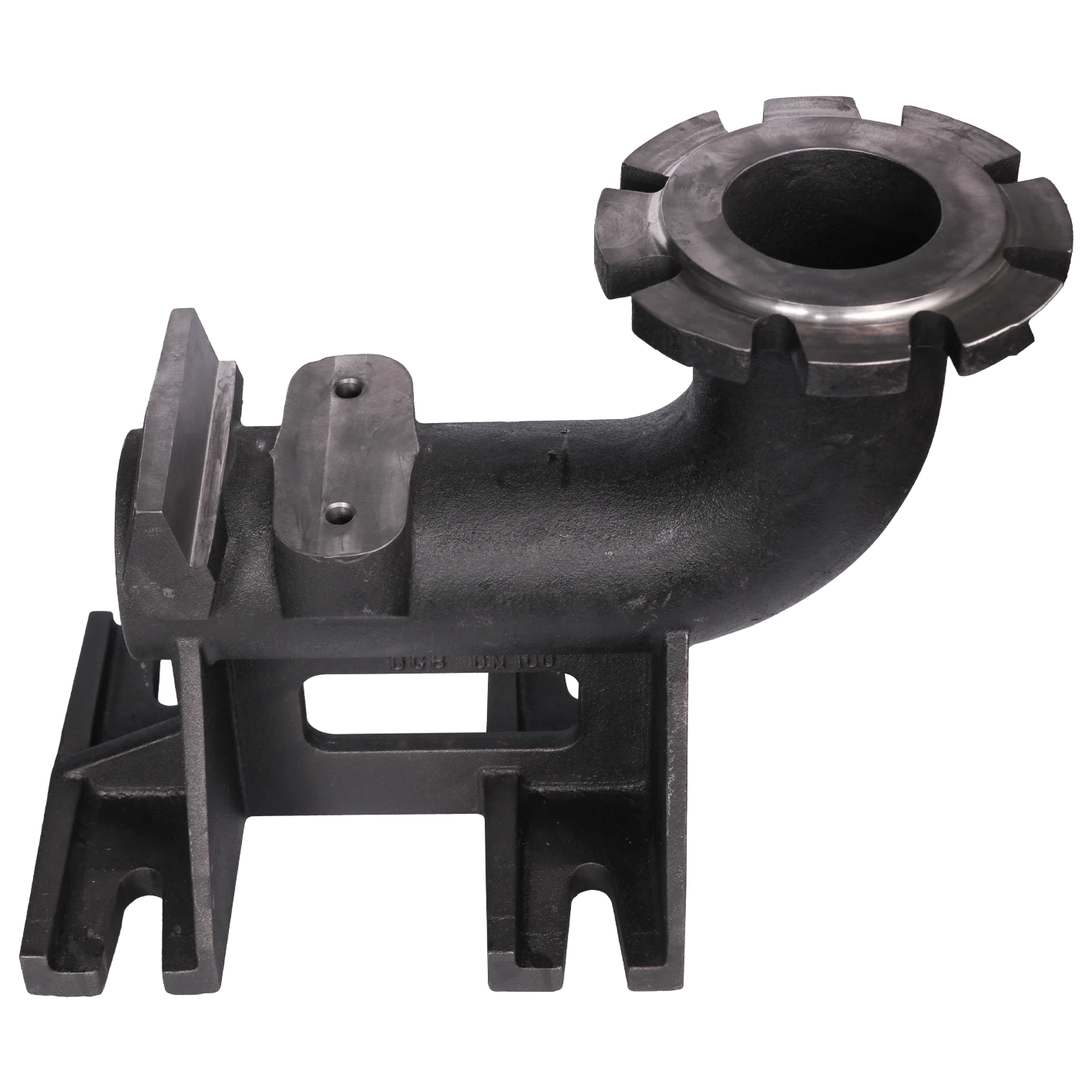
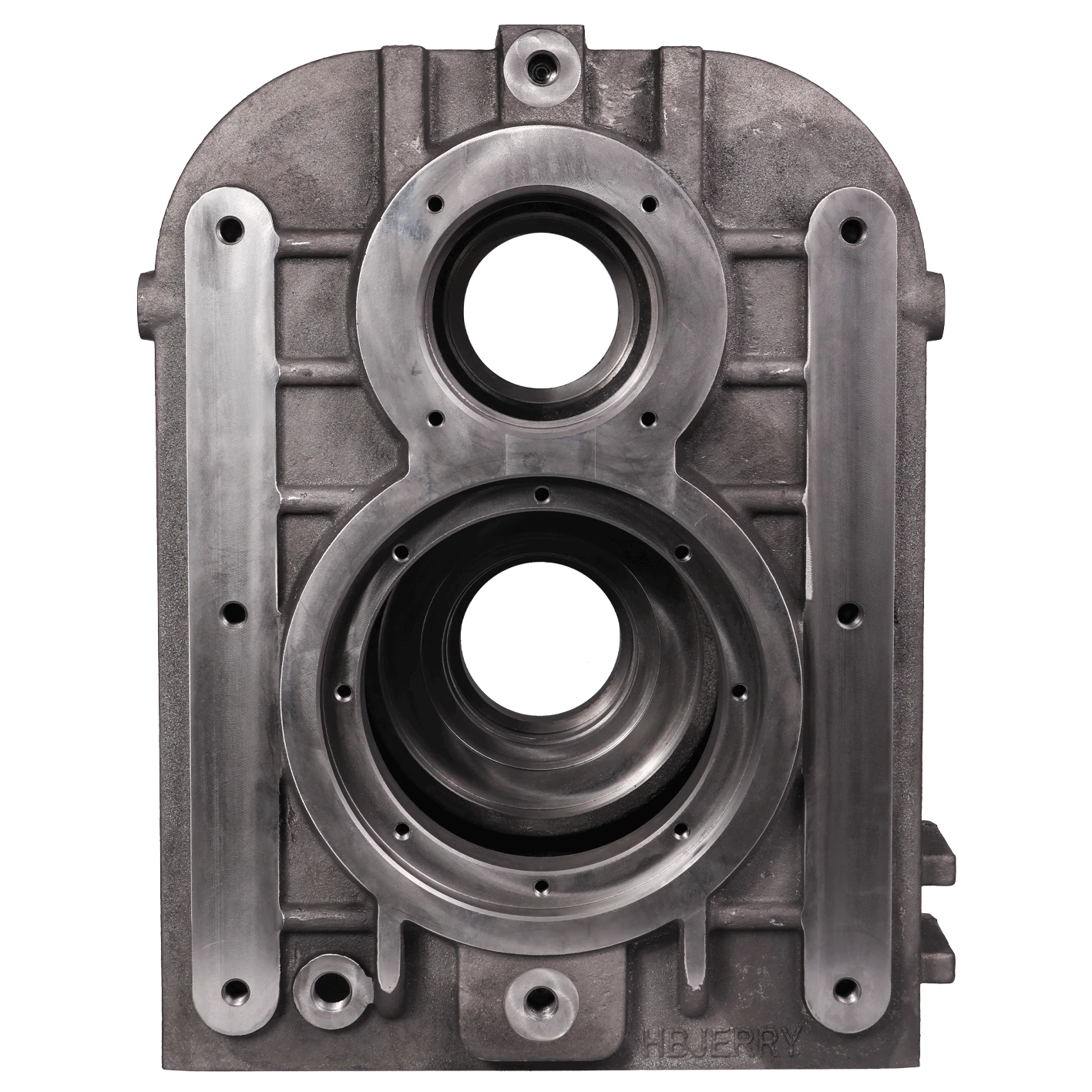
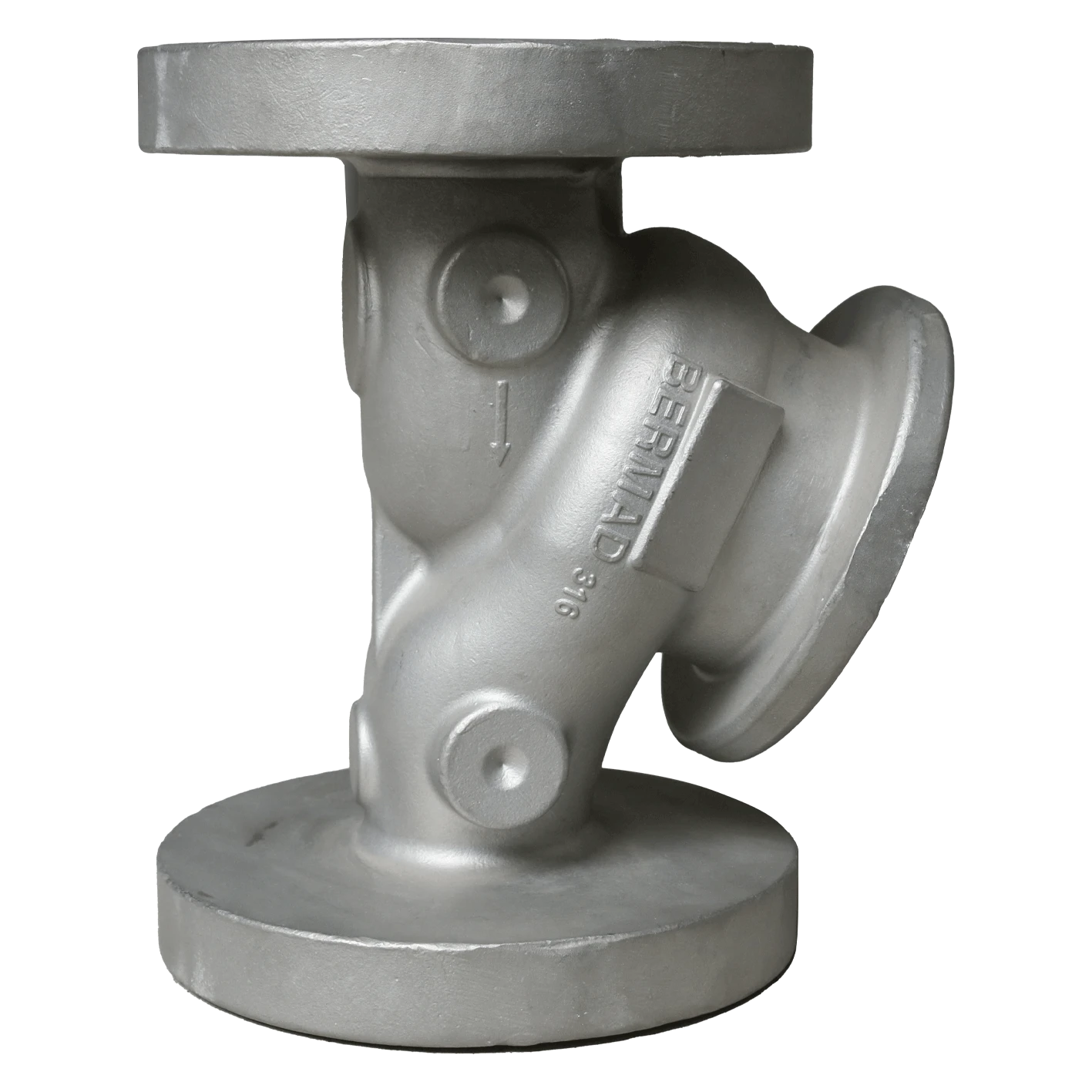
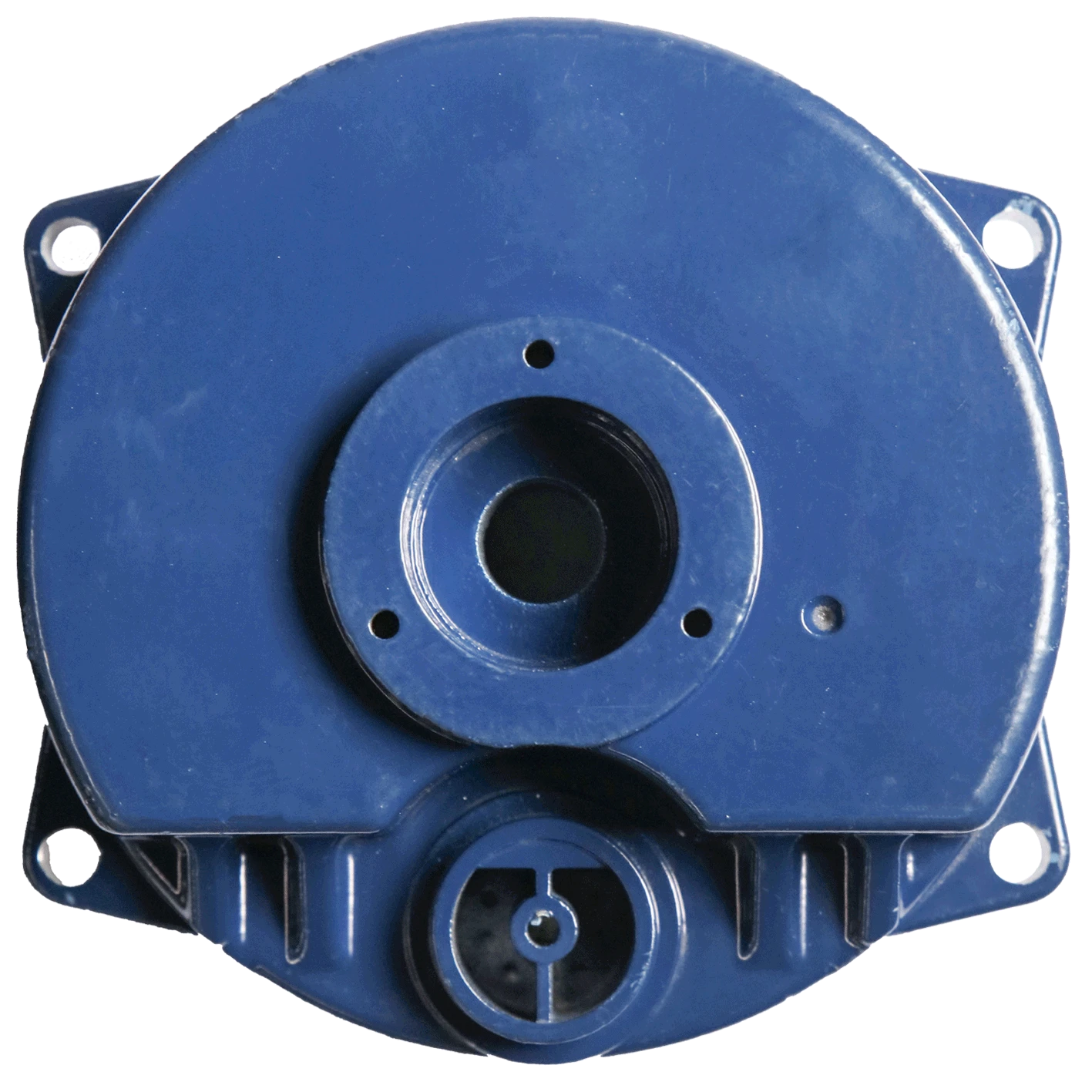
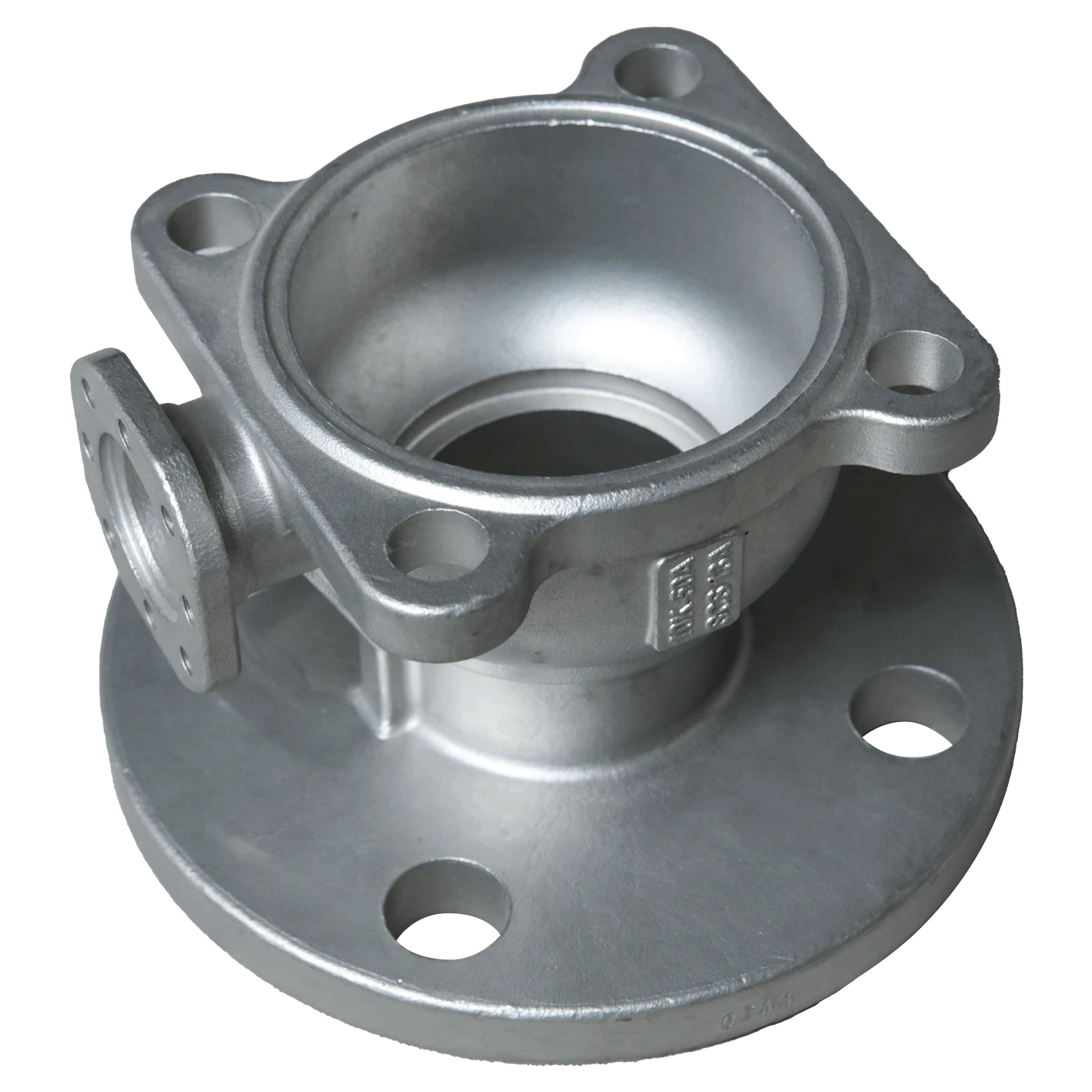
An aluminum casting factory is a facility specifically designed and equipped to produce aluminum castings. These castings are typically made by pouring molten aluminum into molds, where it solidifies and takes the shape of the mold. Aluminum casting factories play a crucial role in various industries, including automotive, aerospace, construction, and more, as they provide lightweight, durable, and corrosion-resistant components for a wide range of products.
One of the key advantages of aluminum casting is its ability to produce complex shapes and intricate designs with relative ease. This makes it an ideal material for creating parts that require high strength and precision. In addition, aluminum castings are generally less expensive than other manufacturing processes, such as machining or forging, which can help reduce overall production costs.
The process of aluminum casting involves several steps, starting with the preparation of the molds. Molds can be made from a variety of materials, including sand, metal, or ceramic, depending on the specific requirements of the casting. Once the molds are ready, the molten aluminum is poured into them, where it cools and solidifies. After the casting has cooled, it is removed from the mold and undergoes further processing, such as trimming, finishing, and testing, to ensure that it meets the required specifications After the casting has cooled, it is removed from the mold and undergoes further processing, such as trimming, finishing, and testing, to ensure that it meets the required specifications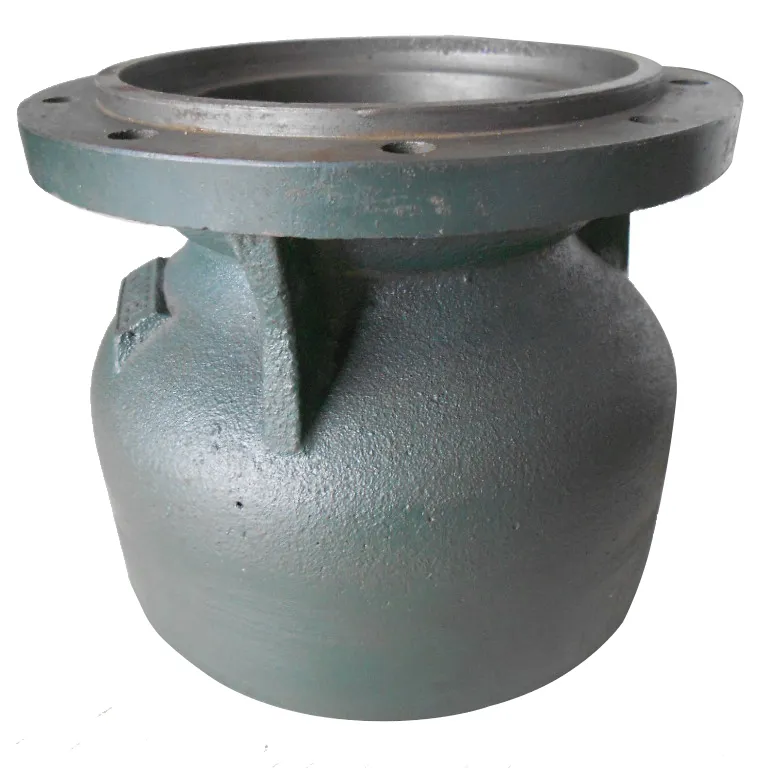 After the casting has cooled, it is removed from the mold and undergoes further processing, such as trimming, finishing, and testing, to ensure that it meets the required specifications After the casting has cooled, it is removed from the mold and undergoes further processing, such as trimming, finishing, and testing, to ensure that it meets the required specificationsaluminum casting factory.
There are several types of aluminum casting processes, including permanent mold casting, die casting, and sand casting. Each process has its own advantages and is used depending on the size, complexity, and quantity of the castings being produced. For example, permanent mold casting is best suited for producing large quantities of simple parts, while die casting is better suited for producing small, intricate parts with thin walls.
Aluminum casting factories must adhere to strict safety regulations and environmental standards to ensure the health and safety of their employees and the protection of the environment. This includes proper handling and storage of hazardous materials, such as molten aluminum and cutting tools, as well as implementing measures to minimize emissions and waste.
In conclusion, aluminum casting factories are essential facilities that produce high-quality aluminum castings for a wide range of applications. With their ability to produce complex shapes and designs, aluminum castings offer significant advantages over other manufacturing processes, making them a popular choice in many industries. As technology continues to advance, we can expect to see even more innovative uses for aluminum casting in the future.
After the casting has cooled, it is removed from the mold and undergoes further processing, such as trimming, finishing, and testing, to ensure that it meets the required specifications After the casting has cooled, it is removed from the mold and undergoes further processing, such as trimming, finishing, and testing, to ensure that it meets the required specificationsaluminum casting factory.
There are several types of aluminum casting processes, including permanent mold casting, die casting, and sand casting. Each process has its own advantages and is used depending on the size, complexity, and quantity of the castings being produced. For example, permanent mold casting is best suited for producing large quantities of simple parts, while die casting is better suited for producing small, intricate parts with thin walls.
Aluminum casting factories must adhere to strict safety regulations and environmental standards to ensure the health and safety of their employees and the protection of the environment. This includes proper handling and storage of hazardous materials, such as molten aluminum and cutting tools, as well as implementing measures to minimize emissions and waste.
In conclusion, aluminum casting factories are essential facilities that produce high-quality aluminum castings for a wide range of applications. With their ability to produce complex shapes and designs, aluminum castings offer significant advantages over other manufacturing processes, making them a popular choice in many industries. As technology continues to advance, we can expect to see even more innovative uses for aluminum casting in the future.
After the casting has cooled, it is removed from the mold and undergoes further processing, such as trimming, finishing, and testing, to ensure that it meets the required specifications After the casting has cooled, it is removed from the mold and undergoes further processing, such as trimming, finishing, and testing, to ensure that it meets the required specificationsaluminum casting factory.
There are several types of aluminum casting processes, including permanent mold casting, die casting, and sand casting. Each process has its own advantages and is used depending on the size, complexity, and quantity of the castings being produced. For example, permanent mold casting is best suited for producing large quantities of simple parts, while die casting is better suited for producing small, intricate parts with thin walls.
Aluminum casting factories must adhere to strict safety regulations and environmental standards to ensure the health and safety of their employees and the protection of the environment. This includes proper handling and storage of hazardous materials, such as molten aluminum and cutting tools, as well as implementing measures to minimize emissions and waste.
In conclusion, aluminum casting factories are essential facilities that produce high-quality aluminum castings for a wide range of applications. With their ability to produce complex shapes and designs, aluminum castings offer significant advantages over other manufacturing processes, making them a popular choice in many industries. As technology continues to advance, we can expect to see even more innovative uses for aluminum casting in the future. Latest news
-
Why Should You Invest in Superior Pump Castings for Your Equipment?NewsJun.09,2025
-
Unlock Performance Potential with Stainless Impellers and Aluminum End CapsNewsJun.09,2025
-
Revolutionize Your Machinery with Superior Cast Iron and Aluminum ComponentsNewsJun.09,2025
-
Revolutionize Fluid Dynamics with Premium Pump ComponentsNewsJun.09,2025
-
Optimizing Industrial Systems with Essential Valve ComponentsNewsJun.09,2025
-
Elevate Grid Efficiency with High-Precision Power CastingsNewsJun.09,2025
Related PRODUCTS