English

Mobile:+86-311-8081-2683
Email:info@ydcastings.com
English
aluminium gravity die casting
Aluminium Gravity Die Casting An Overview
Aluminium gravity die casting is a highly efficient and versatile manufacturing process used to produce complex metal parts with excellent dimensional accuracy and surface quality. This casting method is particularly favored in automotive, aerospace, and consumer goods industries due to its ability to yield high-strength components that can withstand various operational stresses.
The Process of Aluminium Gravity Die Casting
The gravity die casting process begins with the preparation of the die, which is typically made from high-quality steel to endure the thermal cycling associated with molten aluminium. The design of the die is critical, as it must accommodate the component’s geometry and facilitate effective metal flow. Once the die is ready, it is mounted in a horizontal or vertical position, depending on the requirements of the specific part being produced.
The next step involves heating the die to reduce thermal shock when the molten aluminium is introduced. Once the optimal temperature is reached, aluminium alloy is melted in a crucible furnace and poured into the preheated die. The force of gravity allows the molten metal to fill the cavity of the die, taking the shape of the desired product. This step is essential, as it determines the final properties of the casting.
After the aluminium fills the die, it begins to cool and solidify. The cooling rate is a crucial factor influencing the mechanical properties of the cast component. After sufficient cooling time, the die is opened, and the finished cast part is ejected. Additional finishing operations, such as machining and surface treatment, may be performed to achieve the desired specifications.
Advantages of Aluminium Gravity Die Casting
One of the primary advantages of aluminium gravity die casting is the high-quality surface finish it offers. The smoothness of the die cavity directly translates into the surface characteristics of the cast product. This method also provides excellent dimensional accuracy, ensuring parts meet tight tolerances and reducing the need for excessive post-processing.
aluminium gravity die casting
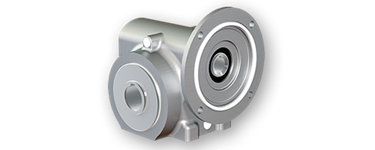
Another significant benefit is the efficiency and speed of production. Gravity die casting facilitates rapid cycles, allowing manufacturers to produce large quantities of parts in a relatively short time. This is particularly beneficial for high-volume production runs, where consistency and quality are paramount.
Additionally, aluminium is an ideal material for gravity die casting due to its lightweight and high strength-to-weight ratio. Parts created through this process can withstand high levels of stress while being lighter than those made from other metals, making them perfect for applications in the automotive and aerospace industries, where weight savings can lead to improved fuel efficiency.
Considerations in Aluminium Gravity Die Casting
Despite its numerous advantages, there are considerations that manufacturers must keep in mind when opting for aluminium gravity die casting. The initial setup costs, including die design and fabrication, can be substantial. However, these costs are often offset by the longevity of the tooling and the reduction in labor costs due to the automated nature of the process.
Another potential challenge is the cycle time involved, which can vary based on the complexity of the design and wall thickness of the part. Manufacturers must carefully plan the die design to optimize airflow and maximize the filling capability while minimizing defects such as voids or misruns.
Future Trends in Aluminium Gravity Die Casting
As the demand for lightweight and efficient components continues to rise, the aluminium gravity die casting process is expected to evolve. Innovations such as advanced die coatings and improved alloy formulations will enhance performance and durability. Furthermore, the integration of smart manufacturing technologies, including automation and real-time monitoring, can lead to further gains in efficiency and consistency.
In conclusion, aluminium gravity die casting is a robust manufacturing process that offers a combination of strength, weight savings, and cost-effectiveness. By leveraging the advantages of this method, industries can produce high-quality components that meet today’s stringent demands for performance and sustainability. As technology continues to advance, the future looks promising for this versatile casting technique, ensuring its relevance in the modern manufacturing landscape.
-
Choosing an Engine Storage Crate Cover for Material and EnvironmentNewsNov.23,2026
-
Cylinder Head Chamber Buyers: Check the Casting Specification FirstNewsNov.17,2026
-
How Impeller Casting Manufacturers Match Material, Process and EquipmentNewsNov.15,2026
-
Valve body vs. intake air chamber: Which casting fits your assembly?NewsNov.02,2026
-
Air Intake Chamber FAQ: Specifications, Ordering and Support QuestionsNewsOct.28,2026
-
Motorcycle Accessories FAQ: Specifications, Ordering and Support QuestionsNewsOct.24,2026










