English

Mobile:+86-311-8081-2683
Email:info@ydcastings.com
English
aluminum casting foundry
The Evolution and Significance of Aluminum Casting Foundries
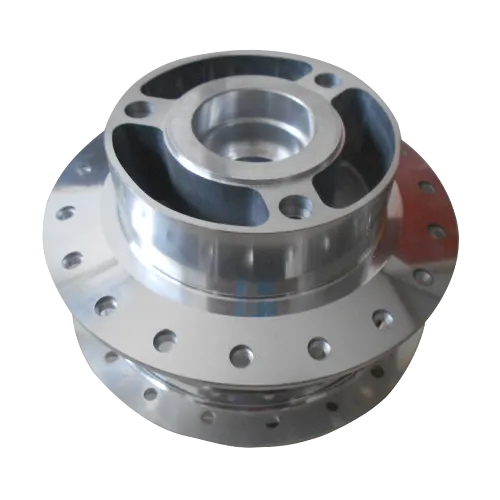
Aluminum casting foundries have become increasingly prominent in various industries due to their versatility, lightweight properties, and cost-effectiveness. The process of aluminum casting involves pouring molten aluminum into a mold to create specific shapes and components that serve myriad applications. This article explores the significance, processes, and advancements in aluminum casting foundries.
Historical Context
The development of aluminum casting can be traced back to the discovery of aluminum itself in the early 19th century. Initially deemed a precious metal due to its rarity, aluminum eventually became more accessible through advancements in extraction techniques. In the early 20th century, the demand for aluminum surged, particularly during World War II, where it was utilized extensively in aircraft manufacturing. This increase in demand laid the groundwork for the establishment of numerous aluminum foundries that specialized in casting.
Types of Aluminum Casting Processes
Aluminum casting can be executed through various methods, each suited for different applications and designs. The primary types of aluminum casting processes include
1. Die Casting In die casting, molten aluminum is injected into a steel mold under high pressure. This method is known for producing high-precision components with smooth surface finishes. It is widely used in automotive and consumer electronics manufacturing.
2. Sand Casting This traditional method involves creating a mold from sand and using it to cast aluminum. Sand casting is preferred for larger, less complex parts and allows for flexibility in design. Its cost-effectiveness makes it an excellent choice for low to medium production runs.
3. Investment Casting Also known as lost-wax casting, this method involves creating a wax pattern that is coated with a ceramic material. Once the ceramic hardens, the wax is melted away, and molten aluminum is poured into the mold. Investment casting produces intricate designs and is favored in industries requiring precise tolerances.
4. Permanent Mold Casting This method utilizes a reusable metal mold to produce aluminum parts. It strikes a balance between die casting and sand casting, offering decent surface finishes and moderate production rates.
aluminum casting foundry
Advantages of Aluminum Casting
Aluminum casting foundries offer several advantages that enhance their competitiveness in the manufacturing sector
- Lightweight and Durable Aluminum is significantly lighter than steel, which makes it an ideal choice for applications where weight reduction is crucial, such as in aerospace and automotive industries. Additionally, aluminum exhibits excellent corrosion resistance, ensuring the longevity of cast components.
- Versatility The ability to create complex shapes and designs makes aluminum casting suitable for a wide range of applications. From intricate engine components to simple brackets, the versatility of aluminum casting can accommodate varying market needs.
- Cost-Effectiveness The relatively low cost of aluminum combined with efficient casting methods can lead to significant cost savings, especially in mass production. Lower material waste in certain casting processes also contributes to overall savings.
Innovations and Future Trends
As technology evolves, so do the techniques and capabilities of aluminum casting foundries. Innovations such as computer-aided design (CAD) and computer numerical control (CNC) machining have revolutionized the design and production of aluminum cast components. These technologies enhance precision, reduce lead times, and allow for greater customization.
Additionally, increasing environmental awareness has spurred foundries to adopt sustainable practices. Recycling aluminum has emerged as a critical component of the aluminum casting industry, significantly reducing energy consumption and raw material usage. Foundries are now capable of producing high-quality castings from recycled aluminum, further diminishing their carbon footprint.
Conclusion
In conclusion, aluminum casting foundries play a vital role in modern manufacturing by offering lightweight, durable, and cost-effective solutions across a multitude of sectors. The evolution of various casting processes, coupled with continuous innovations and a focus on sustainability, positions aluminum casting as an essential pillar of contemporary industrial practices. As industries seek to adopt more efficient and environmentally-friendly methods, aluminum casting will undoubtedly continue to thrive, shaping the future of production.
-
Choosing an Engine Storage Crate Cover for Material and EnvironmentNewsNov.23,2026
-
Cylinder Head Chamber Buyers: Check the Casting Specification FirstNewsNov.17,2026
-
How Impeller Casting Manufacturers Match Material, Process and EquipmentNewsNov.15,2026
-
Valve body vs. intake air chamber: Which casting fits your assembly?NewsNov.02,2026
-
Air Intake Chamber FAQ: Specifications, Ordering and Support QuestionsNewsOct.28,2026
-
Motorcycle Accessories FAQ: Specifications, Ordering and Support QuestionsNewsOct.24,2026










