English

Mobile:+86-311-8081-2683
Email:info@ydcastings.com
English
aluminium alloy for pressure die casting
Aluminium Alloys for Pressure Die Casting
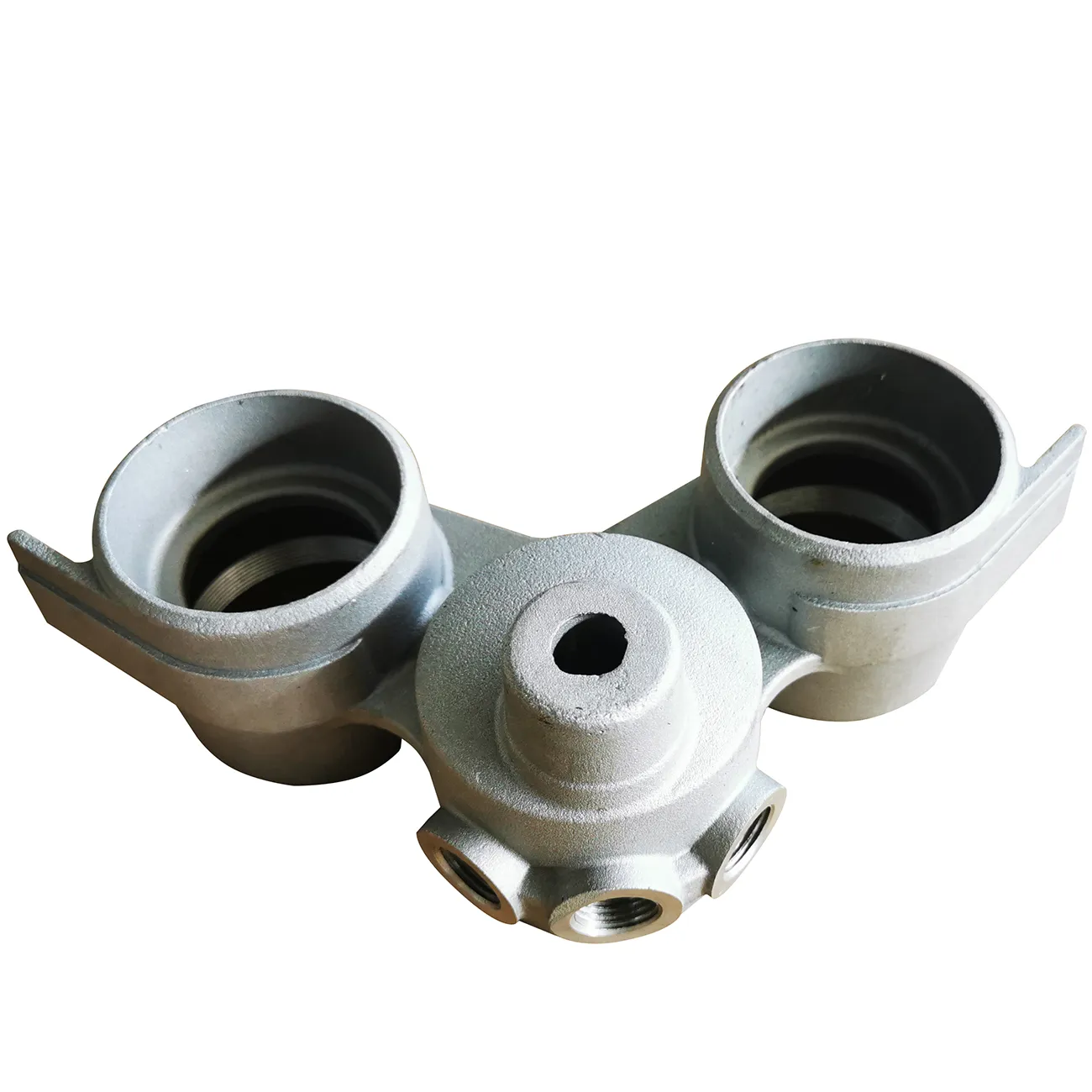
Aluminium alloys have been the material of choice for many applications, particularly in the automotive, aerospace, and consumer products industries. Among various aluminium alloys, those specifically formulated for pressure die casting play a critical role due to their excellent mechanical properties, superior corrosion resistance, and lightweight characteristics. This article explores the various types of aluminium alloys used in pressure die casting, their properties, and why they are preferred in many industrial applications.
Understanding Pressure Die Casting
Pressure die casting is a manufacturing process that involves forcing molten aluminium alloy into a mold cavity under high pressure. This method is known for producing parts with high dimensional accuracy and a superior surface finish compared to other casting methods. The process is particularly advantageous for creating complex shapes and intricate designs, which makes it highly sought after in industries requiring precision components.
Common Aluminium Alloys for Die Casting
The primary alloys used in pressure die casting are typically designated by the Aluminium Association with a four-digit numerical designation, commonly classified as 3xx.0X and 5xx.0X series. The most widely used aluminium die casting alloys include
1. A380 This is one of the most popular aluminium alloys for die casting due to its excellent fluidity, corrosion resistance, and overall mechanical properties. The A380 alloy provides good wear resistance and is capable of withstanding high mechanical loads, making it ideal for automotive parts such as engine blocks and transmission cases.
2. A383 Similar to A380, A383 offers excellent casting performance and is often used for thin-walled components. Its fine microstructure allows it to provide a superior finish and it is particularly favored in the production of complex geometries.
3. A413 Known for its high fluidity, A413 is an ideal choice where intricate designs and thin sections are required. This alloy has exceptional corrosion resistance, making it suitable for outdoor applications or environments prone to corrosion.
4. A332 This alloy is characterized by its good mechanical properties and excellent surface finish. A332 is often used in applications where both strength and aesthetic appeal are crucial.
5. A360 This alloy is considered for die casting components that require high thermal conductivity, such as heat exchangers and automotive engine parts. A360 exhibits excellent corrosion resistance and mechanical properties, ensuring durability.
aluminium alloy for pressure die casting
Properties of Aluminium Die Casting Alloys
The performance of die casting alloys is determined by several properties
- Mechanical Strength Aluminium alloys used in die casting provide a good balance of tensile strength and ductility, making them suitable for high-stress applications.
- Corrosion Resistance Most aluminium alloys have exceptional resistance to corrosion, particularly in environments exposed to moisture and various chemicals. This property extends the lifespan of components, thereby reducing maintenance costs.
- Density Aluminium exhibits a lower density compared to other metals, resulting in lightweight components that can enhance fuel efficiency in automotive applications.
- Thermal and Electrical Conductivity Some aluminium alloys are known for their high thermal and electrical conductivity, which is essential in applications such as electronics cooling.
Advantages of Using Aluminium Alloys in Pressure Die Casting
The advantages of using aluminium alloys in pressure die casting processes are numerous. Firstly, the combination of strength-to-weight ratio allows manufacturers to create lightweight components without compromising on strength. Secondly, the high precision achievable through pressure die casting results in reduced machining costs and less waste material, contributing to a more sustainable manufacturing process.
Furthermore, the ability to produce complex shapes means engineers can design components that were previously not possible, leading to innovative products that meet the evolving demands of various industries. Lastly, the rapid production capability of pressure die casting ensures that manufacturers can meet tight deadlines while maintaining high quality.
Conclusion
Aluminium alloys are indispensable in pressure die casting applications due to their unique properties and versatility. With the growing demand for lightweight, durable, and high-performance materials across industries, aluminium die casting alloys will undoubtedly continue to play a crucial role in advancing technology and manufacturing processes. As innovations emerge in alloy development and die casting techniques, they will further expand the possibilities for industrial applications, paving the way for a more efficient and sustainable future.
-
Choosing an Engine Storage Crate Cover for Material and EnvironmentNewsNov.23,2026
-
Cylinder Head Chamber Buyers: Check the Casting Specification FirstNewsNov.17,2026
-
How Impeller Casting Manufacturers Match Material, Process and EquipmentNewsNov.15,2026
-
Valve body vs. intake air chamber: Which casting fits your assembly?NewsNov.02,2026
-
Air Intake Chamber FAQ: Specifications, Ordering and Support QuestionsNewsOct.28,2026
-
Motorcycle Accessories FAQ: Specifications, Ordering and Support QuestionsNewsOct.24,2026










