English

Mobile:+86-311-8081-2683
Email:info@ydcastings.com
English
Understanding the Role of Motor Impellers in Performance and Efficiency
The Role of Impellers in Motor Applications
Impellers are critical components in various motor-driven applications, serving as the heart of many fluid dynamics systems. They are designed to impart movement to fluids, enabling the efficient transfer of energy from the motor to the fluid medium, whether it’s water, air, or another liquid. Understanding the function and characteristics of impellers can help industry professionals optimize performance across multiple applications, from industrial pumps to HVAC systems.
The Basics of Impellers
An impeller is typically a rotating component consisting of blades or vanes. When the motor operates, the rotating impeller draws in fluid at its center, known as the eye, and, through centrifugal force, propels the fluid outward through the blades. This process not only increases the velocity of the fluid but also raises its pressure, making impellers essential in applications requiring fluid movement.
Impeller design can vary significantly based on the specific requirements of the application. Factors such as the fluid's viscosity, density, and temperature influence the selection of impeller type. Common types of impellers include axial, centrifugal, and mixed-flow designs. Axial impellers are adept at moving large volumes of fluid with relatively low pressure, while centrifugal impellers are more suited for applications where higher pressure is required.
Impellers and Motor Efficiency
The efficiency of an impeller directly affects the overall performance of the motor it is connected to. High-efficiency impellers can help reduce energy consumption and operational costs. When selecting an impeller, considerations must include its design, the number of blades, and their shape. Well-designed impellers optimize fluid flow and minimize turbulence, leading to better energy transfer and less wear on the motor itself.
impeller of motor
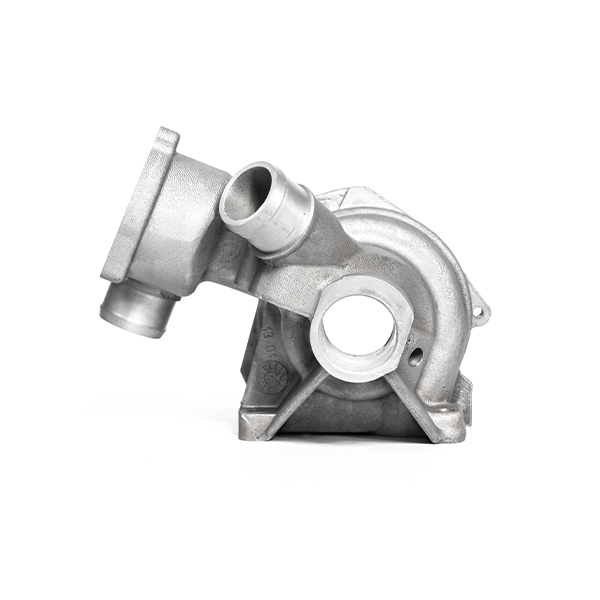
Materials used in impeller construction also play a crucial role in optimizing motor performance. Impellers can be manufactured from various materials, including plastics, stainless steel, and composites, depending on factors such as chemical compatibility and resistance to wear and corrosion. For instance, in wastewater treatment applications, plastic impellers may be favored due to their resistance to harsh chemicals, while stainless steel impellers are preferred in more demanding environments due to their durability.
Applications of Impellers in Motors
Impellers find their applications across a wide range of industries. In the water supply sector, centrifugal impellers are commonly used in pumps to transport water from one location to another efficiently. In HVAC systems, axial impellers are frequently employed in fans and blowers to circulate air.
In the automotive industry, impellers are vital in cooling systems, where they assist in circulating coolant to regulate engine temperature. They are also crucial in turbochargers, where the impeller compresses air to increase engine efficiency.
Moreover, in the field of marine engineering, impellers are essential in creating thrust for boats and submarines. The design and efficiency of these impellers directly influence the vessel's performance and fuel efficiency.
Conclusion
In summary, the impeller is a pivotal component in motor applications, crucial for the fluid dynamics of various systems. The right choice of impeller can significantly enhance the efficiency and performance of motors across different sectors. With ongoing advancements in material science and engineering, the future of impeller design promises even greater efficiencies and capabilities, ensuring they remain an indispensable part of motor-driven applications. Whether in industrial settings or everyday appliances, the importance of impellers will continue to grow, underscoring their vital role in energy management and fluid movement.
-
Choosing an Engine Storage Crate Cover for Material and EnvironmentNewsNov.23,2026
-
Cylinder Head Chamber Buyers: Check the Casting Specification FirstNewsNov.17,2026
-
How Impeller Casting Manufacturers Match Material, Process and EquipmentNewsNov.15,2026
-
Valve body vs. intake air chamber: Which casting fits your assembly?NewsNov.02,2026
-
Air Intake Chamber FAQ: Specifications, Ordering and Support QuestionsNewsOct.28,2026
-
Motorcycle Accessories FAQ: Specifications, Ordering and Support QuestionsNewsOct.24,2026










