English

Mobile:+86-311-8081-2683
Email:info@ydcastings.com
English
Feb . 16, 2025 10:54
Back to list
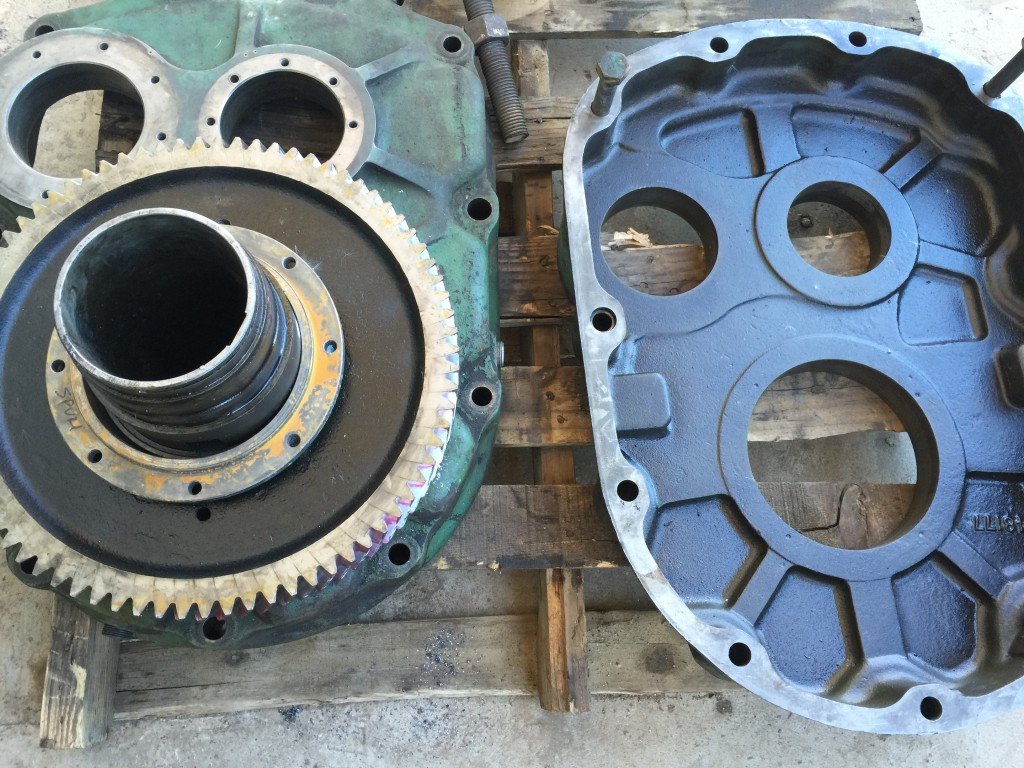
Water pump shell, worm case
The A320 impeller is a critical component utilized in both commercial and private aircraft engine systems, offering unparalleled efficiency and reliability. As aviation technology continues to evolve, users and manufacturers alike are constantly exploring innovations that can improve engine performance and reduce operational costs. The impeller plays a pivotal role in this process, acting as a primary mover in the engine's power generation cycle, directly influencing fuel efficiency and overall engine health.
In terms of trustworthiness, companies involved in the production of A320 impellers often hold comprehensive certifications such as AS9100 and ISO 9001, signifying adherence to the highest quality management systems. These certifications ensure that every step of the production process is conducted with the utmost precision, from sourcing raw materials to the final inspection of finished components. Manufacturers also work closely with regulatory bodies like the Federal Aviation Administration (FAA) or the European Union Aviation Safety Agency (EASA) to ensure that their products meet or exceed all safety requirements. From an experience perspective, countless aviation companies have reported substantial improvements in engine performance and maintenance down-time reductions after upgrading to modern A320 impellers. These improvements are not just theoretical; pilots and ground staff consistently note the smoother performance, quieter operations, and more straightforward maintenance schedules associated with the latest impeller innovations. Engine health monitoring systems now frequently include dedicated sensors for assessing impeller performance, allowing operators to predict necessary maintenance before issues arise, thus reducing unexpected repairs and operational delays. For fleet operators, investing in high-quality A320 impellers translates into significant cost savings over time. The increase in fuel efficiency alone can lead to millions of dollars in reduced fuel expenditures annually for large operations. Furthermore, the extended lifecycle of these components means decreased frequency of replacements, thus reducing both material waste and associated labor costs. In conclusion, the A320 impeller represents an intersection of cutting-edge engineering and practical application. Its multifaceted benefits, ranging from enhanced engine efficacy to considerable economic impacts, underline its importance in modern aviation. Whether viewed from an engineering, operational, or economic standpoint, the A320 impeller is undeniably a cornerstone of contemporary aerospace technology. As aviation continues to push forward, the innovation surrounding impellers will undoubtedly persist as a linchpin in the ongoing quest for more efficient and sustainable air travel.
In terms of trustworthiness, companies involved in the production of A320 impellers often hold comprehensive certifications such as AS9100 and ISO 9001, signifying adherence to the highest quality management systems. These certifications ensure that every step of the production process is conducted with the utmost precision, from sourcing raw materials to the final inspection of finished components. Manufacturers also work closely with regulatory bodies like the Federal Aviation Administration (FAA) or the European Union Aviation Safety Agency (EASA) to ensure that their products meet or exceed all safety requirements. From an experience perspective, countless aviation companies have reported substantial improvements in engine performance and maintenance down-time reductions after upgrading to modern A320 impellers. These improvements are not just theoretical; pilots and ground staff consistently note the smoother performance, quieter operations, and more straightforward maintenance schedules associated with the latest impeller innovations. Engine health monitoring systems now frequently include dedicated sensors for assessing impeller performance, allowing operators to predict necessary maintenance before issues arise, thus reducing unexpected repairs and operational delays. For fleet operators, investing in high-quality A320 impellers translates into significant cost savings over time. The increase in fuel efficiency alone can lead to millions of dollars in reduced fuel expenditures annually for large operations. Furthermore, the extended lifecycle of these components means decreased frequency of replacements, thus reducing both material waste and associated labor costs. In conclusion, the A320 impeller represents an intersection of cutting-edge engineering and practical application. Its multifaceted benefits, ranging from enhanced engine efficacy to considerable economic impacts, underline its importance in modern aviation. Whether viewed from an engineering, operational, or economic standpoint, the A320 impeller is undeniably a cornerstone of contemporary aerospace technology. As aviation continues to push forward, the innovation surrounding impellers will undoubtedly persist as a linchpin in the ongoing quest for more efficient and sustainable air travel.
Latest news
-
Choosing an Engine Storage Crate Cover for Material and EnvironmentNewsNov.23,2026
-
Cylinder Head Chamber Buyers: Check the Casting Specification FirstNewsNov.17,2026
-
How Impeller Casting Manufacturers Match Material, Process and EquipmentNewsNov.15,2026
-
Valve body vs. intake air chamber: Which casting fits your assembly?NewsNov.02,2026
-
Air Intake Chamber FAQ: Specifications, Ordering and Support QuestionsNewsOct.28,2026
-
Motorcycle Accessories FAQ: Specifications, Ordering and Support QuestionsNewsOct.24,2026
Related PRODUCTS










