English

Mobile:+86-311-8081-2683
Email:info@ydcastings.com
English
Feb . 16, 2025 10:34
Back to list
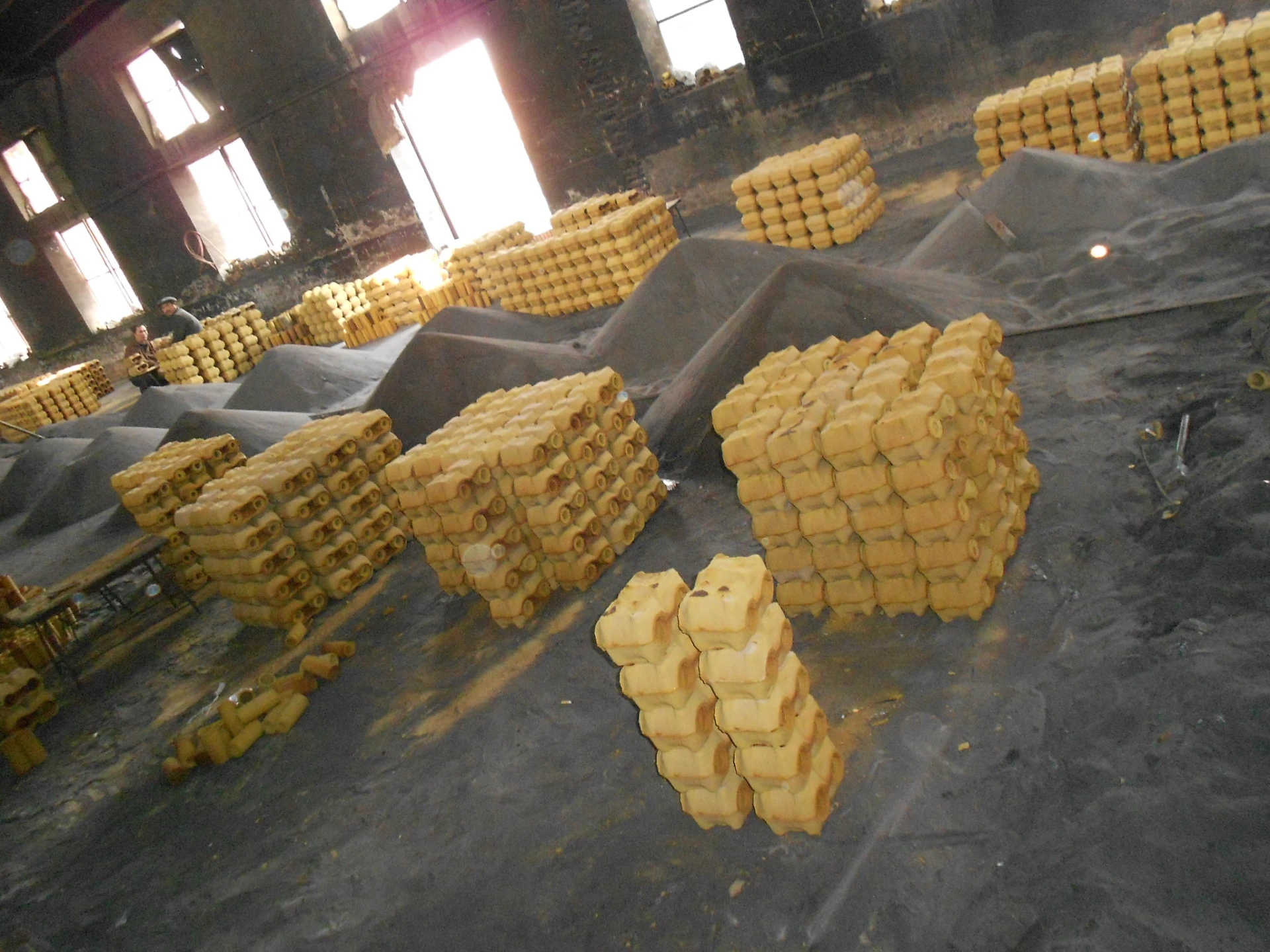
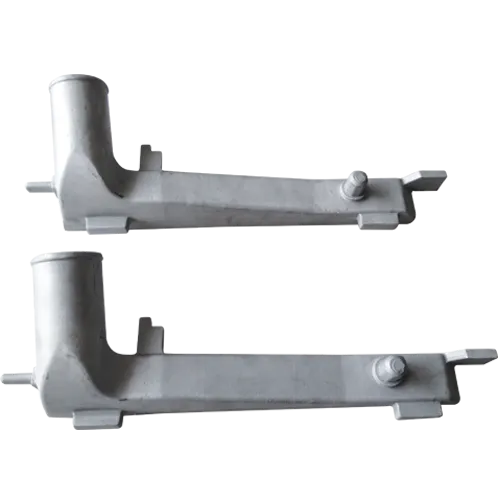
Water pump shell, worm case
Impellers form the beating heart of many fluid machinery applications, driving essential processes across industries with their ability to move, mix, or accelerate fluid. Understanding the different types of impellers and their applications not only empowers engineers to optimize system performance but also aids businesses in selecting the right equipment that ensures both efficiency and longevity. This article explores the three primary types of impeller designs the axial flow, radial flow, and mixed flow impellers—each serving distinct purposes and deriving their unique characteristics from fundamental fluid dynamics.
From an engineering standpoint, choosing the right impeller for a specific application is an intricate balance of understanding fluid properties, system requirements, and operational constraints. Critical factors such as fluid viscosity, corrosiveness, temperature, and the presence of solids must be evaluated to ensure the impeller not only delivers performance but also withstands operational stresses. Advanced materials and coatings technology further enhance impeller durability, mitigating risks of wear and corrosion—a vital consideration in environments with aggressive chemical processes or abrasive materials. Furthermore, the evolution of computational fluid dynamics (CFD) has transformed impeller design, enabling precise simulation and optimization of fluid flow characteristics within engineered systems. This data-driven approach enhances trustworthiness by offering predictive insights that ensure impeller designs meet intended performance benchmarks before actual deployment, reducing trial-and-error based iterations that were traditionally prevalent. In the realm of product development, particularly within industrial applications, integrating customer feedback and real-world performance data elevates a product's authority. Manufacturers investing in comprehensive testing and validation protocols can present empirical evidence that reinforces the reliability of their impeller designs. Moreover, industry certifications and compliance with international standards further buttress an impeller's credibility, assuring users of adherence to stringent quality controls. In conclusion, mastering the subtleties of impeller design translates directly to enhanced operational efficiency and system reliability. By aligning application-specific requirements with the appropriate type of impeller—be it axial, radial, or mixed flow—industries can leverage optimized fluid dynamics to drive productivity and longevity. As technological advancements continue to permeate the engineering domain, the future of impeller design promises even more refined performance, augmented by innovations in materials science, digital simulation, and sustainable practices. Building on these foundations, businesses can navigate complex operational landscapes with confidence, capitalizing on the synergy between expert knowledge and advanced engineering to achieve unparalleled excellence in fluid handling solutions.
From an engineering standpoint, choosing the right impeller for a specific application is an intricate balance of understanding fluid properties, system requirements, and operational constraints. Critical factors such as fluid viscosity, corrosiveness, temperature, and the presence of solids must be evaluated to ensure the impeller not only delivers performance but also withstands operational stresses. Advanced materials and coatings technology further enhance impeller durability, mitigating risks of wear and corrosion—a vital consideration in environments with aggressive chemical processes or abrasive materials. Furthermore, the evolution of computational fluid dynamics (CFD) has transformed impeller design, enabling precise simulation and optimization of fluid flow characteristics within engineered systems. This data-driven approach enhances trustworthiness by offering predictive insights that ensure impeller designs meet intended performance benchmarks before actual deployment, reducing trial-and-error based iterations that were traditionally prevalent. In the realm of product development, particularly within industrial applications, integrating customer feedback and real-world performance data elevates a product's authority. Manufacturers investing in comprehensive testing and validation protocols can present empirical evidence that reinforces the reliability of their impeller designs. Moreover, industry certifications and compliance with international standards further buttress an impeller's credibility, assuring users of adherence to stringent quality controls. In conclusion, mastering the subtleties of impeller design translates directly to enhanced operational efficiency and system reliability. By aligning application-specific requirements with the appropriate type of impeller—be it axial, radial, or mixed flow—industries can leverage optimized fluid dynamics to drive productivity and longevity. As technological advancements continue to permeate the engineering domain, the future of impeller design promises even more refined performance, augmented by innovations in materials science, digital simulation, and sustainable practices. Building on these foundations, businesses can navigate complex operational landscapes with confidence, capitalizing on the synergy between expert knowledge and advanced engineering to achieve unparalleled excellence in fluid handling solutions.
Latest news
-
Choosing an Engine Storage Crate Cover for Material and EnvironmentNewsNov.23,2026
-
Cylinder Head Chamber Buyers: Check the Casting Specification FirstNewsNov.17,2026
-
How Impeller Casting Manufacturers Match Material, Process and EquipmentNewsNov.15,2026
-
Valve body vs. intake air chamber: Which casting fits your assembly?NewsNov.02,2026
-
Air Intake Chamber FAQ: Specifications, Ordering and Support QuestionsNewsOct.28,2026
-
Motorcycle Accessories FAQ: Specifications, Ordering and Support QuestionsNewsOct.24,2026
Related PRODUCTS










