English

Mobile:+86-311-808-126-83
Email:info@ydcastings.com
English
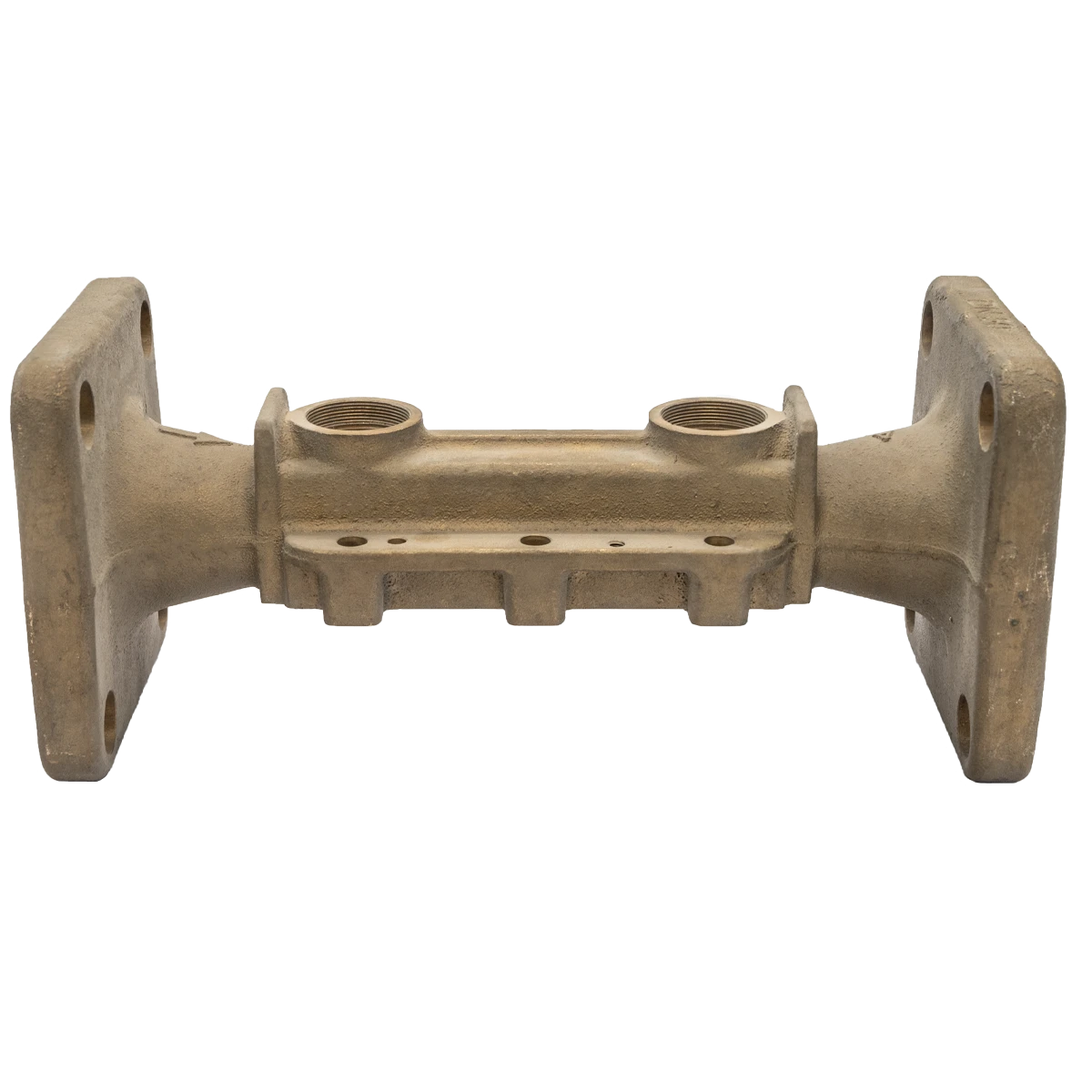
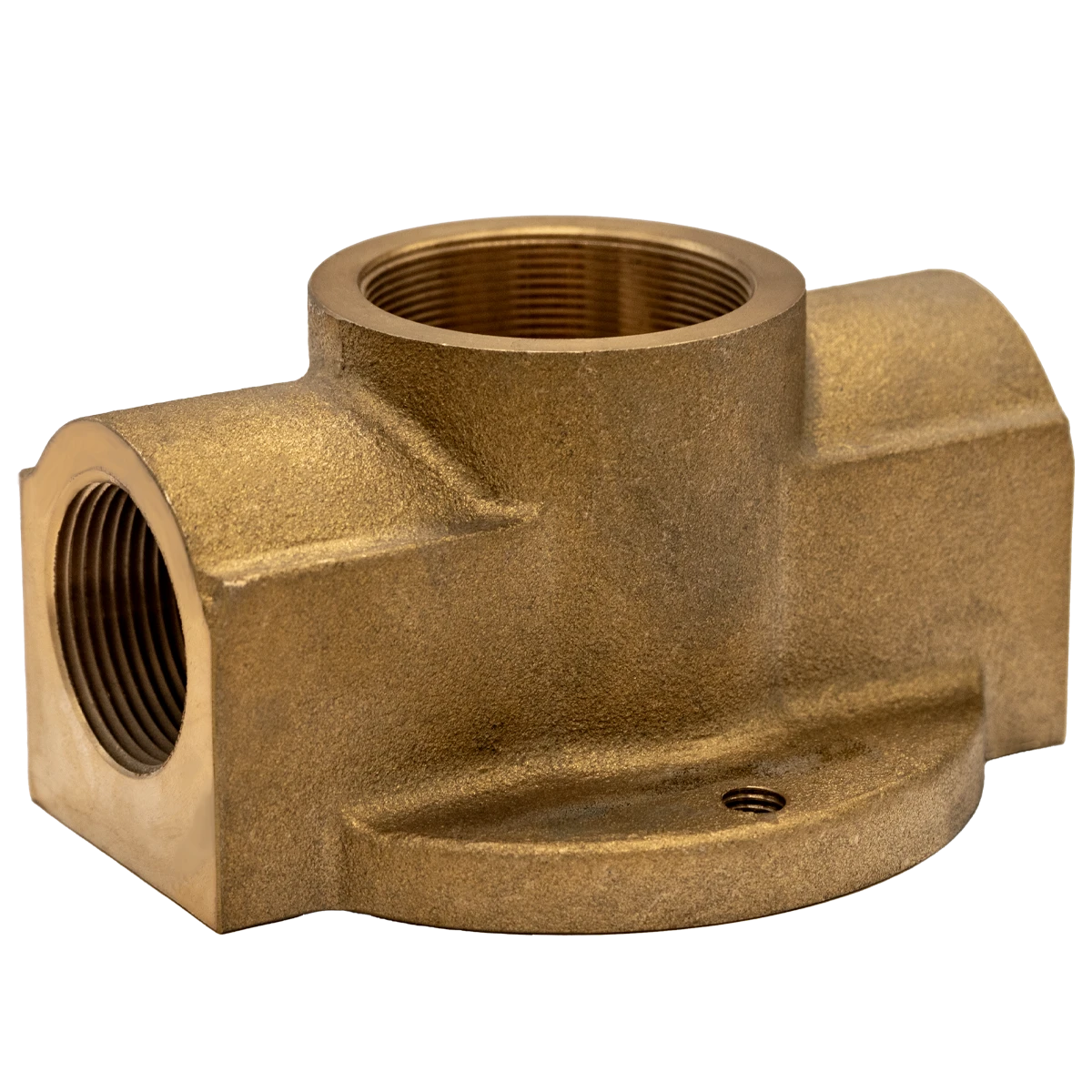
4 cylinder manifold
Understanding the 4% Cylinder Manifold A Comprehensive Overview
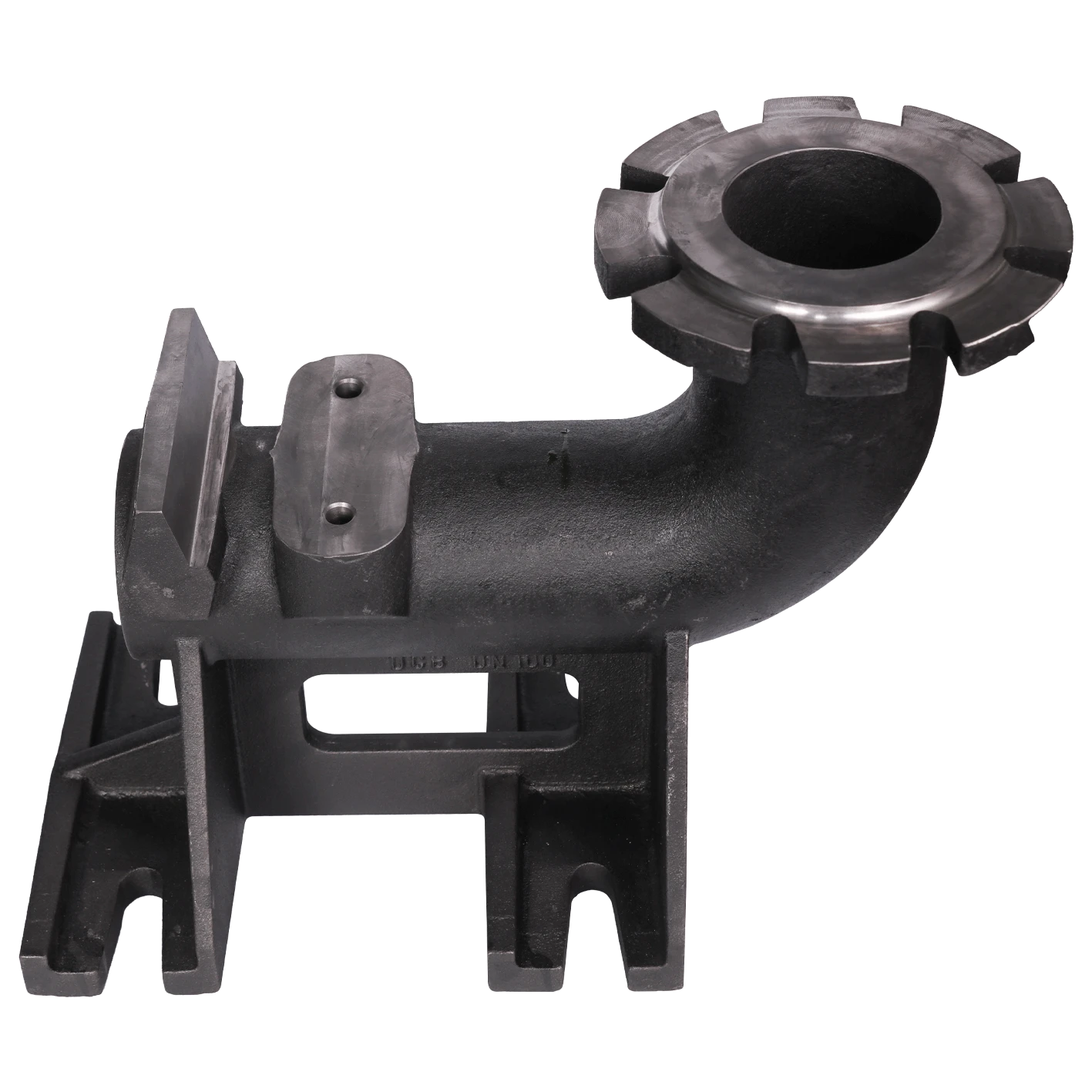
The 4% cylinder manifold is an essential component in various engineering and mechanical systems, playing a crucial role in the efficient distribution of fluids, gases, or other materials. This article delves into its design, applications, and the significance of its 4% aspect, alongside the inherent challenges and solutions associated with its implementation.
Understanding the 4% Cylinder Manifold A Comprehensive Overview
The engineering design of a 4% cylinder manifold typically involves careful consideration of fluid dynamics. Factors such as flow rate, pressure loss, and material selection come into play. Advanced computational models and simulations are employed to predict the manifold's behavior under various conditions, ensuring that it meets performance expectations.
4 cylinder manifold
In applications where precision is crucial, such as in aerospace, automotive, and manufacturing sectors, the 4% cylinder manifold can be a game-changer. For instance, in a hydraulic system, even a slight improvement in efficiency can yield significant energy savings and enhance system reliability. Similarly, in automotive applications, a more efficient manifold can lead to improved fuel economy and reduced emissions, aligning with increasing environmental regulations.
However, the integration of a 4% cylinder manifold is not without its challenges. Ensuring that the design optimally fits within existing systems can be difficult, often requiring modifications or the use of custom solutions. Additionally, issues such as vibration, thermal expansion, and material degradation need to be addressed to maintain the manifold’s longevity and reliability.
Innovations in manufacturing technologies, such as additive manufacturing and advanced materials, have contributed significantly to overcoming these challenges. These technologies enable the production of complex geometries and create manifolds that minimize weight while maximizing strength and durability. As a result, the 4% cylinder manifold continues to evolve, adapting to modern engineering demands.
In conclusion, the 4% cylinder manifold represents a critical element in fluid and gas distribution systems, characterized by its design efficiency and versatility across various industries. As engineering continues to advance, the significance of optimizing components like the cylinder manifold will only increase, leading to more sustainable practices and enhanced system performances. By embracing innovation and addressing the challenges involved, engineers can ensure that these systems remain at the forefront of technological advancements.
-
Precision Valve Castings for Agricultural Irrigation and Fluid Control SystemsNewsMay.08,2026
-
Precision Impeller and Compressor Components for Agricultural MachineryNewsMay.08,2026
-
Essential Cast Components for Agricultural Machinery: Oil Management and Motor ProtectionNewsMay.08,2026
-
High-Performance Cast Components for Agricultural Machinery: From Cooling to Exhaust SystemsNewsMay.08,2026
-
Agricultural Valve Castings: Durable Flow Control Solutions for Farm Irrigation SystemsNewsMay.08,2026
-
High-Performance Agricultural Pump Components: Precision Castings for Reliable Farm OperationsNewsMay.08,2026