English

Mobile:+86-311-808-126-83
Email:info@ydcastings.com
English
Optimizing Impeller Design for Enhanced Dust Collection Blower Efficiency and Performance
The Importance of Dust Collector Blower Impellers in Industrial Applications
In the manufacturing and industrial sectors, the control of airborne dust and particulate matter is crucial for ensuring worker safety, operational efficiency, and compliance with environmental regulations. Among the various components that contribute to effective dust management systems, the dust collector blower impeller plays a pivotal role. This article delves into the significance of dust collector blower impellers, their design, functionality, and maintenance, to underscore their impact on industrial operations.
Understanding Dust Collection Systems
Dust collection systems are implemented in a variety of environments where particulate emissions are generated, such as woodworking shops, metalworking facilities, food processing plants, and more. These systems function by capturing and filtering dust, preventing it from becoming airborne and harming workers or the surrounding environment. At the heart of these systems is the blower, which creates the necessary airflow to transport dust-laden air into the filters.
Role of the Blower Impeller
The impeller is one of the key components of the blower, responsible for converting electrical energy to kinetic energy, thus generating the airflow required for dust collection. The impeller achieves this by utilizing a series of blades that rotate at high speeds, creating a pressure differential that sucks in air and pushes it out through the dust collection filters. The effectiveness of a dust collection system largely depends on the design and performance of the impeller.
Design Considerations
The design of a dust collector blower impeller is critical to its performance
. Several factors influence its design, including the size and configuration of the blades, the material of construction, and the overall geometry of the impeller. Typically, impellers are made from robust materials such as aluminum, steel, or composite materials to withstand the abrasive nature of dust and particles they encounter.dust collector blower impeller
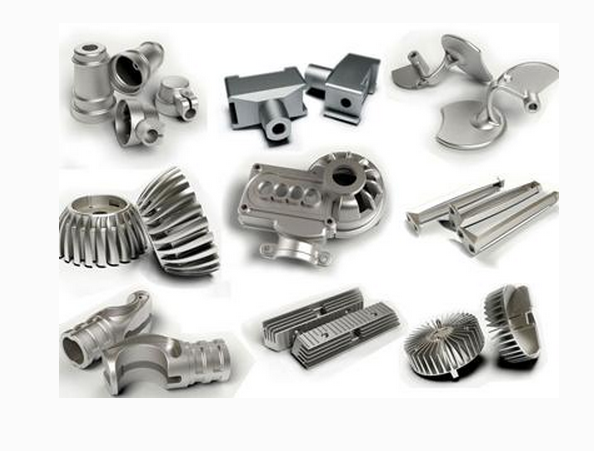
The blade design is also important. An impeller with a higher number of blades may provide more airflow but can also increase resistance, while fewer blades may improve efficiency but reduce airflow. Proper balancing of these factors is essential to optimize performance, energy efficiency, and durability. Impellers can also be designed in various styles, such as backward inclined, forward curved, and radial, each serving different dust collection requirements.
Efficiency and Performance
The efficiency of a dust collector blower impeller impacts the overall effectiveness of the dust collection system. A well-designed impeller can significantly enhance airflow while minimizing energy consumption. This is particularly important in industrial applications where energy costs can be substantial. Moreover, an efficient impeller helps maintain the necessary negative pressure in the system, ensuring that dust is effectively captured and not re-released into the workplace.
Maintenance and Longevity
Regular maintenance of dust collector blower impellers is crucial for ensuring their optimal performance and longevity. Over time, impellers can become clogged with dust, leading to reduced efficiency and increased energy consumption. Additionally, wear and tear from continuous operation can affect the balance and integrity of the impeller blades.
Routine inspections should include checking for signs of wear, ensuring that the blades are clean and free of debris, and looking for any signs of vibration, which may indicate an imbalance. If any issues are detected, timely repairs or replacements can prevent more significant problems down the line, ensuring that the dust collection system operates smoothly.
Conclusion
In conclusion, the dust collector blower impeller is an essential component of dust collection systems in industrial settings. Its design, efficiency, and maintenance directly influence the performance of the entire dust management system. By understanding the significance of these impellers, industries can implement more effective dust control strategies that not only protect workers and the environment but also enhance operational efficiency. As technologies advance, continued research and innovation in blower impeller design will further improve the capabilities of dust collection systems, paving the way for safer and more productive industrial operations.
-
Precision Valve Castings for Agricultural Irrigation and Fluid Control SystemsNewsMay.08,2026
-
Precision Impeller and Compressor Components for Agricultural MachineryNewsMay.08,2026
-
Essential Cast Components for Agricultural Machinery: Oil Management and Motor ProtectionNewsMay.08,2026
-
High-Performance Cast Components for Agricultural Machinery: From Cooling to Exhaust SystemsNewsMay.08,2026
-
Agricultural Valve Castings: Durable Flow Control Solutions for Farm Irrigation SystemsNewsMay.08,2026
-
High-Performance Agricultural Pump Components: Precision Castings for Reliable Farm OperationsNewsMay.08,2026