English

Mobile:+86-311-8081-2683
Email:info@ydcastings.com
English
Transforming 3D Prints into High-Quality Aluminum Castings for Innovative Manufacturing Solutions
3D Printing to Aluminum Casting Revolutionizing Manufacturing
In recent years, the manufacturing industry has witnessed significant transformations, particularly with the advent of additive manufacturing technologies like 3D printing. Among various applications, one area that is drawing attention is the process of using 3D printing to facilitate aluminum casting. This innovative approach not only streamlines production but also enhances the design possibilities, making it a vital development for industries ranging from automotive to aerospace.
Understanding the Process
The traditional method of aluminum casting often involves labor-intensive processes, including the creation of molds that can be both time-consuming and expensive. The traditional pattern-making process requires specialized machinery and highly-skilled labor, not to mention the material waste that comes with it. In contrast, 3D printing allows engineers and designers to create complex molds with intricate details and geometries that would be unachievable using conventional techniques.
The process typically begins with a 3D model created using Computer-Aided Design (CAD) software. This model is then used to print a mold or core using materials suitable for casting in aluminum, such as sand, resin, or even metal. The printed mold is subsequently used for pouring molten aluminum, which takes the shape of the mold as it cools and solidifies. This method significantly reduces lead times and costs, and allows for rapid prototyping and iteration, which is essential for modern product development cycles.
Benefits of 3D Printing in Aluminum Casting
1. Design Flexibility One of the most significant advantages of 3D printing in aluminum casting is the design flexibility it offers. Engineers can create complex geometries that enhance performance and aesthetics without worrying about the limitations inherent in traditional manufacturing methods. This freedom opens up possibilities for optimized heat transfer, weight reduction, and improved overall efficiency.
2. Reduced Lead Times The speed at which molds can be produced using 3D printing technology significantly shortens the time from concept to production. This rapid turnaround is particularly advantageous in industries that require frequent design updates and quick responses to market demands, such as automotive manufacturing.
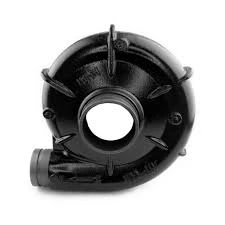
3d print to aluminum casting
3. Cost Savings By eliminating the need for costly and time-consuming traditional patterns, companies can reduce manufacturing expenses significantly. Furthermore, 3D printing minimizes material waste, contributing to overall cost-effectiveness. As businesses focus more on sustainability, this reduction in waste aligns with the need for environmentally friendly production processes.
4. Customization 3D printing allows for easy customization of molds, enabling manufacturers to cater to specific customer needs without incurring high costs. This bespoke approach is particularly beneficial for small batch production runs, where traditional methods would be prohibitively expensive.
Challenges and Considerations
While the integration of 3D printing and aluminum casting presents numerous advantages, there are challenges that manufacturers must address. The selection of suitable materials for 3D printing is crucial, as the final properties of the cast aluminum can be influenced by the mold material. Moreover, companies must ensure that their workforce is adequately trained to handle these advanced technologies and processes.
Future Prospects
The future of 3D printing in aluminum casting holds tremendous promise. As the technology continues to evolve, we can expect improvements in printing speed, material capabilities, and overall efficiency. Research and development are ongoing to enhance various aspects of this method, making it increasingly viable for a broader range of applications.
In conclusion, the combination of 3D printing and aluminum casting is making waves across multiple industries, offering remarkable benefits that traditional manufacturing methods cannot match. By embracing this innovative approach, companies are not only optimizing their production processes but also paving the way for a more sustainable and efficient future in manufacturing. As we move forward, the integration of these technologies is likely to become standard practice, further transforming how we conceive and produce complex parts in aluminum and beyond.
-
Choosing an Engine Storage Crate Cover for Material and EnvironmentNewsNov.23,2026
-
Cylinder Head Chamber Buyers: Check the Casting Specification FirstNewsNov.17,2026
-
How Impeller Casting Manufacturers Match Material, Process and EquipmentNewsNov.15,2026
-
Valve body vs. intake air chamber: Which casting fits your assembly?NewsNov.02,2026
-
Air Intake Chamber FAQ: Specifications, Ordering and Support QuestionsNewsOct.28,2026
-
Motorcycle Accessories FAQ: Specifications, Ordering and Support QuestionsNewsOct.24,2026










