English

Mobile:+86-311-8081-2683
Email:info@ydcastings.com
English
Components and Accessories for Efficient Pump Operations and Maintenance
Understanding Pump Parts Key Components and Their Functions
Pumps are essential mechanical devices used in various industries, from water management to oil refineries. They facilitate the movement of fluids by converting mechanical energy into hydraulic energy. Understanding the different pump parts and their functions is crucial for anyone involved in maintenance, design, or operation of pumping systems. In this article, we will explore the key components of pumps and their significance.
1. Pump Housing
The pump housing, or casing, is the outer shell that contains the pump's internal components. It serves several important functions it protects the internal parts from environmental damage, directs the flow of fluid, and provides structural integrity to the pump. Depending on the type of pump, housing can be made from various materials including cast iron, stainless steel, or thermoplastics to accommodate different fluid properties and operating conditions.
2. Impeller
The impeller is one of the most critical parts of a centrifugal pump. It is a rotating component that converts mechanical energy from the motor into kinetic energy, enabling the movement of fluid. The design and shape of the impeller determine the efficiency of the pump. Impellers can have different blade configurations, such as open, semi-open, or enclosed designs, which influence the flow rate and pressure generation.
3
. Suction and Discharge PortsThe suction port is where fluid enters the pump, while the discharge port is where it exits. The size and design of these ports directly affect the flow characteristics of the pump. Proper sizing is essential to prevent cavitation, a phenomenon that can cause significant damage to the pump's internal components. The alignment and sealing of these ports also play critical roles in ensuring efficient operation and minimizing leaks.
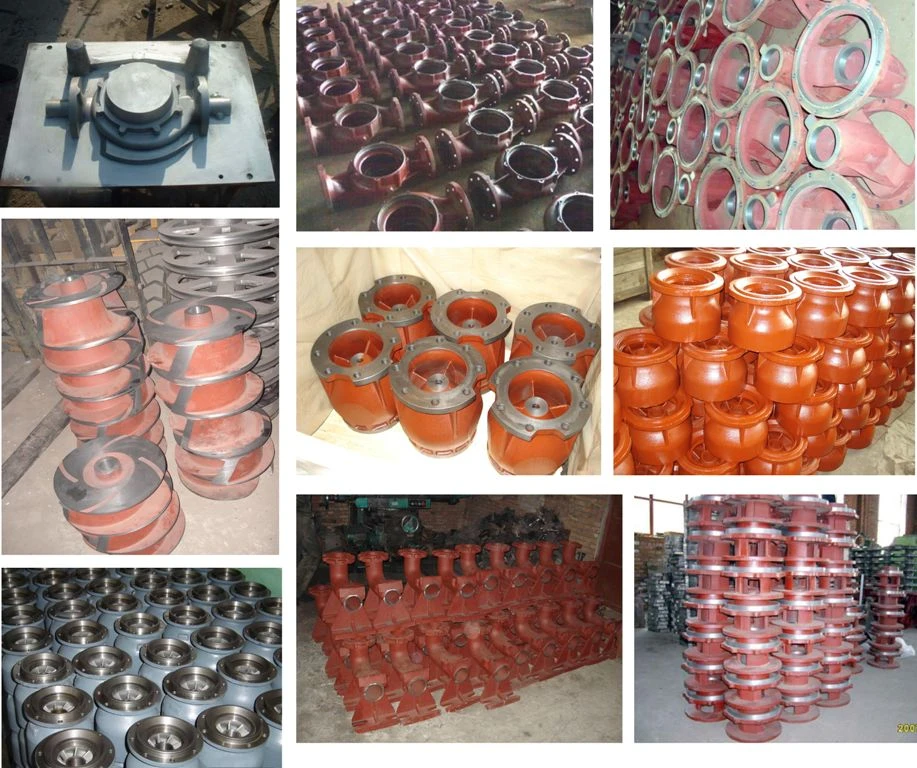
pump parts
4. Mechanical Seal or Packing
The mechanical seal or packing is used to prevent the fluid from leaking out of the pump around the shaft. Mechanical seals are more common in modern pumps due to their durability and effectiveness. They provide a tight seal that reduces wear and tear, ensuring minimal maintenance. Packing is an older method that involves using gland packing material around the shaft, which allows for manual adjustments but can lead to leakage over time.
5. Motor Drive
The motor drive is the power source that drives the impeller. Pumps can be powered by electric motors, internal combustion engines, or hydraulic motors. The choice of motor impacts the pump’s efficiency, flow characteristics, and operational cost. Variable speed drives (VSDs) are increasingly used in modern pump systems to optimize performance based on demand, reducing energy consumption and wear on the pump.
6. Pump Bearings
Pump bearings support the rotating shaft and reduce friction. Proper lubrication and maintenance of bearings are crucial for the longevity of the pump. Over time, clogged or dry bearings can lead to increased wear, resulting in pump failure. Therefore, regular inspection and maintenance are vital to ensure that bearings are functioning correctly.
Conclusion
Understanding pump parts and their functions is essential for ensuring the efficient operation of pumping systems. Each component plays a crucial role in the overall performance of the pump, and familiarity with these parts can aid in troubleshooting and maintenance. Whether in industrial settings, municipal water supply systems, or HVAC systems, knowledge of pump components not only helps in selecting the right pump for a given application but also extends the operational lifespan of the equipment. By prioritizing regular maintenance and understanding the role of each part, operators can ensure that their pumping systems run smoothly and efficiently for years to come.
-
Choosing an Engine Storage Crate Cover for Material and EnvironmentNewsNov.23,2026
-
Cylinder Head Chamber Buyers: Check the Casting Specification FirstNewsNov.17,2026
-
How Impeller Casting Manufacturers Match Material, Process and EquipmentNewsNov.15,2026
-
Valve body vs. intake air chamber: Which casting fits your assembly?NewsNov.02,2026
-
Air Intake Chamber FAQ: Specifications, Ordering and Support QuestionsNewsOct.28,2026
-
Motorcycle Accessories FAQ: Specifications, Ordering and Support QuestionsNewsOct.24,2026










