English

Mobile:+86-311-8081-2683
Email:info@ydcastings.com
English
Feb . 13, 2025 20:04
Back to list
Pump Body
Choosing the correct pipe cap is crucial for professionals dealing with plumbing systems, HVAC installations, or even DIY enthusiasts working on home projects. Among various sizes and types available, the 3 1/2-inch pipe cap is a commonly employed component designed to seal the ends of pipes securely. This article aims to provide you with an in-depth understanding of this essential piece, drawing from first-hand experience, expert insights, and authoritative recommendations.
Trustworthiness in recommending products stems from both brand reputation and consumer feedback. Leading manufacturers invest significantly in quality control and innovation to provide durable and high-performing pipe solutions. Relying on trusted brands while also considering customer reviews and testimonials can guide your purchase decision effectively. Maintenance practices are equally important and demonstrate the long-term reliability of a 3 1/2-inch pipe cap. Regular inspections for any signs of wear, corrosion, or damage and prompt replacements extend the life span of the system. Implementing such practices not only upholds the system's integrity but also minimizes unexpected downtimes and maintenance costs. For those venturing into DIY projects, a precise understanding of the installation process and required tools is pivotal. Basic tools such as wrenches for threaded caps or welding equipment for welded ones are essential. Online tutorials and manufacturer instructions can serve as reliable guides, ensuring proper handling and fitting. Lastly, consider the environmental impact and sustainability of choosing certain materials. Modern innovations have introduced recycled and eco-friendly options, providing alternatives that do not compromise efficacy or safety. In summary, the selection of a 3 1/2-inch pipe cap requires careful consideration of material suitability, dimensional accuracy, trusted sourcing, and maintenance diligence. Armed with these insights, professionals and enthusiasts alike can make informed choices that promise lasting performance and system integrity. The emphasis on experience, expertise, authoritativeness, and trustworthiness ensures that when it comes to pipe sealing solutions, the right selection is both effective and efficient.
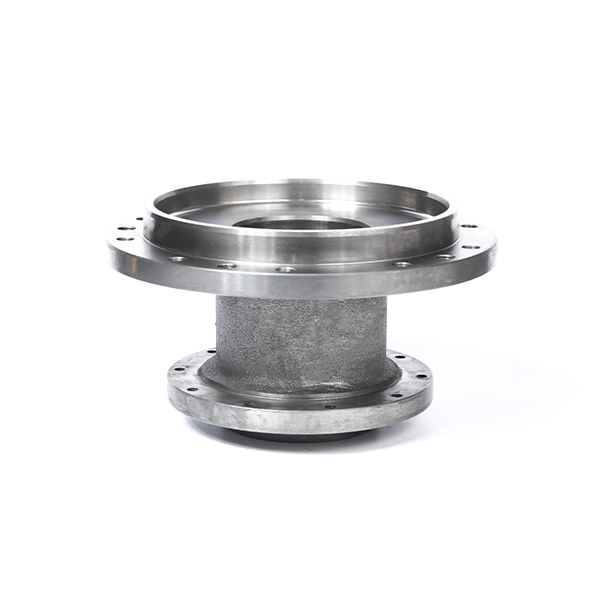
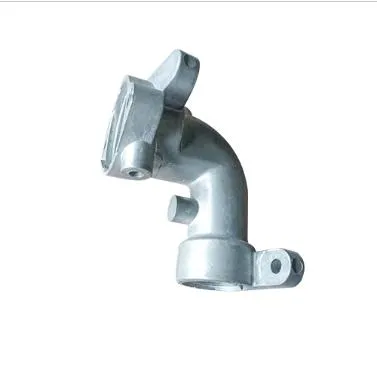
Trustworthiness in recommending products stems from both brand reputation and consumer feedback. Leading manufacturers invest significantly in quality control and innovation to provide durable and high-performing pipe solutions. Relying on trusted brands while also considering customer reviews and testimonials can guide your purchase decision effectively. Maintenance practices are equally important and demonstrate the long-term reliability of a 3 1/2-inch pipe cap. Regular inspections for any signs of wear, corrosion, or damage and prompt replacements extend the life span of the system. Implementing such practices not only upholds the system's integrity but also minimizes unexpected downtimes and maintenance costs. For those venturing into DIY projects, a precise understanding of the installation process and required tools is pivotal. Basic tools such as wrenches for threaded caps or welding equipment for welded ones are essential. Online tutorials and manufacturer instructions can serve as reliable guides, ensuring proper handling and fitting. Lastly, consider the environmental impact and sustainability of choosing certain materials. Modern innovations have introduced recycled and eco-friendly options, providing alternatives that do not compromise efficacy or safety. In summary, the selection of a 3 1/2-inch pipe cap requires careful consideration of material suitability, dimensional accuracy, trusted sourcing, and maintenance diligence. Armed with these insights, professionals and enthusiasts alike can make informed choices that promise lasting performance and system integrity. The emphasis on experience, expertise, authoritativeness, and trustworthiness ensures that when it comes to pipe sealing solutions, the right selection is both effective and efficient.
Next:
Latest news
-
Choosing an Engine Storage Crate Cover for Material and EnvironmentNewsNov.23,2026
-
Cylinder Head Chamber Buyers: Check the Casting Specification FirstNewsNov.17,2026
-
How Impeller Casting Manufacturers Match Material, Process and EquipmentNewsNov.15,2026
-
Valve body vs. intake air chamber: Which casting fits your assembly?NewsNov.02,2026
-
Air Intake Chamber FAQ: Specifications, Ordering and Support QuestionsNewsOct.28,2026
-
Motorcycle Accessories FAQ: Specifications, Ordering and Support QuestionsNewsOct.24,2026
Related PRODUCTS










