English

Mobile:+86-311-8081-2683
Email:info@ydcastings.com
English
Feb . 13, 2025 19:27
Back to list
Pump Body
In the ever-evolving world of construction and DIY projects, finding the right components to ensure stability and durability is crucial. The 2x6 metal end caps have become an indispensable asset for professionals and hobbyists alike. These robust end caps serve as the perfect finishing touch to various applications, ensuring longevity and structural integrity. Here's a deep dive into their utility, benefits, and why they're a must-have for any project involving 2x6 metal structures.
Moreover, trustworthiness is an attribute that cannot be overlooked. With a market flooded with subpar products, choosing reliable and verified 2x6 metal end caps is crucial. Reputable manufacturers often subject their products to rigorous quality control processes to ensure they meet industry standards. When sourcing these components, it’s essential to choose manufacturers with a proven track record to ensure you’re working with products that offer the best in quality and performance. The versatility of 2x6 metal end caps makes them suitable for a wide range of applications. From decking and pergolas to fencing and scaffolds, these caps provide a polished look that’s as functional as it is pleasing to the eye. For DIY enthusiasts, this means a professional finish is achievable without the need for extensive modifications or additional treatments. Additionally, the environmental benefits of using metal end caps cannot go unmentioned. By protecting the beam ends from weather-related degradation, they indirectly contribute to sustainable building practices. Structures that last longer require fewer replacements and repairs, thereby reducing the consumption of materials and resources over time—a small but significant step towards greener construction methods. In conclusion, the incorporation of 2x6 metal end caps into construction and DIY projects is not just a trend but a testament to their indispensable role in modern engineering. The combination of ease of use, structural enhancements, and long-term sustainability underscores their value in the industry. Choosing the right end caps can significantly impact the lifespan and stability of a project, making them a wise investment for any builder or DIY project planner. As the industry continues to advance, the importance of such foundational components in ensuring successful project outcomes remains steadfast.
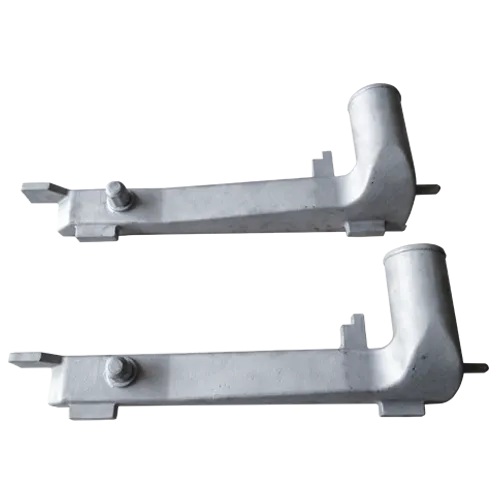
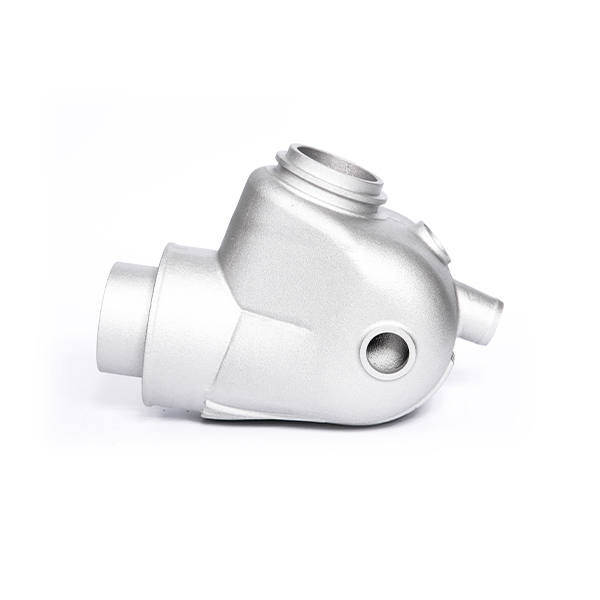
Moreover, trustworthiness is an attribute that cannot be overlooked. With a market flooded with subpar products, choosing reliable and verified 2x6 metal end caps is crucial. Reputable manufacturers often subject their products to rigorous quality control processes to ensure they meet industry standards. When sourcing these components, it’s essential to choose manufacturers with a proven track record to ensure you’re working with products that offer the best in quality and performance. The versatility of 2x6 metal end caps makes them suitable for a wide range of applications. From decking and pergolas to fencing and scaffolds, these caps provide a polished look that’s as functional as it is pleasing to the eye. For DIY enthusiasts, this means a professional finish is achievable without the need for extensive modifications or additional treatments. Additionally, the environmental benefits of using metal end caps cannot go unmentioned. By protecting the beam ends from weather-related degradation, they indirectly contribute to sustainable building practices. Structures that last longer require fewer replacements and repairs, thereby reducing the consumption of materials and resources over time—a small but significant step towards greener construction methods. In conclusion, the incorporation of 2x6 metal end caps into construction and DIY projects is not just a trend but a testament to their indispensable role in modern engineering. The combination of ease of use, structural enhancements, and long-term sustainability underscores their value in the industry. Choosing the right end caps can significantly impact the lifespan and stability of a project, making them a wise investment for any builder or DIY project planner. As the industry continues to advance, the importance of such foundational components in ensuring successful project outcomes remains steadfast.
Latest news
-
Choosing an Engine Storage Crate Cover for Material and EnvironmentNewsNov.23,2026
-
Cylinder Head Chamber Buyers: Check the Casting Specification FirstNewsNov.17,2026
-
How Impeller Casting Manufacturers Match Material, Process and EquipmentNewsNov.15,2026
-
Valve body vs. intake air chamber: Which casting fits your assembly?NewsNov.02,2026
-
Air Intake Chamber FAQ: Specifications, Ordering and Support QuestionsNewsOct.28,2026
-
Motorcycle Accessories FAQ: Specifications, Ordering and Support QuestionsNewsOct.24,2026
Related PRODUCTS










