English

Mobile:+86-311-8081-2683
Email:info@ydcastings.com
English
Feb . 13, 2025 17:54
Back to list
Pump Body
Pipe end caps are essential components in any piping system, providing a crucial finishing touch to ensure safety, efficiency, and longevity of the system. In the world of piping, the use of end caps, especially 2-inch pipe end caps, can sometimes be overlooked despite their significant contribution to system integrity and performance. Let’s delve into the multifaceted role that these components play and why their selection demands careful consideration.
In terms of authority, innovations in the design and manufacture of 2-inch pipe end caps continuously advance the piping industry. For example, manufacturers are now focusing on creating designs that facilitate quick and easy installation, which reduces time spent during the assembly process. Moreover, some advanced end caps feature threaded ends to ensure a more secure fit, which reduces the chances of accidental dislodgement or leaks. This level of innovation is crucial in high-stakes industries where the integrity of the piping system is non-negotiable. Distinguishing between low-quality and superior 2-inch pipe end caps hinges on trustworthiness—another cornerstone of selecting the right product. Reputable suppliers provide certifications and warranties that verify the quality and performance of their products. Industry compliance with standards such as ISO or ASME further attests to the reliability of pipe end caps. Engaging with suppliers who stand by their products ensures that purchasers are investing in equipment that meets rigorous industry standards. Finally, no discussion of 2-inch pipe end caps would be complete without emphasizing the importance of customized solutions. While standard sizes meet the needs of many applications, bespoke solutions cater to unique project specifications, ensuring optimal performance and efficiency. Engaging with manufacturers who offer customization options demonstrates a commitment to providing solutions that precisely meet user requirements, thus enhancing the overall reliability and effectiveness of piping systems. In conclusion, the role of 2-inch pipe end caps extends well beyond mere aesthetics or the completion of a piping system's structure. Their selection impacts system durability, integrity, and safety. By leveraging expertise, authoritative knowledge, and trustworthy products, businesses can enhance the performance and lifespan of their piping infrastructure. As the market for piping components evolves, investing in high-quality, reliable, and purpose-driven end caps will undoubtedly remain a top priority for industry stakeholders.
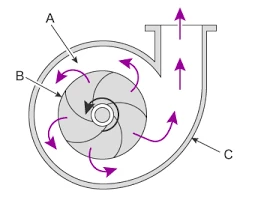
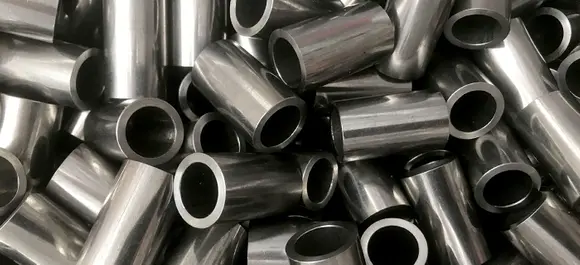
In terms of authority, innovations in the design and manufacture of 2-inch pipe end caps continuously advance the piping industry. For example, manufacturers are now focusing on creating designs that facilitate quick and easy installation, which reduces time spent during the assembly process. Moreover, some advanced end caps feature threaded ends to ensure a more secure fit, which reduces the chances of accidental dislodgement or leaks. This level of innovation is crucial in high-stakes industries where the integrity of the piping system is non-negotiable. Distinguishing between low-quality and superior 2-inch pipe end caps hinges on trustworthiness—another cornerstone of selecting the right product. Reputable suppliers provide certifications and warranties that verify the quality and performance of their products. Industry compliance with standards such as ISO or ASME further attests to the reliability of pipe end caps. Engaging with suppliers who stand by their products ensures that purchasers are investing in equipment that meets rigorous industry standards. Finally, no discussion of 2-inch pipe end caps would be complete without emphasizing the importance of customized solutions. While standard sizes meet the needs of many applications, bespoke solutions cater to unique project specifications, ensuring optimal performance and efficiency. Engaging with manufacturers who offer customization options demonstrates a commitment to providing solutions that precisely meet user requirements, thus enhancing the overall reliability and effectiveness of piping systems. In conclusion, the role of 2-inch pipe end caps extends well beyond mere aesthetics or the completion of a piping system's structure. Their selection impacts system durability, integrity, and safety. By leveraging expertise, authoritative knowledge, and trustworthy products, businesses can enhance the performance and lifespan of their piping infrastructure. As the market for piping components evolves, investing in high-quality, reliable, and purpose-driven end caps will undoubtedly remain a top priority for industry stakeholders.
Next:
Latest news
-
Choosing an Engine Storage Crate Cover for Material and EnvironmentNewsNov.23,2026
-
Cylinder Head Chamber Buyers: Check the Casting Specification FirstNewsNov.17,2026
-
How Impeller Casting Manufacturers Match Material, Process and EquipmentNewsNov.15,2026
-
Valve body vs. intake air chamber: Which casting fits your assembly?NewsNov.02,2026
-
Air Intake Chamber FAQ: Specifications, Ordering and Support QuestionsNewsOct.28,2026
-
Motorcycle Accessories FAQ: Specifications, Ordering and Support QuestionsNewsOct.24,2026
Related PRODUCTS










