English

Mobile:+86-311-8081-2683
Email:info@ydcastings.com
English
Feb . 13, 2025 17:31
Back to list
Pump Body
The world of manufacturing and design often pivots on the minutiae—the small components that hold the grander structures together. Among these components, the 18mm end cap stands out as an indispensable piece in a multitude of applications. The deceptively simple end cap is a paragon of engineering and utility, designed to fit seamlessly and perform tasks that most might overlook. But when it comes to selecting the right end cap for your needs, an expert approach can make all the difference.
For professionals and hobbyists alike, understanding the environmental conditions where the end cap will be used is equally critical. Whether it’s exposure to extreme temperatures, moisture, or chemicals, selecting the appropriate material and design can significantly extend the life of the component. This strategic selection speaks to the expertise required to navigate the often-overlooked elements that contribute to a successful application. Also crucial is the end cap's role in safety. Sealing ends of tubes and rods, these caps prevent injury from exposed metal edges and help contain fluids or gases—a noteworthy example of their authoritative function in industrial and scientific settings. Users should never underestimate the safety applications, as improper sealing can lead to hazardous material leakage or workplace injuries. Trust in the quality and suitability of an 18mm end cap often stems from reputable suppliers and brands known for their adherence to industry standards. Verifying certifications and compliance with industry-specific regulations ensures that the end caps you choose are not only appropriate for the task but also contribute to a seamless operational workflow. When engaging with suppliers, professionals recommend a detailed discussion of the specific needs and applications, ensuring that the end cap selected will fulfill its role with precision. The journey to selecting the right 18mm end cap is not merely about procurement but about forging a link in the chain that is your project's success. By leveraging deep-seated expertise and a critical eye for detail, the selection process becomes a testament to strategic planning and professional integrity. From its humble beginnings on a production line to its critical role in myriad setups, the 18mm end cap is a symbol of reliability and efficiency—one that underscores the importance of small components in the vast ecosystem of design and manufacturing.
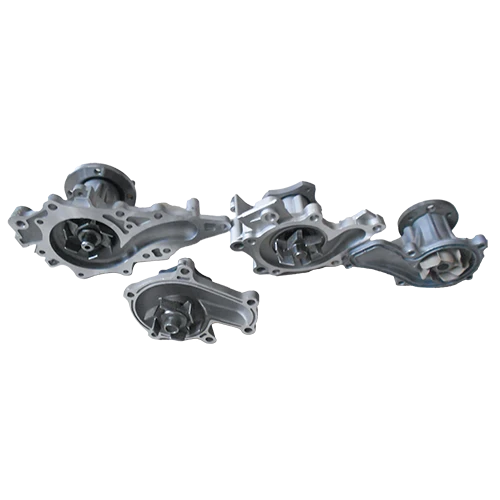
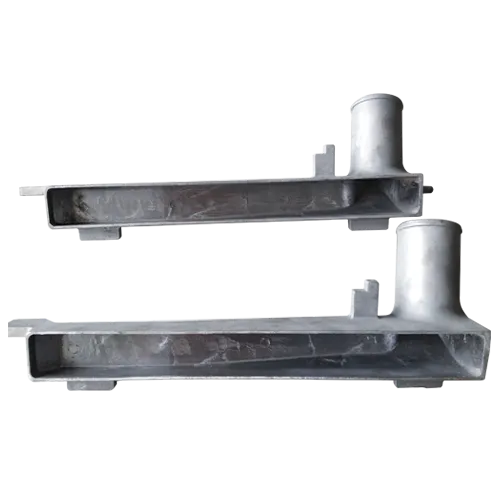
For professionals and hobbyists alike, understanding the environmental conditions where the end cap will be used is equally critical. Whether it’s exposure to extreme temperatures, moisture, or chemicals, selecting the appropriate material and design can significantly extend the life of the component. This strategic selection speaks to the expertise required to navigate the often-overlooked elements that contribute to a successful application. Also crucial is the end cap's role in safety. Sealing ends of tubes and rods, these caps prevent injury from exposed metal edges and help contain fluids or gases—a noteworthy example of their authoritative function in industrial and scientific settings. Users should never underestimate the safety applications, as improper sealing can lead to hazardous material leakage or workplace injuries. Trust in the quality and suitability of an 18mm end cap often stems from reputable suppliers and brands known for their adherence to industry standards. Verifying certifications and compliance with industry-specific regulations ensures that the end caps you choose are not only appropriate for the task but also contribute to a seamless operational workflow. When engaging with suppliers, professionals recommend a detailed discussion of the specific needs and applications, ensuring that the end cap selected will fulfill its role with precision. The journey to selecting the right 18mm end cap is not merely about procurement but about forging a link in the chain that is your project's success. By leveraging deep-seated expertise and a critical eye for detail, the selection process becomes a testament to strategic planning and professional integrity. From its humble beginnings on a production line to its critical role in myriad setups, the 18mm end cap is a symbol of reliability and efficiency—one that underscores the importance of small components in the vast ecosystem of design and manufacturing.
Latest news
-
Choosing an Engine Storage Crate Cover for Material and EnvironmentNewsNov.23,2026
-
Cylinder Head Chamber Buyers: Check the Casting Specification FirstNewsNov.17,2026
-
How Impeller Casting Manufacturers Match Material, Process and EquipmentNewsNov.15,2026
-
Valve body vs. intake air chamber: Which casting fits your assembly?NewsNov.02,2026
-
Air Intake Chamber FAQ: Specifications, Ordering and Support QuestionsNewsOct.28,2026
-
Motorcycle Accessories FAQ: Specifications, Ordering and Support QuestionsNewsOct.24,2026
Related PRODUCTS










