English

Mobile:+86-311-8081-2683
Email:info@ydcastings.com
English
Feb . 15, 2025 21:30
Back to list
cap for pipe end
Searching for high-quality, reliable 2.5 inch end caps can be a daunting task if you're unfamiliar with the options available. In the world of manufacturing and engineering, every component is essential, and end caps are no exception. Their primary role is to serve as protective covers, sealing off pipe systems, tubes, or rods, ensuring there’s no leakage and that the internal system remains uncontaminated by external elements. Choosing the right end cap can significantly enhance the durability and efficiency of your operations.
Furthermore, consultations with industry experts can provide invaluable insights. They often bring to the table nuanced knowledge about the compatibility of certain materials with specific applications, further emphasizing the importance of selecting the right 2.5 inch end cap. Professionals in fluid dynamics, for instance, might choose end caps based on their potential to minimize turbulence within a system or their resistance to various fluid types, ensuring optimum flow and efficiency. Another dimension to consider is the customization that some manufacturers offer. Businesses often have unique needs, and the ability to customize an end cap to fit specific operational requirements can be a significant advantage. Some manufacturers offer customization options, enabling modifications in design, material, or even color to better match the specific requirements of a system. Lastly, sustainability has become a critical consideration in selecting industrial components. The rise of eco-friendly manufacturing processes and materials is influencing purchasing decisions, making it crucial for those in the industry to consider options that not only meet their performance and budgetary requirements but also align with contemporary sustainability goals. Some manufacturers are now using recycled materials to produce 2.5 inch end caps without compromising on performance, an essential factor as industries strive to reduce their carbon footprint. In conclusion, selecting the right 2.5 inch end cap requires combining a thorough understanding of your specific operational needs with market research, consultation with experts, and an awareness of industry standards. By meticulously assessing these factors, professionals can ensure their systems are both efficient and reliable, underpinned by components that stand up to scrutiny in terms of performance and sustainability.
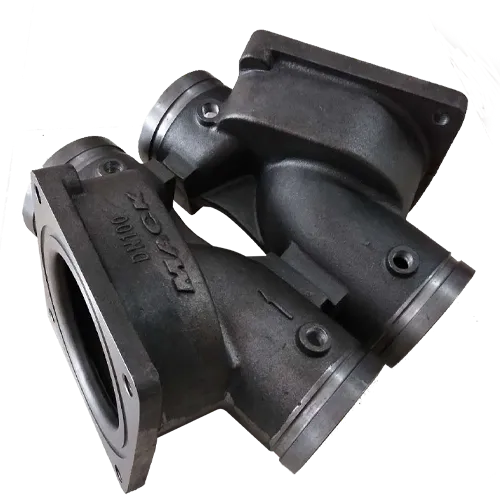
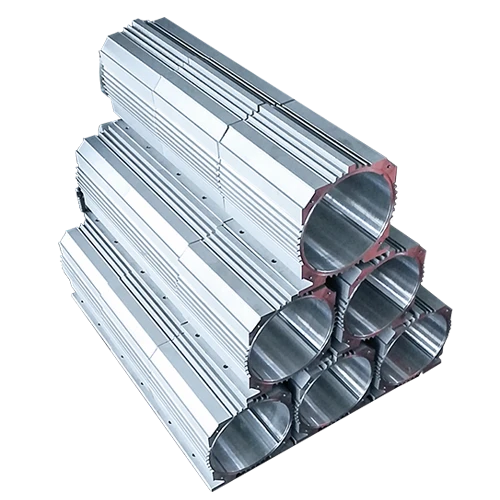
Furthermore, consultations with industry experts can provide invaluable insights. They often bring to the table nuanced knowledge about the compatibility of certain materials with specific applications, further emphasizing the importance of selecting the right 2.5 inch end cap. Professionals in fluid dynamics, for instance, might choose end caps based on their potential to minimize turbulence within a system or their resistance to various fluid types, ensuring optimum flow and efficiency. Another dimension to consider is the customization that some manufacturers offer. Businesses often have unique needs, and the ability to customize an end cap to fit specific operational requirements can be a significant advantage. Some manufacturers offer customization options, enabling modifications in design, material, or even color to better match the specific requirements of a system. Lastly, sustainability has become a critical consideration in selecting industrial components. The rise of eco-friendly manufacturing processes and materials is influencing purchasing decisions, making it crucial for those in the industry to consider options that not only meet their performance and budgetary requirements but also align with contemporary sustainability goals. Some manufacturers are now using recycled materials to produce 2.5 inch end caps without compromising on performance, an essential factor as industries strive to reduce their carbon footprint. In conclusion, selecting the right 2.5 inch end cap requires combining a thorough understanding of your specific operational needs with market research, consultation with experts, and an awareness of industry standards. By meticulously assessing these factors, professionals can ensure their systems are both efficient and reliable, underpinned by components that stand up to scrutiny in terms of performance and sustainability.
Next:
Latest news
-
Choosing an Engine Storage Crate Cover for Material and EnvironmentNewsNov.23,2026
-
Cylinder Head Chamber Buyers: Check the Casting Specification FirstNewsNov.17,2026
-
How Impeller Casting Manufacturers Match Material, Process and EquipmentNewsNov.15,2026
-
Valve body vs. intake air chamber: Which casting fits your assembly?NewsNov.02,2026
-
Air Intake Chamber FAQ: Specifications, Ordering and Support QuestionsNewsOct.28,2026
-
Motorcycle Accessories FAQ: Specifications, Ordering and Support QuestionsNewsOct.24,2026
Related PRODUCTS










