English

Mobile:+86-311-8081-2683
Email:info@ydcastings.com
English
Feb . 15, 2025 21:11
Back to list
16mm blanking cap
Exploring the world of industrial piping, one might encounter the humble yet essential 16mm blanking cap. Far more than a simple component, this modest fitting plays a crucial role in various piping systems, enhancing safety, functionality, and maintenance efficiency. Understanding its importance requires delving into its applications, materials, and the specific circumstances where it becomes indispensable.
A key aspect of utilizing 16mm blanking caps lies in their ease of installation and removal. They are engineered for simplicity, often involving straightforward processes like threading or push-fit connections to swiftly secure them onto pipe ends. This user-friendly design is a boon for maintenance teams, allowing for quick adjustments or inspections without extensive system downtime. The selection process for the correct blanking cap demands expertise, taking into account factors like temperature, pressure ratings, and the nature of fluids involved. Professionals rely on industry standards, such as those set by the American National Standards Institute (ANSI) or the International Organization for Standardization (ISO), to guide their choices, ensuring compatibility and compliance with existing systems. It’s through an understanding of these nuances that industries can harness the full potential of 16mm blanking caps. Businesses that employ the right type for their specific applications not only enhance operational efficiency but also elevate safety standards, reflecting a profound respect for both technological and human resources. To summarize, the 16mm blanking cap, while small, is an essential component in the efficient and safe operation of piping systems. Its role transcends mere functionality, encompassing aspects of maintenance, safety, and compliance across various sectors. By selecting the appropriate cap for each industrial application, businesses can avoid costly errors, extend the lifespan of their infrastructure, and maintain a standard of excellence that fosters trust and reliability in their operations.
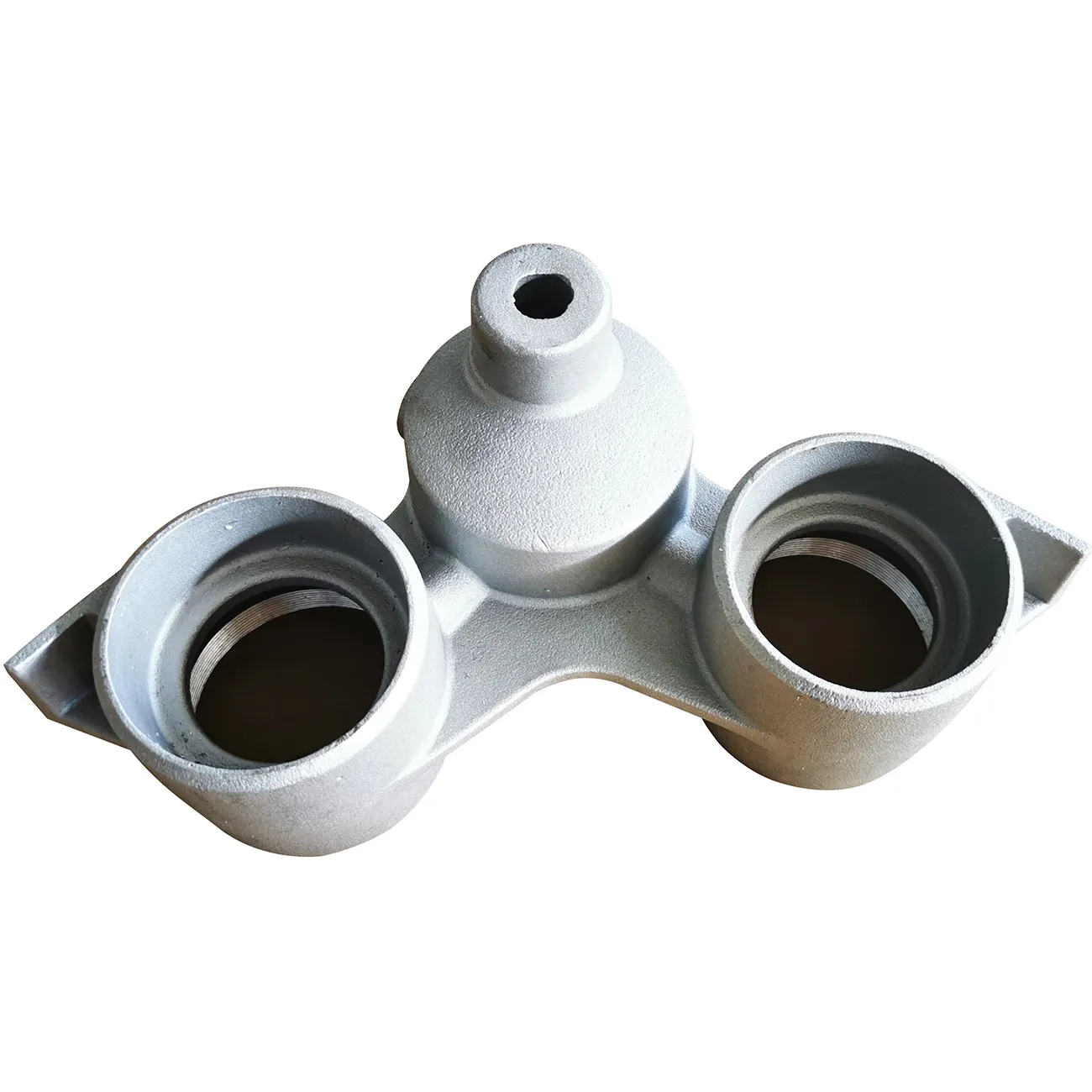

A key aspect of utilizing 16mm blanking caps lies in their ease of installation and removal. They are engineered for simplicity, often involving straightforward processes like threading or push-fit connections to swiftly secure them onto pipe ends. This user-friendly design is a boon for maintenance teams, allowing for quick adjustments or inspections without extensive system downtime. The selection process for the correct blanking cap demands expertise, taking into account factors like temperature, pressure ratings, and the nature of fluids involved. Professionals rely on industry standards, such as those set by the American National Standards Institute (ANSI) or the International Organization for Standardization (ISO), to guide their choices, ensuring compatibility and compliance with existing systems. It’s through an understanding of these nuances that industries can harness the full potential of 16mm blanking caps. Businesses that employ the right type for their specific applications not only enhance operational efficiency but also elevate safety standards, reflecting a profound respect for both technological and human resources. To summarize, the 16mm blanking cap, while small, is an essential component in the efficient and safe operation of piping systems. Its role transcends mere functionality, encompassing aspects of maintenance, safety, and compliance across various sectors. By selecting the appropriate cap for each industrial application, businesses can avoid costly errors, extend the lifespan of their infrastructure, and maintain a standard of excellence that fosters trust and reliability in their operations.
Latest news
-
Choosing an Engine Storage Crate Cover for Material and EnvironmentNewsNov.23,2026
-
Cylinder Head Chamber Buyers: Check the Casting Specification FirstNewsNov.17,2026
-
How Impeller Casting Manufacturers Match Material, Process and EquipmentNewsNov.15,2026
-
Valve body vs. intake air chamber: Which casting fits your assembly?NewsNov.02,2026
-
Air Intake Chamber FAQ: Specifications, Ordering and Support QuestionsNewsOct.28,2026
-
Motorcycle Accessories FAQ: Specifications, Ordering and Support QuestionsNewsOct.24,2026
Related PRODUCTS










