English

Mobile:+86-311-8081-2683
Email:info@ydcastings.com
English
15mm End Feed Cap for Plumbing Connections and Installations
Understanding 15mm End Feed Caps A Comprehensive Guide
In the world of plumbing and construction, efficiency and reliability are two of the most sought-after qualities. Among the various components that contribute to these qualities, the 15mm end feed cap stands out as a crucial fitting. This article delves into the specifics of 15mm end feed caps, their applications, benefits, and installation methods, providing a comprehensive understanding of this essential plumbing component.
What is a 15mm End Feed Cap?
A 15mm end feed cap is a type of plumbing fitting designed to close the open end of a 15mm pipe. Typically made from copper or brass, these caps allow for a smooth and secure connection in various plumbing systems. The 15mm in the name refers to the diameter of the pipe that the cap is designed for, making it a standard fitting for residential and commercial plumbing applications.
End feed caps are characterized by their straightforward design—a cylindrical shape with a socket on one end that fits over the pipe, ensuring a tight seal when properly installed. This design allows for soldering, a method that enhances the durability and strength of the connection by using heat to join the materials together.
Applications of 15mm End Feed Caps
The applications of 15mm end feed caps are widespread across the plumbing industry. They are commonly used to
1. Seal Open Pipe Ends When a plumbing line needs to be capped off, these caps provide a quick and effective solution to prevent leaks and maintain system integrity.
2. Join Pipes In some instances, end feed caps can be used in conjunction with other fittings to join sections of piping, particularly in complex plumbing configurations.
3. Maintenance and Repairs During plumbing repairs or alterations, existing pipe sections may require capping. End feed caps allow plumbers to efficiently seal off pipes without the need for extensive rework.
4. Heating Systems In heating systems such as central heating, where 15mm pipes are commonly used for radiators, end feed caps help in achieving a leak-proof installment, thus optimizing the system's efficiency.
Benefits of Using 15mm End Feed Caps
The benefits of incorporating 15mm end feed caps into plumbing projects are significant
. Some of the key advantages include- Durability Made from robust materials like copper and brass, these fittings are resistant to corrosion and wear, ensuring a long lifespan even in demanding environments.
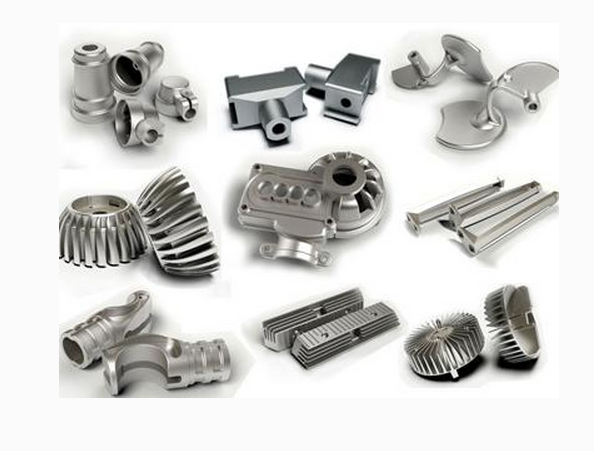
15mm end feed cap
- Ease of Installation With proper soldering techniques, end feed caps can be installed swiftly and effectively, minimizing downtime in plumbing repairs or installations.
- Leak Prevention The tight seal created when soldering the cap to the pipe significantly reduces the risk of leaks, which is a common issue in less secure fittings.
- Cost-Effectiveness Given their durability and reliability, 15mm end feed caps prove to be a cost-effective choice for long-term plumbing solutions.
Installation of 15mm End Feed Caps
Installing a 15mm end feed cap requires some basic tools and adherence to safety practices. Here’s a step-by-step guide to the installation process
1. Preparation Ensure the pipe ends are clean and free of debris. Use a pipe cutter or a suitable tool to remove any burrs.
2. Position the Cap Slide the end feed cap onto the end of the 15mm pipe, ensuring a snug fit.
3. Apply Heat Use a propane torch to evenly heat the joint where the cap and pipe meet. Ensure you maintain a safe distance from flammable materials.
4. Soldering Once the joint is sufficiently heated (you can tell when the solder begins to melt), apply solder around the joint to create a strong bond.
5. Cooling and Inspection Allow the joint to cool naturally, then inspect the seal for any gaps or issues.
6. Testing After installation, it’s essential to test the system for leaks. This can be done by running water through the pipes and checking for any signs of moisture around the cap.
Conclusion
In summary, the 15mm end feed cap is an essential fitting in the plumbing sector, offering durability, reliability, and straightforward installation. Whether for new installations or maintenance tasks, understanding its characteristics and applications will help both professionals and DIY enthusiasts achieve successful plumbing outcomes. By choosing high-quality end feed caps and following proper installation practices, one can ensure a robust and leak-free plumbing system that stands the test of time.
-
Choosing an Engine Storage Crate Cover for Material and EnvironmentNewsNov.23,2026
-
Cylinder Head Chamber Buyers: Check the Casting Specification FirstNewsNov.17,2026
-
How Impeller Casting Manufacturers Match Material, Process and EquipmentNewsNov.15,2026
-
Valve body vs. intake air chamber: Which casting fits your assembly?NewsNov.02,2026
-
Air Intake Chamber FAQ: Specifications, Ordering and Support QuestionsNewsOct.28,2026
-
Motorcycle Accessories FAQ: Specifications, Ordering and Support QuestionsNewsOct.24,2026










