English

Mobile:+86-311-8081-2683
Email:info@ydcastings.com
English
cast impeller
The Significance of Cast Impellers in Modern Engineering
In the realm of modern engineering, the components used in various machinery are crucial for optimizing performance and efficiency. Among these components, cast impellers play a vital role, particularly in the fields of fluid dynamics and mechanical systems. Impellers are typically used in pumps and turbines to move fluids, and their design and manufacturing directly impact the functionality of these machines.
Cast impellers are notable for their robust construction and versatility, allowing them to be used in various applications across industries, including water treatment, chemical processing, and power generation. The casting process, which involves pouring liquid metal into a mold to produce complex shapes, allows for intricate designs that are often difficult to achieve through traditional machining methods. This capability is especially beneficial for creating impellers that require specific performance characteristics, such as improved flow rates or resistance to wear and corrosion.
One of the primary advantages of cast impellers is their strength and durability. The casting process often results in a denser material with uniform grain structure, which enhances the physical properties of the impeller. This strength is crucial for impellers that operate under high pressure and flow conditions, as they must withstand significant mechanical stress without deforming or failing. The use of high-quality alloys in casting further contributes to the longevity and efficiency of the impellers, ensuring a longer service life and reduced maintenance costs.
In addition to durability, the ability to customize cast impellers for specific applications sets them apart from their counterparts made through other manufacturing methods
. Engineers can design impellers with varying blade shapes, sizes, and angles tailored to the fluid being pumped or the specific operational requirements of the system. For example, a radial impeller might be best suited for applications needing high discharge pressure, while an axial impeller may excel in situations requiring high flow rates. This adaptability allows for optimized performance, which is essential in industries where efficiency is paramount.cast impeller
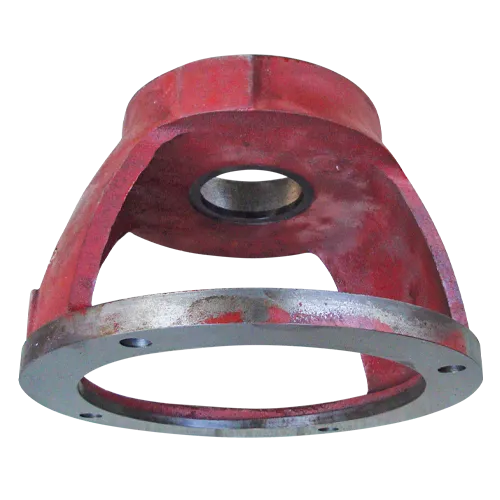
Furthermore, advancements in casting technology have significantly enhanced the precision and quality of cast impellers. Innovations such as computer-aided design (CAD) and computer-aided manufacturing (CAM) allow for more accurate modeling and production processes. These technologies enable engineers to simulate fluid dynamics and predict the performance of impellers before they are produced, leading to better designs that enhance functionality.
Environmental considerations also come into play with the production and use of cast impellers. As industries move towards sustainability, manufacturers increasingly focus on sourcing materials responsibly and designing products that minimize energy consumption. Cast impellers, particularly those made from recycled metals, can significantly reduce the carbon footprint associated with production processes.
Moreover, the ease of maintenance is another critical factor that underscores the importance of cast impellers. Many cast impellers can be designed for easy disassembly, facilitating maintenance and repairs. This feature is particularly advantageous in large industrial settings where downtime can lead to significant financial losses.
In conclusion, cast impellers epitomize the convergence of strength, versatility, and technological advancement in engineering. Their role in improving the efficiency and reliability of fluid-handling systems cannot be overstated. As industries continue to evolve and seek innovative solutions to meet growing demands, the importance of casting technology in producing high-performance impellers will undoubtedly remain essential. Whether in water treatment facilities or power plants, cast impellers are foundational components that ensure the smooth and effective operation of machinery across various sectors.
-
Choosing an Engine Storage Crate Cover for Material and EnvironmentNewsNov.23,2026
-
Cylinder Head Chamber Buyers: Check the Casting Specification FirstNewsNov.17,2026
-
How Impeller Casting Manufacturers Match Material, Process and EquipmentNewsNov.15,2026
-
Valve body vs. intake air chamber: Which casting fits your assembly?NewsNov.02,2026
-
Air Intake Chamber FAQ: Specifications, Ordering and Support QuestionsNewsOct.28,2026
-
Motorcycle Accessories FAQ: Specifications, Ordering and Support QuestionsNewsOct.24,2026










