English

Mobile:+86-311-8081-2683
Email:info@ydcastings.com
English
Feb . 13, 2025 14:20
Back to list
cap for pipe end
Navigating the world of industrial components often leads to specialized terms like 1.5 end cap, a critical element found in various piping and tubing systems. This component, though seemingly minor, plays a vital role in ensuring the safety, functionality, and longevity of industrial operations, particularly in sectors requiring precise fluid control and management.
Authoritative guidelines often underscore the necessity of using standardized components, such as the 1.5 end cap, that comply with international quality and safety standards. Standards set by organizations like the American Society of Mechanical Engineers (ASME) or the International Organization for Standardization (ISO) ensure that these components meet rigorous performance criteria. Compliance with these standards not only aligns with industry regulations but also assures stakeholders of the integrity and efficiency of their systems. Trustworthiness in product selection extends beyond materials and standards to include the reputability of the supplier. Engaging with vendors who have a legacy of quality assurance and customer support ensures that the components installed will perform as expected throughout their service life. It also provides a support line for any potential issues, which could otherwise escalate to critical system failures. In summary, the selection and implementation of a 1.5 end cap may seem a small aspect of industrial system design, yet it stands as a cornerstone of operational efficiency and safety. Its significance is underlined by the careful consideration of materials, compliance with standards, and the reputation of suppliers. Industries reliant on precision and control look to components like the 1.5 end cap to maintain seamless operations, reduce downtime, and adhere to stringent safety and performance standards. As such, these small but mighty components deserve due diligence in their selection and maintenance to ensure that industrial processes run smoothly and without interruption.
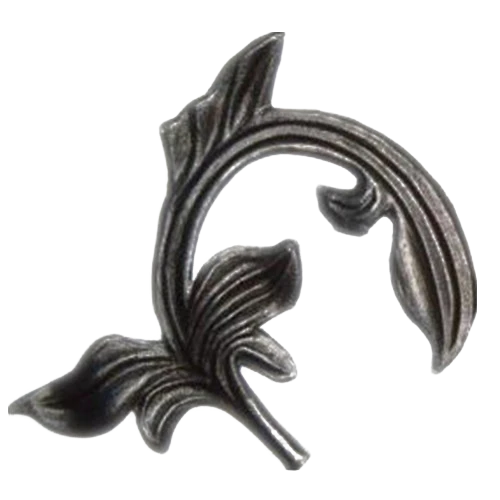
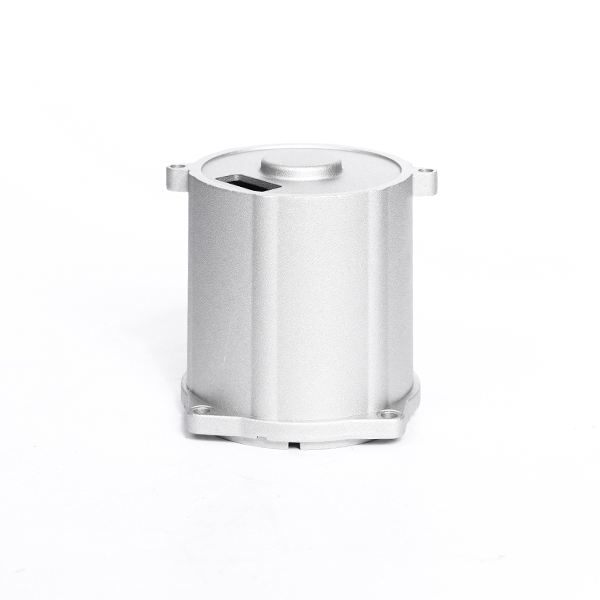
Authoritative guidelines often underscore the necessity of using standardized components, such as the 1.5 end cap, that comply with international quality and safety standards. Standards set by organizations like the American Society of Mechanical Engineers (ASME) or the International Organization for Standardization (ISO) ensure that these components meet rigorous performance criteria. Compliance with these standards not only aligns with industry regulations but also assures stakeholders of the integrity and efficiency of their systems. Trustworthiness in product selection extends beyond materials and standards to include the reputability of the supplier. Engaging with vendors who have a legacy of quality assurance and customer support ensures that the components installed will perform as expected throughout their service life. It also provides a support line for any potential issues, which could otherwise escalate to critical system failures. In summary, the selection and implementation of a 1.5 end cap may seem a small aspect of industrial system design, yet it stands as a cornerstone of operational efficiency and safety. Its significance is underlined by the careful consideration of materials, compliance with standards, and the reputation of suppliers. Industries reliant on precision and control look to components like the 1.5 end cap to maintain seamless operations, reduce downtime, and adhere to stringent safety and performance standards. As such, these small but mighty components deserve due diligence in their selection and maintenance to ensure that industrial processes run smoothly and without interruption.
Next:
Latest news
-
Choosing an Engine Storage Crate Cover for Material and EnvironmentNewsNov.23,2026
-
Cylinder Head Chamber Buyers: Check the Casting Specification FirstNewsNov.17,2026
-
How Impeller Casting Manufacturers Match Material, Process and EquipmentNewsNov.15,2026
-
Valve body vs. intake air chamber: Which casting fits your assembly?NewsNov.02,2026
-
Air Intake Chamber FAQ: Specifications, Ordering and Support QuestionsNewsOct.28,2026
-
Motorcycle Accessories FAQ: Specifications, Ordering and Support QuestionsNewsOct.24,2026
Related PRODUCTS










