English

Mobile:+86-311-8081-2683
Email:info@ydcastings.com
English
Feb . 13, 2025 13:52
Back to list
cap for pipe end
Threaded pipe fittings such as the 1-inch threaded pipe cap are crucial components in various plumbing and piping systems. They serve the essential function of capping the end of a pipe, thereby stopping the flow of water or gas in a system. These components are used in residential, commercial, and industrial settings, providing a reliable seal and preventing leaks. Understanding the nuanced application and selection of the right threaded pipe cap can significantly impact system efficiency and safety.
Installation of a threaded pipe cap requires minimal tools, usually just a pipe wrench or adjustable pliers. However, a common recommendation is to apply a thread sealant or Teflon tape around the threads before installation. This practice not only ensures an even tighter seal but also makes future removal easier. During installation, it is crucial not to overtighten, as excessive force can damage the threads, leading to leaks or the need for replacement. The versatility of a 1-inch threaded pipe cap is not limited to just capping unused pipe ends. They are also widely employed for operational testing of piping systems. By capping off certain sections, engineers and plumbers can isolate segments of the system to check for leaks, pressure integrity, or malfunctioning components, thereby ensuring the system's overall reliability and efficiency. Trustworthiness in choosing a 1-inch threaded pipe cap comes with sourcing from reputable manufacturers and suppliers. Products certified by industry standards guarantee quality and performance consistency. Furthermore, product reviews and detailed manufacturer guidelines enhance customer confidence in the product's reliability and suitability for specific applications. In summary, a 1-inch threaded pipe cap is more than just a simple component; it is a vital part in maintaining the integrity and function of piping systems. A detailed understanding of material properties, thread compatibility, and installation practices contributes significantly to its effectiveness and longevity. Proper sourcing and adherence to industry standards further strengthen the trustworthiness of using these components in critical applications.
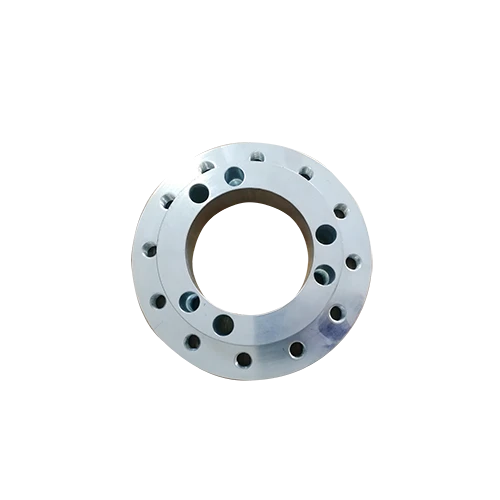
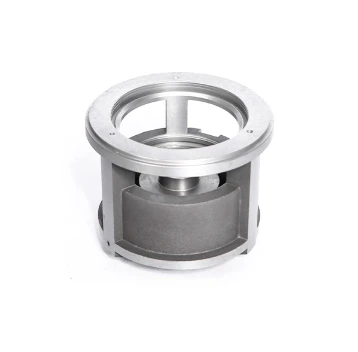
Installation of a threaded pipe cap requires minimal tools, usually just a pipe wrench or adjustable pliers. However, a common recommendation is to apply a thread sealant or Teflon tape around the threads before installation. This practice not only ensures an even tighter seal but also makes future removal easier. During installation, it is crucial not to overtighten, as excessive force can damage the threads, leading to leaks or the need for replacement. The versatility of a 1-inch threaded pipe cap is not limited to just capping unused pipe ends. They are also widely employed for operational testing of piping systems. By capping off certain sections, engineers and plumbers can isolate segments of the system to check for leaks, pressure integrity, or malfunctioning components, thereby ensuring the system's overall reliability and efficiency. Trustworthiness in choosing a 1-inch threaded pipe cap comes with sourcing from reputable manufacturers and suppliers. Products certified by industry standards guarantee quality and performance consistency. Furthermore, product reviews and detailed manufacturer guidelines enhance customer confidence in the product's reliability and suitability for specific applications. In summary, a 1-inch threaded pipe cap is more than just a simple component; it is a vital part in maintaining the integrity and function of piping systems. A detailed understanding of material properties, thread compatibility, and installation practices contributes significantly to its effectiveness and longevity. Proper sourcing and adherence to industry standards further strengthen the trustworthiness of using these components in critical applications.
Next:
Latest news
-
Choosing an Engine Storage Crate Cover for Material and EnvironmentNewsNov.23,2026
-
Cylinder Head Chamber Buyers: Check the Casting Specification FirstNewsNov.17,2026
-
How Impeller Casting Manufacturers Match Material, Process and EquipmentNewsNov.15,2026
-
Valve body vs. intake air chamber: Which casting fits your assembly?NewsNov.02,2026
-
Air Intake Chamber FAQ: Specifications, Ordering and Support QuestionsNewsOct.28,2026
-
Motorcycle Accessories FAQ: Specifications, Ordering and Support QuestionsNewsOct.24,2026
Related PRODUCTS










