English

Mobile:+86-311-8081-2683
Email:info@ydcastings.com
English
Feb . 05, 2025 02:46
Back to list
cap for pipe end
In the realm of industrial and residential plumbing, the 10-inch pipe cap stands as a quintessential solution for sealing and protecting pipe ends. For industry professionals and DIY enthusiasts alike, understanding and utilizing the right pipe cap can significantly influence the efficiency and longevity of a plumbing system. This comprehensive guide explores the versatile applications, materials, and benefits, as well as expert tips on selecting the most suitable 10-inch pipe cap for different scenarios.
Additionally, understanding pressure ratings is crucial. Each cap material and design come with specific pressure tolerances. Ensuring compatibility with the existing pipeline’s pressure conditions is pivotal to maintaining system integrity. Flow velocity and fluid characteristics (whether gaseous or liquid) further dictate the suitable material choice. Installation practices also contribute to the effectiveness of a 10-inch pipe cap. Ensuring a tight, secure fit helps maintain system safety and efficiency. Employing the correct sealing methods, such as gasket usage with metallic caps, helps prevent leaks and enhances durability. The advantages of integrating a high-quality 10-inch pipe cap into a system are multifaceted. They provide critical containment, protect investments in hydraulic and pneumatic systems, and reduce maintenance costs by minimizing exposure to potentially damaging external elements. Their role in system safety cannot be understated; a well-fitted pipe cap significantly decreases the risk of accidents caused by leaks or over-pressurization. For professionals seeking credibility and reliability in pipeline management, aligning with trusted suppliers is essential. Leading manufacturers employ rigorous testing and quality assurance processes that ensure every pipe cap meets industry standards for performance and safety. When choosing a supplier, consider their track record in the industry, testimonials from other customers, and the variety of options offered to meet different industrial needs. A reputable provider will also offer technical support, assisting customers in selecting and integrating the perfect 10-inch pipe cap tailored to their specific requirements. As the industry transitions towards sustainability, certain manufacturers innovate with eco-friendly materials and processes. These advancements present opportunities for companies looking to integrate more sustainable practices in their operations without compromising on quality or efficacy. For optimal decision-making, consulting with industry experts can offer valuable insights into the latest trends and technological advances in pipe cap solutions. With the evolving landscape of industrial and residential needs, staying informed equates to staying ahead, ensuring systems remain safe, effective, and compliant with modern standards. In conclusion, the 10-inch pipe cap is a small yet crucial component in the plumbing and piping industry. Whether dealing with industrial-scale projects or smaller residential systems, understanding the nuances of material choice, pressure requirements, and installation practices will lead to improved performance and safety. By prioritizing quality and partnering with credible suppliers, one can ensure that every pipe end is secured, protecting both infrastructure and environment.
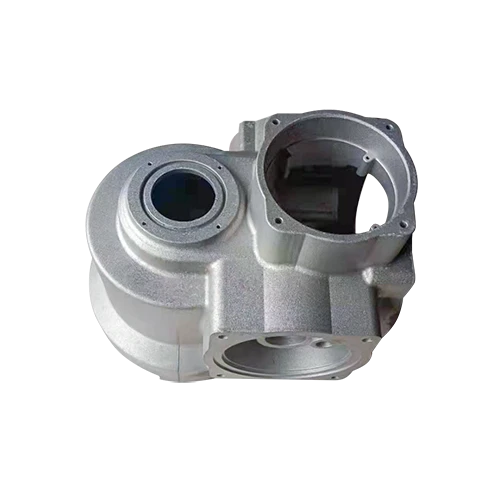
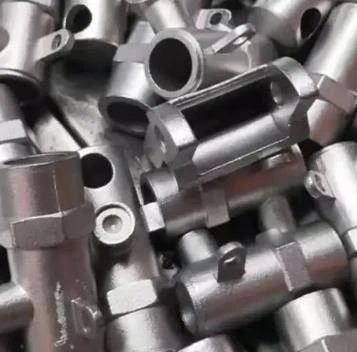
Additionally, understanding pressure ratings is crucial. Each cap material and design come with specific pressure tolerances. Ensuring compatibility with the existing pipeline’s pressure conditions is pivotal to maintaining system integrity. Flow velocity and fluid characteristics (whether gaseous or liquid) further dictate the suitable material choice. Installation practices also contribute to the effectiveness of a 10-inch pipe cap. Ensuring a tight, secure fit helps maintain system safety and efficiency. Employing the correct sealing methods, such as gasket usage with metallic caps, helps prevent leaks and enhances durability. The advantages of integrating a high-quality 10-inch pipe cap into a system are multifaceted. They provide critical containment, protect investments in hydraulic and pneumatic systems, and reduce maintenance costs by minimizing exposure to potentially damaging external elements. Their role in system safety cannot be understated; a well-fitted pipe cap significantly decreases the risk of accidents caused by leaks or over-pressurization. For professionals seeking credibility and reliability in pipeline management, aligning with trusted suppliers is essential. Leading manufacturers employ rigorous testing and quality assurance processes that ensure every pipe cap meets industry standards for performance and safety. When choosing a supplier, consider their track record in the industry, testimonials from other customers, and the variety of options offered to meet different industrial needs. A reputable provider will also offer technical support, assisting customers in selecting and integrating the perfect 10-inch pipe cap tailored to their specific requirements. As the industry transitions towards sustainability, certain manufacturers innovate with eco-friendly materials and processes. These advancements present opportunities for companies looking to integrate more sustainable practices in their operations without compromising on quality or efficacy. For optimal decision-making, consulting with industry experts can offer valuable insights into the latest trends and technological advances in pipe cap solutions. With the evolving landscape of industrial and residential needs, staying informed equates to staying ahead, ensuring systems remain safe, effective, and compliant with modern standards. In conclusion, the 10-inch pipe cap is a small yet crucial component in the plumbing and piping industry. Whether dealing with industrial-scale projects or smaller residential systems, understanding the nuances of material choice, pressure requirements, and installation practices will lead to improved performance and safety. By prioritizing quality and partnering with credible suppliers, one can ensure that every pipe end is secured, protecting both infrastructure and environment.
Next:
Latest news
-
Choosing an Engine Storage Crate Cover for Material and EnvironmentNewsNov.23,2026
-
Cylinder Head Chamber Buyers: Check the Casting Specification FirstNewsNov.17,2026
-
How Impeller Casting Manufacturers Match Material, Process and EquipmentNewsNov.15,2026
-
Valve body vs. intake air chamber: Which casting fits your assembly?NewsNov.02,2026
-
Air Intake Chamber FAQ: Specifications, Ordering and Support QuestionsNewsOct.28,2026
-
Motorcycle Accessories FAQ: Specifications, Ordering and Support QuestionsNewsOct.24,2026
Related PRODUCTS










