Móvil:+86-311-808-126-83
Correo electrónico:info@ydcastings.com

Aluminum End Caps and Compression Solutions: A Complete Guide for Modern Applications
In modern construction, manufacturing, and industrial design, finishing components play a critical role in both functionality and aesthetics. Among these components, aluminum end caps, compression cap end, compression end cap, decking end caps, drain end cap, round end caps, y tubing caps are widely used across industries to protect, seal, and enhance structural systems. Although these parts may appear simple, their engineering value is significant—they help prevent contamination, reduce wear, improve safety, and extend the lifespan of metal and plastic assemblies.
This article explores the types, applications, materials, and advantages of these caps, providing a comprehensive overview of how they contribute to modern engineering solutions.
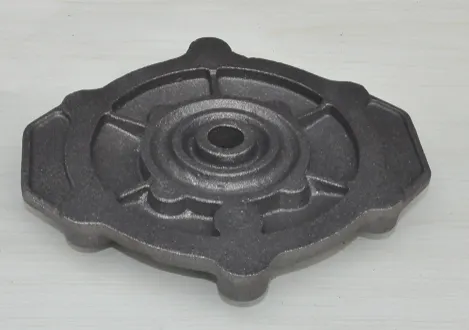
Understanding the Role of End Caps in Industrial and Structural Systems
End caps are protective or finishing components installed at the ends of tubes, pipes, profiles, and structural sections. Their primary purpose is to close open ends, preventing dust, moisture, debris, and other external elements from entering internal cavities. In addition, they provide safety by covering sharp edges and improving the overall appearance of a finished product.
One of the most commonly used materials in this category is aluminum, known for its strength-to-weight ratio, corrosion resistance, and durability. Aluminum end caps are especially popular in architectural and industrial applications where both performance and aesthetics matter. They are frequently used in furniture frames, railing systems, machinery housings, and outdoor structures.
Different designs serve different functional needs. For example, round end caps are typically used for circular tubing, while square or rectangular variations are used in structural framing systems. The versatility of these components allows engineers and designers to select the most suitable option for specific load, environment, and sealing requirements.
In environments where sealing pressure is important, components like the compression cap end and compression end cap are widely used. These caps rely on mechanical compression to create a tight fit, ensuring that the cap remains securely in place even under vibration or pressure changes. This makes them ideal for mechanical assemblies, fluid systems, and structural tubing that requires a reliable closure system.
Material Selection and Functional Variations of End Caps
The effectiveness of any end cap depends heavily on material choice and structural design. While aluminum remains a top choice due to its lightweight strength, other materials such as rubber, plastic, and stainless steel are also commonly used depending on application requirements.
Tubing caps are one of the most versatile categories in this product family. They are designed to fit inside or over the ends of tubes and pipes, providing both internal and external protection. In manufacturing and furniture production, tubing caps are frequently used to prevent scratches on flooring, reduce noise, and improve product stability.
In outdoor and architectural applications, decking end caps play a crucial role. These caps are designed to finish the exposed ends of decking boards or railing systems. Beyond aesthetics, they help protect internal structures from water infiltration, which can lead to swelling, corrosion, or structural degradation over time. By sealing open ends, decking end caps contribute significantly to the durability of outdoor installations.
Similarly, drainage systems rely on specialized components such as the drain end cap. This type of cap is engineered to manage or restrict fluid flow at the end of a drainage channel or pipe. In some cases, it serves as a removable seal for maintenance access, while in others it provides a permanent closure to control water direction within a system. The design of a drain end cap often includes sealing features such as rubber gaskets or threaded fittings to ensure leak-free performance.
Another important variation is the compression cap end, which is designed for applications requiring secure mechanical fastening without welding or adhesives. These caps are commonly used in modular systems where components must be easily assembled or disassembled. The compression mechanism ensures a firm grip while still allowing flexibility during installation or maintenance.
El compression end cap, closely related in function, is often used in piping systems and industrial frameworks where pressure resistance is required. Unlike simple push-fit caps, compression versions are engineered to withstand higher mechanical stress and environmental exposure. This makes them suitable for hydraulic systems, pneumatic lines, and structural tubing in heavy-duty environments.
Applications, Advantages, and Industry Use Cases
The applications of end caps span across multiple industries including construction, automotive, furniture manufacturing, HVAC systems, and industrial engineering. Each type of cap serves a specialized function, but all contribute to system protection, safety, and longevity.
In architectural and construction projects, aluminum end caps are widely used in curtain wall systems, handrails, and framing structures. Their corrosion resistance makes them ideal for both indoor and outdoor environments. Additionally, aluminum provides a clean, modern finish that enhances visual appeal while maintaining structural integrity.
In furniture design, round end caps and tubing caps are essential for finishing metal frames such as chairs, tables, and shelving units. These caps prevent sharp metal edges from causing injury and also protect flooring surfaces from scratches. Their use is not only functional but also contributes to product quality perception.
Industrial machinery also relies heavily on sealing components like the compression cap end and compression end cap. These parts help secure open ends of pipes and tubes used in fluid transfer systems, pneumatic lines, and mechanical supports. Their ability to withstand vibration and pressure fluctuations makes them essential in high-performance environments.
Outdoor decking systems benefit significantly from decking end caps, which protect exposed wood or composite materials from environmental damage. Without proper sealing, moisture can enter exposed ends and cause long-term deterioration. By using these caps, builders can significantly extend the lifespan of outdoor structures while maintaining a polished appearance.
Similarly, water management systems depend on the reliability of the drain end cap. Whether used in residential plumbing or large-scale infrastructure, these caps ensure controlled water flow and prevent unwanted leakage. In maintenance scenarios, removable versions of drain caps provide easy access for inspection and cleaning, improving system efficiency and reducing downtime.
Beyond their functional roles, end caps offer economic advantages as well. They are cost-effective components that prevent expensive damage to larger systems. By sealing and protecting vulnerable ends, they reduce maintenance costs and extend product lifecycle. Their ease of installation also reduces labor time, making them an efficient solution in both small-scale and industrial projects.
Another important benefit is customization. Modern manufacturing techniques allow end caps to be produced in various sizes, shapes, and materials. This ensures compatibility with a wide range of applications, from precision engineering to large structural frameworks. Whether using round end caps for simple tubing or specialized compression end cap systems for industrial machinery, designers can select exactly what they need for optimal performance.
In conclusion, end caps may appear to be minor components, but their impact on structural integrity, safety, and durability is substantial. From aluminum end caps used in architectural design to tubing caps in furniture manufacturing and drain end cap systems in fluid management, these small parts play a major role in ensuring that modern engineering systems function efficiently and reliably.
-
Advanced Manufacturing Technologies in Modern Industrial ProductionNoticiasMay.22,2026
-
Engine Oil Management Tools: Essential Solutions for Clean and Efficient Automotive MaintenanceNoticiasMay.22,2026
-
Car Water Pump Systems: Efficiency, Cleaning Applications, and Market OverviewNoticiasMay.22,2026
-
Industrial Valve Castings and Flow Control Solutions in Modern EngineeringNoticiasMay.22,2026
-
Aluminum End Caps and Compression Solutions: A Complete Guide for Modern ApplicationsNoticiasMay.22,2026
-
Precision Valve Castings for Agricultural Irrigation and Fluid Control SystemsNoticiasMay.08,2026