Handy, Mobiltelefon:+86-311-808-126-83
Email:info@ydcastings.com

Comprehensive Guide to Aluminum Casting Processes and Industry Applications
Aluminum casting plays a vital role in modern manufacturing, offering a balance of strength, weight reduction, and cost efficiency. Industries such as automotive, aerospace, construction, and electronics rely heavily on aluminum casting technologies to produce complex and durable components. Whether businesses are evaluating aluminum casting price, searching for reliable aluminium casting companies, or exploring advanced techniques like aluminium investment casting, understanding the full landscape is essential.
This article provides an in-depth overview of aluminum casting methods, materials, costs, and how to choose the right production approach.
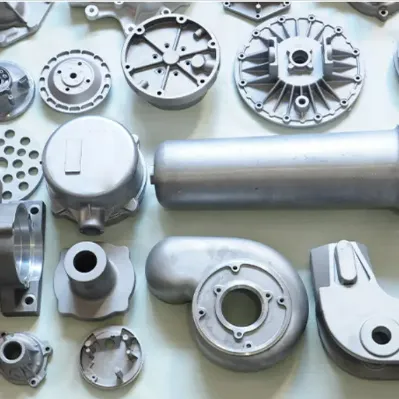
Key Aluminum Casting Methods and Their Applications
Aluminum casting includes several specialized processes, each suited to different product requirements, tolerances, and production volumes. Choosing the right method directly impacts quality, cost, and efficiency.
Aluminum Gravity Die Casting
Aluminum gravity die casting is a widely used process where molten aluminum is poured into a reusable metal mold using gravity rather than high pressure. This method is ideal for medium-volume production and offers excellent mechanical properties.
Key advantages include:
Better strength compared to sand casting
Reusable molds, reducing long-term costs
Good surface finish and dimensional accuracy
Lower porosity compared to high-pressure die casting
This process is commonly used for automotive parts, machinery housings, and structural components where durability is critical.
Aluminium Investment Casting
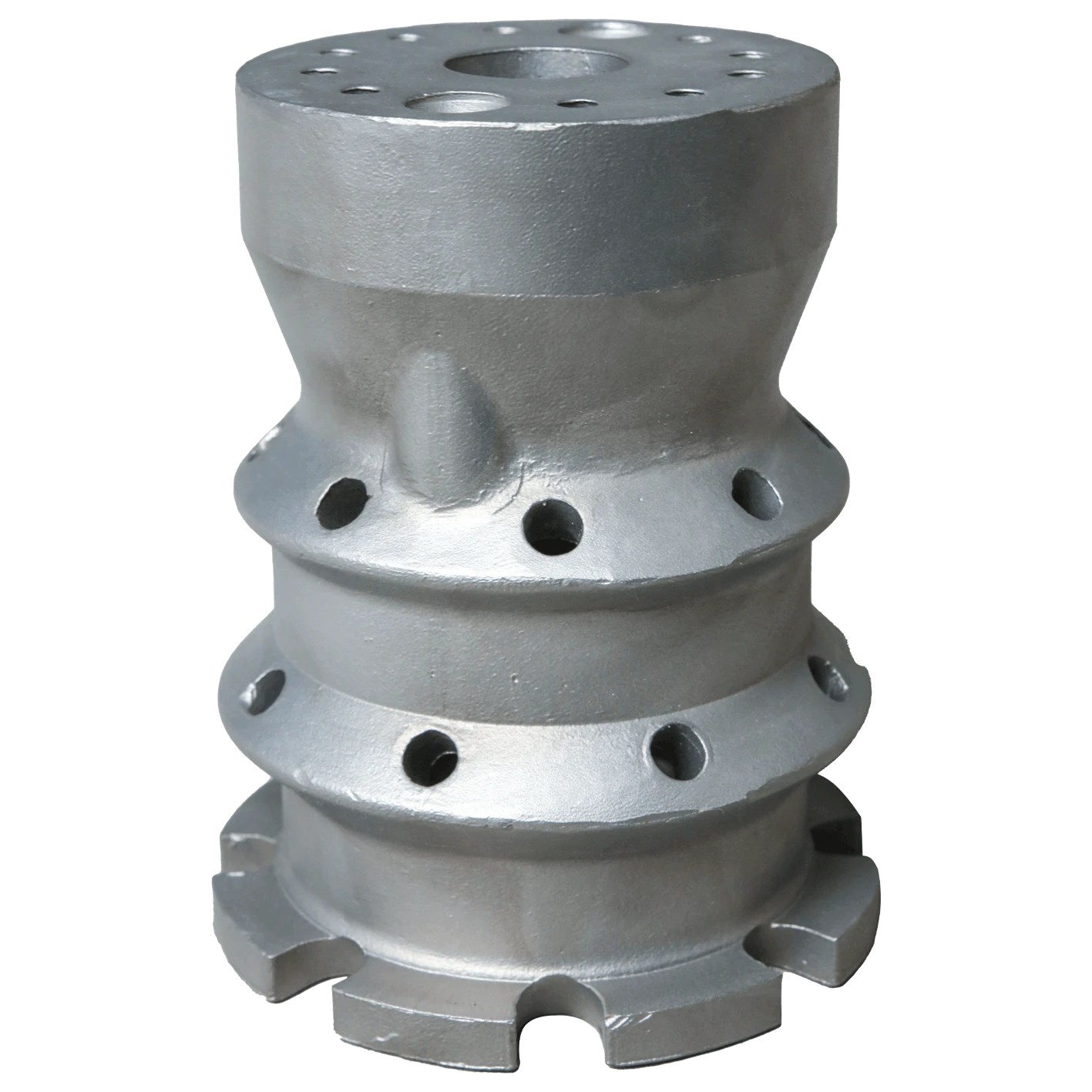
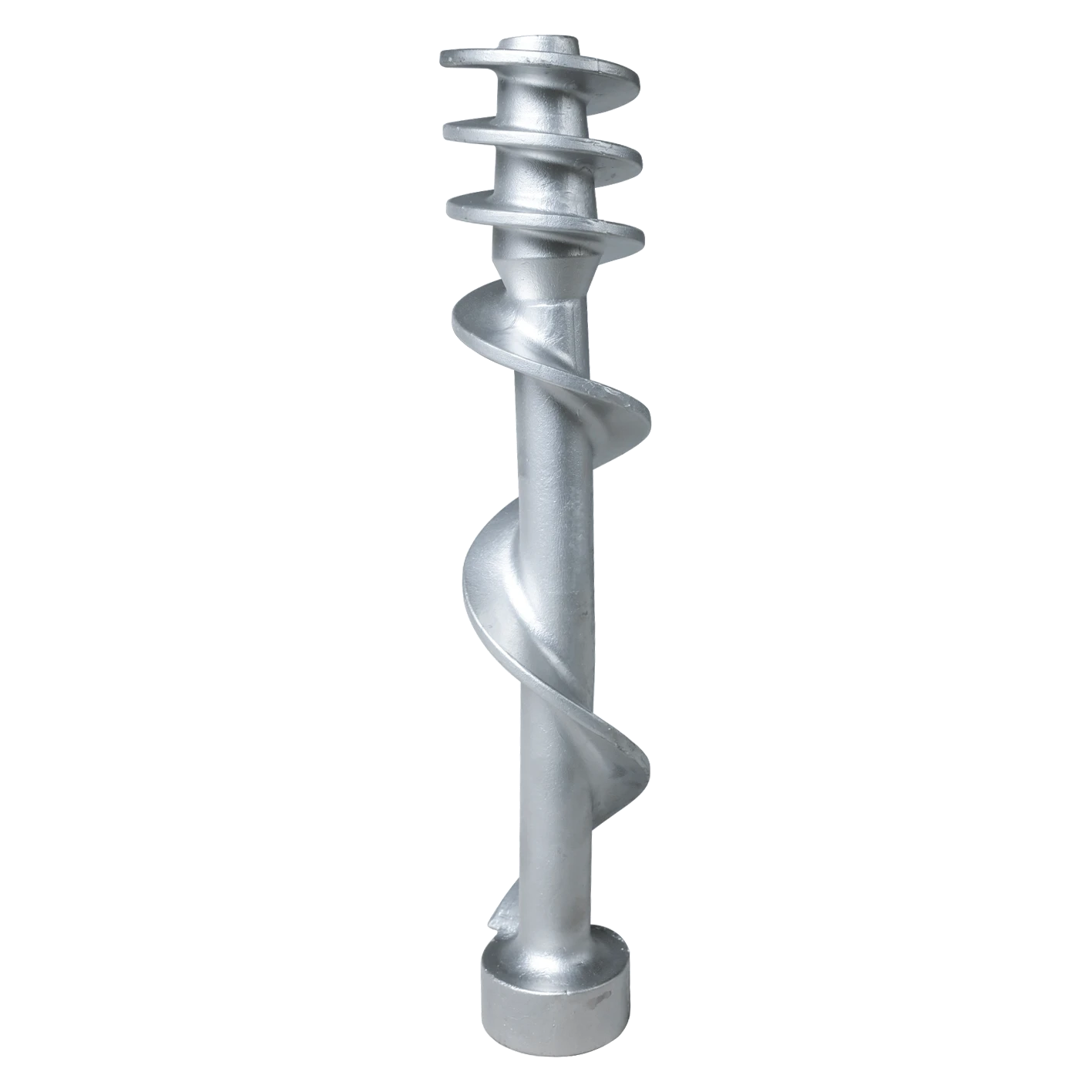
Aluminium investment casting, also known as lost-wax casting, is a precision process that allows for intricate and complex geometries. It is especially useful for components requiring tight tolerances and fine surface finishes.
Benefits of aluminum investment casting include:
Exceptional dimensional accuracy
Ability to produce complex shapes
Minimal machining requirements
Smooth surface finish
Industries such as aerospace and medical equipment often rely on this process for high-performance components. The repeated mention of aluminum investment casting highlights its importance in precision engineering and advanced manufacturing.
Aluminum Bronze Casting
Aluminum bronze casting involves copper-based alloys that contain aluminum as the primary alloying element. This material offers unique properties that make it suitable for demanding environments.
Key characteristics include:
Excellent corrosion resistance, especially in marine environments
High strength and wear resistance
Good thermal and electrical conductivity
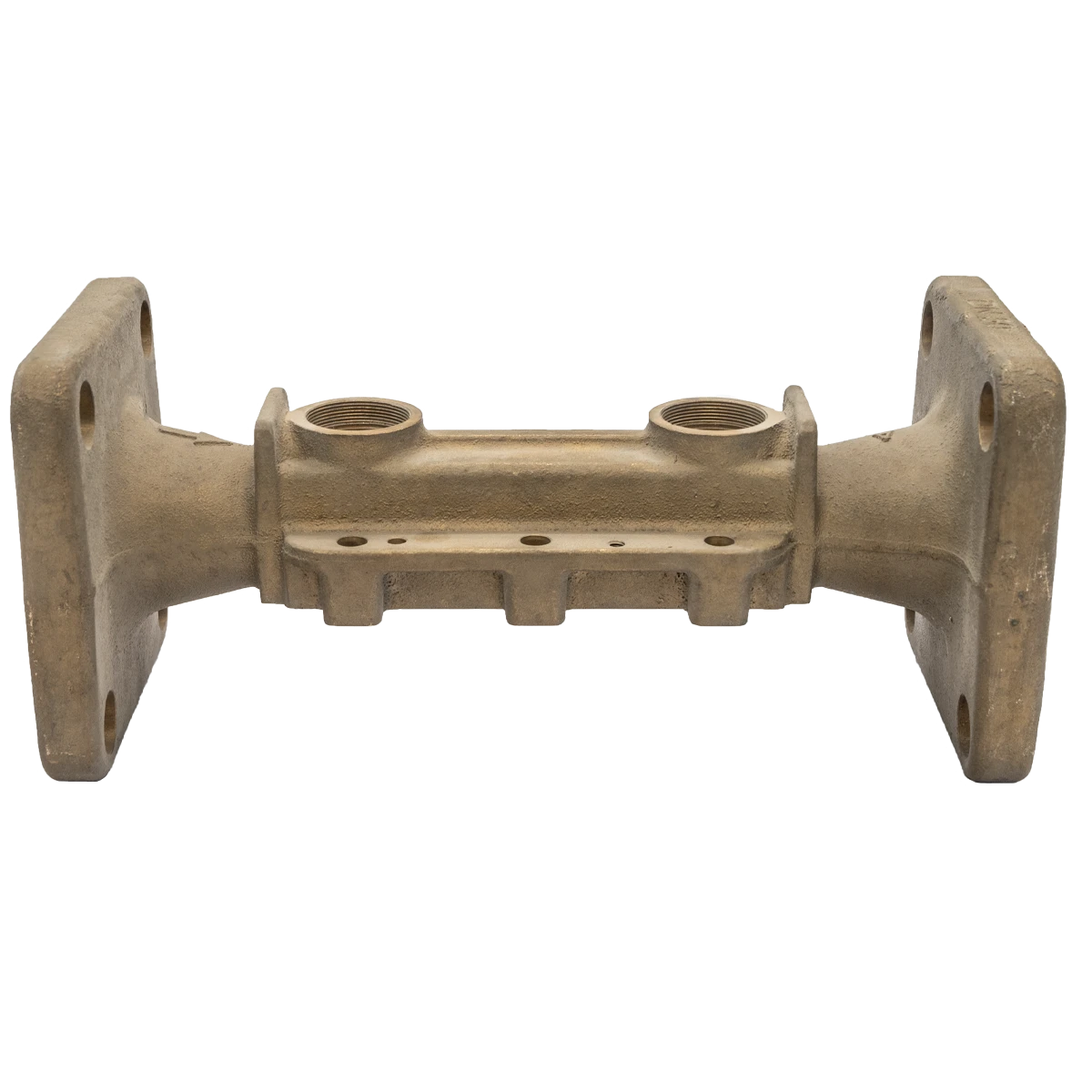
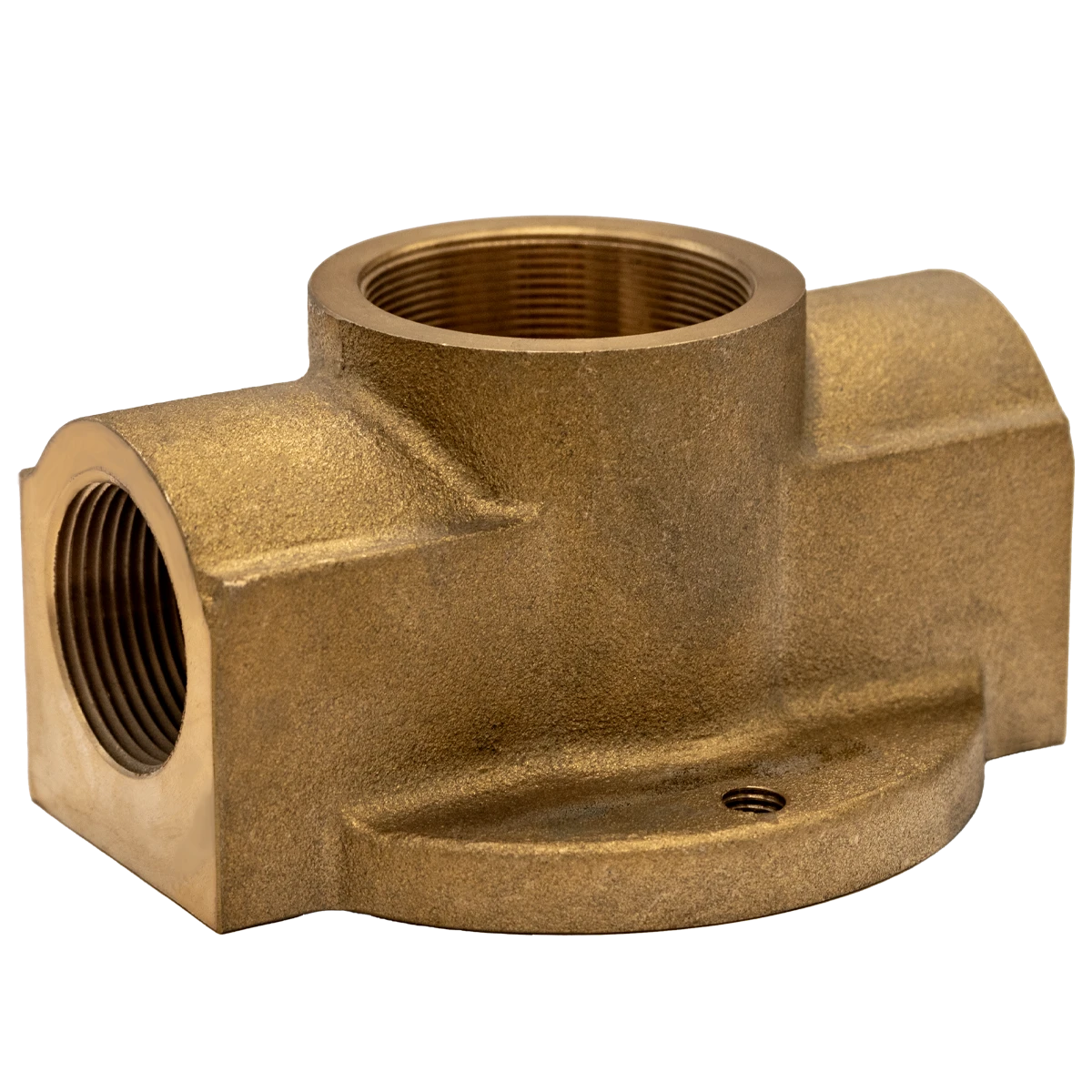
This type of casting is commonly used in marine hardware, pumps, valves, and heavy-duty industrial components.
Factors Influencing Aluminum Casting Price
Understanding aluminum casting price is essential for budgeting and supplier selection. The cost of aluminum casting can vary significantly depending on several factors.
Material Costs
The price of raw aluminum fluctuates based on global market conditions. Alloy composition also plays a role, as specialized alloys may increase costs.
Complexity of Design
More complex designs require:
Advanced molds
Additional machining
Longer production time
Processes like aluminium investment casting may have higher upfront costs but reduce finishing expenses.
Tooling and Molds
The cost of an aluminum die casting mould can be substantial, especially for high-pressure die casting. However, this investment is justified in large production runs due to:
High repeatability
Faster production cycles
Lower per-unit cost over time
Production Volume
Higher volumes typically reduce the cost per unit. Methods like gravity die casting and die casting become more economical as production scales increase.
Labor and Finishing
Secondary processes such as machining, polishing, coating, and inspection also contribute to the overall cost.
By carefully evaluating these factors, businesses can better estimate aluminum casting price and optimize their manufacturing budgets.
Choosing the Right Aluminium Casting Companies
Selecting reliable aluminium casting companies is a critical step in ensuring product quality and project success. With many suppliers available globally, businesses must evaluate partners based on several key criteria.
Technical Expertise
A reputable casting company should have experience in multiple processes, including:
Aluminum gravity die casting
Aluminium investment casting
Aluminum bronze casting
This versatility ensures they can recommend the best solution for your specific application.
Tooling Capabilities
The ability to design and manufacture high-quality aluminum die casting mould systems is essential. Advanced tooling ensures:
Consistent part quality
Reduced defects
Longer mold lifespan
Quality Control
Top-tier aluminium casting companies implement strict quality assurance processes, including:
Material testing
Dimensional inspection
Non-destructive testing
Certifications such as ISO standards are often indicators of reliable quality management.
Customization and Engineering Support
Manufacturers offering design assistance can help optimize parts for casting, reducing costs and improving performance. This is especially important for complex projects involving aluminium investment casting or specialized alloys.
Production Capacity and Lead Time
Ensure the supplier can meet your volume requirements and deliver within your timeline. Efficient production planning is crucial for maintaining supply chain stability.
The Role of Aluminum Die Casting Moulds in Production
Der aluminum die casting mould is one of the most critical components in the casting process. It directly affects product quality, consistency, and production efficiency.
Types of Moulds
Different casting processes require different mold types:
Steel molds for high-pressure die casting
Permanent molds for gravity die casting
Wax patterns for investment casting
Each type is designed to withstand specific temperatures and pressures.
Design Considerations
A well-designed mold must account for:
Thermal expansion
Metal flow behavior
Cooling rates
Ejection mechanisms
Proper mold design minimizes defects such as porosity, shrinkage, and warping.
Maintenance and Lifespan
High-quality molds can last for thousands of production cycles. Regular maintenance ensures consistent performance and reduces downtime.
Investing in a durable aluminum die casting mould is essential for achieving long-term cost efficiency and product reliability.
Future Trends in Aluminum Casting Industry
The aluminum casting industry continues to evolve with technological advancements and changing market demands.
Automation and Smart Manufacturing
Robotics and automated systems are improving production speed and reducing human error. Smart factories are becoming increasingly common among leading aluminium casting companies.
Sustainable Practices
Recycling aluminum requires significantly less energy than producing new material. Many manufacturers are adopting eco-friendly practices to reduce environmental impact.
Advanced Materials
New aluminum alloys and composite materials are being developed to enhance strength, heat resistance, and performance.
Digital Simulation
Simulation software allows manufacturers to optimize casting designs before production, reducing waste and improving quality.
Aluminum casting remains a cornerstone of modern manufacturing due to its versatility, efficiency, and adaptability. Whether evaluating aluminum casting price, selecting among leading aluminium casting companies, or choosing between processes like aluminium investment casting and aluminum gravity die casting, understanding the available options is key to success.
From precision-driven aluminum investment casting to durable aluminum bronze casting and high-efficiency production using advanced aluminum die casting mould systems, each method offers unique advantages.
By partnering with experienced suppliers and selecting the right casting process, businesses can achieve superior product quality, cost efficiency, and long-term competitiveness in today’s global market.
-
Precision Valve Castings for Agricultural Irrigation and Fluid Control SystemsNachrichtMay.08,2026
-
Precision Impeller and Compressor Components for Agricultural MachineryNachrichtMay.08,2026
-
Essential Cast Components for Agricultural Machinery: Oil Management and Motor ProtectionNachrichtMay.08,2026
-
High-Performance Cast Components for Agricultural Machinery: From Cooling to Exhaust SystemsNachrichtMay.08,2026
-
Agricultural Valve Castings: Durable Flow Control Solutions for Farm Irrigation SystemsNachrichtMay.08,2026
-
High-Performance Agricultural Pump Components: Precision Castings for Reliable Farm OperationsNachrichtMay.08,2026