English

Mobile:+86-311-8081-2683
Email:info@ydcastings.com
English
Welding Techniques and Best Practices for Cast Steel Applications
Welding Cast Steel Techniques and Considerations
Welding cast steel is a challenging yet essential process in manufacturing and repair operations across various industries. Unlike wrought steel, which is malleable and can be easily shaped, cast steel has a distinct crystalline structure that can complicate welding. In this article, we will explore the techniques, processes, and considerations involved in welding cast steel.
Understanding Cast Steel
Cast steel is a versatile alloy composed primarily of iron, carbon, and various other elements, which enhances its strength and durability. It is used in many applications, from machinery components to structural elements. However, its properties can result in difficulties during welding, including cracking, distortion, and a weakened heat-affected zone (HAZ).
Pre-Welding Preparation
Before welding, adequate preparation is crucial to minimize potential issues. First, it's essential to assess the cast steel's composition and mechanical properties, as different alloys may have specific welding requirements. Cleaning the surfaces to be welded is also vital. Removal of contaminants like rust, oil, and dirt can significantly enhance the quality of the weld.
Choosing the Right Welding Process
Several welding methods can be employed when working with cast steel, including
1. MIG Welding (Metal Inert Gas) MIG welding is suitable for thinner sections of cast steel. It allows for a smooth, efficient welding process with minimal spatter. However, care must be taken to select appropriate filler materials that match the base metal.
2. TIG Welding (Tungsten Inert Gas) TIG welding offers enhanced control over the welding process, making it ideal for detailed work and critical applications. It provides a clean, high-quality weld but may require more skill and time.
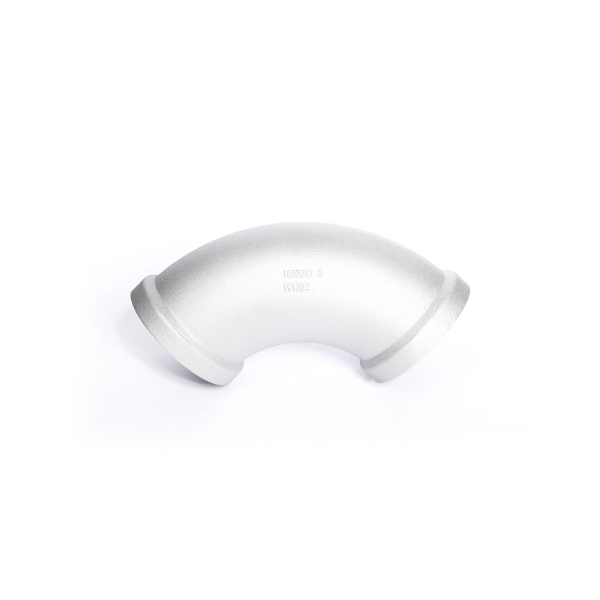
welding cast steel
3. Stick Welding (SMAW) Stick welding is a widely used method that is effective for cast steel. It can handle thicker sections and is particularly useful in outdoor conditions. The choice of electrodes is essential, as using the wrong type can lead to defects.
4. Submerged Arc Welding (SAW) This method is best suited for heavy sections and is known for producing strong bonds with minimal exposure to atmospheric contaminants.
Post-Welding Considerations
After welding, several post-weld treatments can improve the integrity of the joint
- Stress Relief Heat Treatment This process involves heating the welded part to a specific temperature and then slowly cooling it. It helps to relieve residual stresses that can lead to cracking.
- Inspection and Testing Non-destructive testing methods, such as ultrasonic or radiographic testing, can help identify defects in the weld joint. Visual inspections are also crucial to ensure the weld meets the required standards.
- Surface Treatment Depending on the application, applying protective coatings or paints can enhance corrosion resistance and prolong the life of the welded component.
Conclusion
Welding cast steel is a complex process that requires a thorough understanding of both the material and the welding techniques involved. Proper preparation, careful selection of welding methods, and effective post-weld treatments are essential to achieving high-quality welds. With the right approach, challenges associated with welding cast steel can be successfully managed, allowing for the development of robust and durable components for various applications. Whether in construction, manufacturing, or repair, mastering the art of welding cast steel is vital for any metalworker or engineer.
-
Choosing an Engine Storage Crate Cover for Material and EnvironmentNewsNov.23,2026
-
Cylinder Head Chamber Buyers: Check the Casting Specification FirstNewsNov.17,2026
-
How Impeller Casting Manufacturers Match Material, Process and EquipmentNewsNov.15,2026
-
Valve body vs. intake air chamber: Which casting fits your assembly?NewsNov.02,2026
-
Air Intake Chamber FAQ: Specifications, Ordering and Support QuestionsNewsOct.28,2026
-
Motorcycle Accessories FAQ: Specifications, Ordering and Support QuestionsNewsOct.24,2026










