English

Mobile:+86-311-8081-2683
Email:info@ydcastings.com
English
Understanding the Characteristics and Applications of WC9 Steel in Modern Industry
Understanding WC9 Steel Properties, Applications, and Benefits
WC9 steel, part of the wider class of carbon-molybdenum steels, is known for its significant strength, toughness, and resistance to heat. With a chemical composition primarily consisting of carbon (C) and molybdenum (Mo), this alloy is specifically designed to withstand high temperatures and pressures, making it an ideal material for various industrial applications.
Composition and Properties
The chemical makeup of WC9 steel typically includes around 0.5% to 0.7% carbon, coupled with approximately 1% molybdenum. This blend enhances its mechanical properties, especially its tensile strength and hardness. Moreover, the presence of molybdenum improves the steel's ability to resist creep, the tendency to deform permanently under constant stress at elevated temperatures, which is crucial for components operating in high-stress environments.
The microstructure of WC9 steel is significant to its performance. It usually contains a combination of ferrite and cementite, which contribute to its toughness and ductility. One of the key characteristics of WC9 steel is its excellent impact resistance. This makes it suitable for applications where the material must endure sudden shocks or vibrations without tearing or fracturing.
Applications of WC9 Steel
Given its robust properties, WC9 steel is extensively used in industries that require reliable materials for high-temperature and high-pressure applications. A prime application is found in the production of power generation equipment, including steam turbines and boilers. Here, the steel's resistance to thermal fatigue and oxidation is paramount.
Additionally, WC9 steel can be utilized in oil and gas pipelines, where it is crucial to manage high pressures and corrosive environments. The chemical process industry also employs this steel in the manufacturing of valves, fittings, and other components that need to withstand severe conditions and ensure safe operation.
wc9 steel
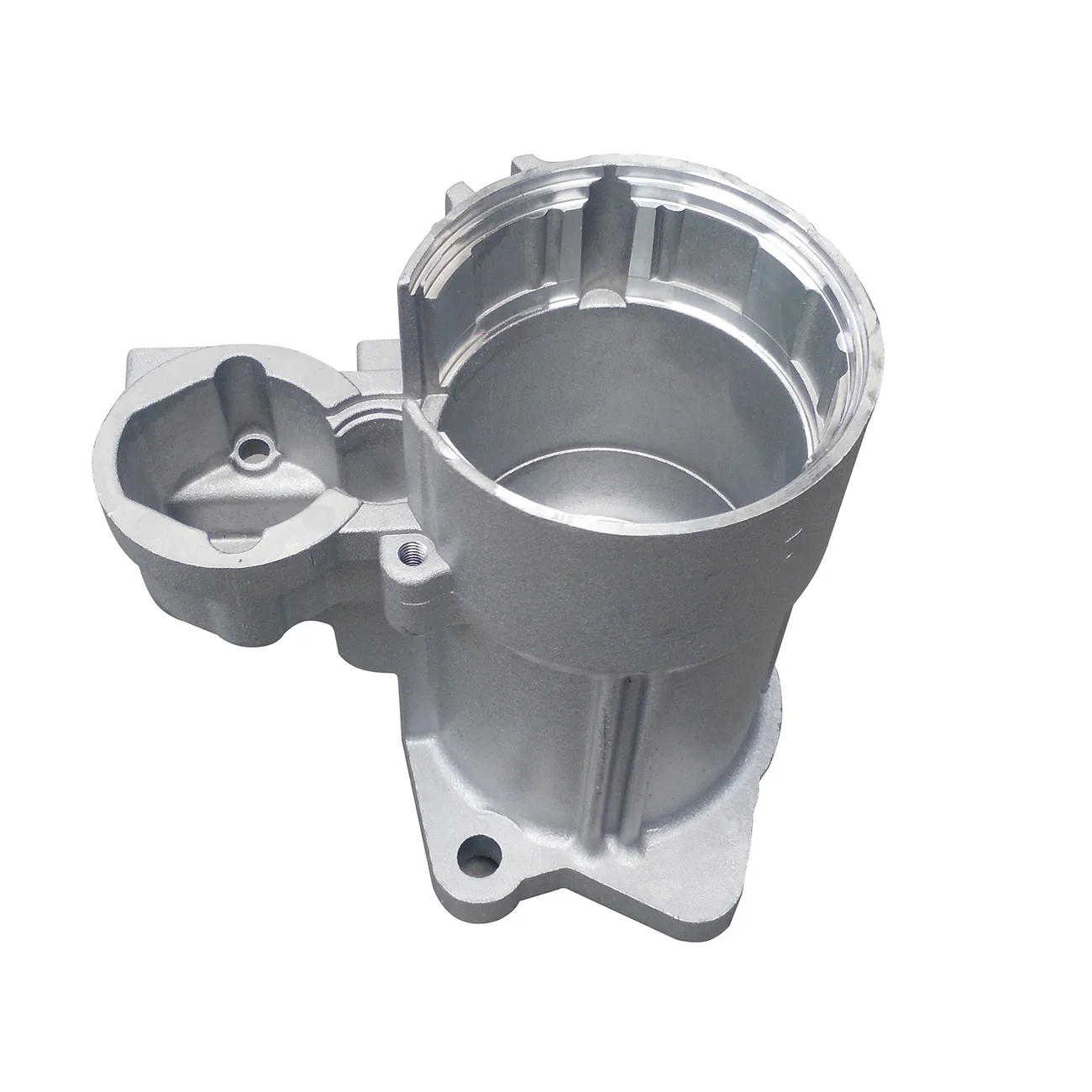
Another significant area of application for WC9 steel is in various types of fittings and flanges, which require a combination of strength, ductility, and stress resistance. As industries continue to innovate and push operational limits, materials like WC9 steel are essential for developing components that can handle increasingly demanding environments.
Benefits of Using WC9 Steel
The benefits of using WC9 steel extend beyond its innate mechanical properties. Its durability translates to longer service life for components, which can significantly reduce maintenance costs and downtime in industrial operations. Furthermore, the high-temperature resistance minimizes the likelihood of catastrophic failures that could arise from material degradation.
Moreover, WC9 steel is relatively easy to fabricate, which facilitates its use in various manufacturing processes. Whether machining, welding, or shaping, fabricators can work with WC9 to create complex components that meet specific operational requirements without compromising on strength or reliability.
Conclusion
In conclusion, WC9 steel is a remarkable material that plays a crucial role in many industrial applications, particularly those involving high temperatures and pressures. Its unique material properties, derived from careful composition and processing, make it a preferred choice for manufacturers across different sectors. As technology advances and new challenges arise in engineering and manufacturing, the demand for reliable materials like WC9 steel will undoubtedly continue to grow, ensuring its place at the forefront of industrial innovation.
Whether you're involved in power generation, oil and gas, or any sector requiring robust materials, understanding the qualities of WC9 steel will empower you to make informed decisions about your material choices and future project designs.
-
Choosing an Engine Storage Crate Cover for Material and EnvironmentNewsNov.23,2026
-
Cylinder Head Chamber Buyers: Check the Casting Specification FirstNewsNov.17,2026
-
How Impeller Casting Manufacturers Match Material, Process and EquipmentNewsNov.15,2026
-
Valve body vs. intake air chamber: Which casting fits your assembly?NewsNov.02,2026
-
Air Intake Chamber FAQ: Specifications, Ordering and Support QuestionsNewsOct.28,2026
-
Motorcycle Accessories FAQ: Specifications, Ordering and Support QuestionsNewsOct.24,2026










