English

Mobile:+86-311-8081-2683
Email:info@ydcastings.com
English
wax pattern casting
Wax Pattern Casting A Comprehensive Guide
Wax pattern casting, also known as lost-wax casting, is a versatile and ancient technique used in metalworking and sculpture. This method has been employed for thousands of years, dating back to ancient civilizations such as the Egyptians and the Greeks. In modern times, it is widely used in various industries, including jewelry making, art casting, and manufacturing complex metal components. This article will delve into the fundamentals of wax pattern casting, its process, advantages, and applications.
The Process of Wax Pattern Casting
The wax pattern casting process begins with creating a precise model of the desired object using wax. This model, often referred to as a wax pattern, can be crafted by hand or produced using advanced techniques such as 3D printing. Once the wax pattern is completed, it is coated with a refractory material to form a shell. The shell is typically made of a mixture of silica and various binders, which provides the necessary heat resistance for the casting process.
After the shell is formed, it undergoes heating in a kiln. This heating process causes the wax to melt and drain out, leaving behind a hollow mold that accurately reflects the details of the original wax pattern. Once the wax is removed, molten metal is poured into the mold. The choice of metal can vary based on the requirements of the final product, with common options including bronze, aluminum, and various alloys.
After the metal cools and solidifies, the shell is broken away to reveal the cast object. The final step involves finishing processes such as grinding, polishing, and painting to enhance the appearance of the piece and ensure that it meets the desired specifications.
Advantages of Wax Pattern Casting
One of the primary advantages of wax pattern casting is its ability to produce highly detailed and intricate designs. The method is particularly suitable for complex shapes that would be challenging or impossible to create with traditional casting techniques. Furthermore, wax pattern casting offers excellent dimensional accuracy, making it ideal for applications that require tight tolerances.
wax pattern casting
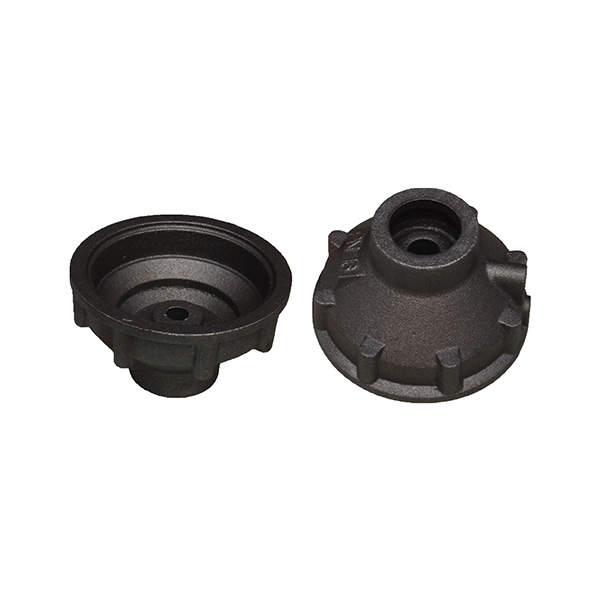
Another benefit of this technique is its versatility. It can be used to produce both small and large items, making it suitable for various industries, including automotive, aerospace, and art. The method is also time-efficient; once the initial wax pattern is created, multiple copies can be produced relatively quickly, reducing overall production time.
Moreover, the lost-wax casting process is environmentally friendly compared to other casting methods. Traditional techniques often involve the use of harmful materials and excessive waste, while wax pattern casting minimizes both by allowing the wax to be reused in subsequent patterns.
Applications of Wax Pattern Casting
Wax pattern casting has a wide range of applications across multiple fields. In the jewelry industry, artisans use this method to create stunning pieces that showcase intricate designs and craftsmanship. The ability to replicate fine details makes it a favored choice for custom jewelry.
In the realm of industrial manufacturing, wax pattern casting is widely used to create components for several sectors, including aerospace and automotive. Components such as turbine blades, engine parts, and intricate machinery are routinely produced using this technique due to its precision and quality.
Additionally, artists continue to utilize wax pattern casting for sculptures and artistic projects, allowing them to create unique pieces that push the boundaries of traditional sculpting methods. This intersection of art and technology highlights the enduring relevance of wax pattern casting in contemporary society.
Conclusion
In conclusion, wax pattern casting is a remarkable and adaptable technique that has stood the test of time. Its ability to produce intricate designs with exceptional accuracy makes it invaluable in various industries, from jewelry to aerospace. As technology continues to advance, so too does the potential for wax pattern casting, ensuring its relevance for years to come. Whether for artistic expression or industrial manufacturing, the lost-wax casting process remains an essential method in the world of metalworking.
-
Choosing an Engine Storage Crate Cover for Material and EnvironmentNewsNov.23,2026
-
Cylinder Head Chamber Buyers: Check the Casting Specification FirstNewsNov.17,2026
-
How Impeller Casting Manufacturers Match Material, Process and EquipmentNewsNov.15,2026
-
Valve body vs. intake air chamber: Which casting fits your assembly?NewsNov.02,2026
-
Air Intake Chamber FAQ: Specifications, Ordering and Support QuestionsNewsOct.28,2026
-
Motorcycle Accessories FAQ: Specifications, Ordering and Support QuestionsNewsOct.24,2026










